

Temu, the bargain shopping app with tens of millions of U.S. users, has settled the deceptive-practices lawsuit Texas filed against it in February. On October 16, 2026, Texas Attorney General Ken Paxton announced an Agreed Final Judgment and Permanent Injunction with Temu’s operator, Whaleco Inc., and its parent, PDD Holdings Inc., in Collin County district court (Cause No. 471-01114-2026).
The settlement includes a $3 million payment to the State of Texas. The bigger story for shoppers is the list of things Temu now has to do: change how it stores Texans’ data, test the products it sells for toxic materials, pull recalled items quickly, and give full refunds when a product it sold turns out to be harmful.
What Texas claimed
The State sued under the Texas Deceptive Trade Practices Act (DTPA) on February 19, 2026. According to the judgment’s summary of the petition, Texas alleged that Temu:
- misrepresented what its app does, what permissions it asks for, and what data it collects and shares
- misrepresented promotions, “free” items, coupons, games, referral rewards and strikethrough “discount” prices
- misrepresented the quality, safety or authenticity of goods, including through customer reviews and ratings
- failed to reasonably protect consumers’ personal information; and
- failed to disclose that Texans’ data could be furnished to the government of the People’s Republic of China or other third parties.
Temu denied all of the allegations, and the judgment says it is not an admission of wrongdoing. No court decided whether Texas’s claims were true.
What Temu agreed to do
The judgment runs for four years. Most deadlines are counted from the date the judge signs it. (The copy the Attorney General posted is signed by the parties, with the State’s signature dated October 15, 2026.)
- Product testing. An independent firm must test a cross-section of products commonly bought by Texans every year for lead, PFAS (“forever chemicals”), phthalates, formaldehyde and heavy metals. A product that exceeds a federal safety standard becomes a “Confirmed Harmful Product.”
- Refunds and notice. For a Confirmed Harmful Product, Temu must remove the listing within 2 business days, ban the seller and its affiliated stores within 5 business days, notify every Texas consumer who bought it, and give each of them a full refund.
- Recalls. Temu must monitor federal and Texas recall and safety alerts and pull recalled or noncompliant products within 2 business days.
- Seller certification. Within 90 days, sellers of products covered by Consumer Product Safety Commission rules must upload compliance certificates and independent lab test results before listing them for Texans.
- Data storage. Within 180 days, Texans’ personal data must be stored on U.S. servers owned and controlled by an American company. People and companies based in China are barred from accessing identifiable data except in limited cases, such as filling orders, fighting fraud, or with the consumer’s specific consent.
- App security audits. An independent firm must test the Temu app every year for malware, spyware or hidden data collection. A serious failure costs Temu $8 million per failed audit.
- Easier deletion. Temu must add a one-click link to its account-deletion page in its privacy policy and delete data from Texas accounts that have been inactive for 24 months, with some exceptions.
- Notice. Within 30 days, Temu must post a notice of the settlement on its platform for Texas consumers.
The independent reports are due each September 1. Because the first one must be at least six months after the judgment is signed, the first product-testing and app-security reports will likely not come until September 2027.
What the settlement doesn’t do
There’s no consumer compensation fund and no claim form. The $3 million goes to the State as civil penalties, fees and costs. The refund requirement applies only going forward, to products that fail the annual testing, and only to purchasers in Texas (Temu identifies them by IP address or default delivery address).
The judgment also says it doesn’t resolve any claim by a private person or another government agency, and that it creates no new rights for anyone who isn’t a party. In other words, it doesn’t give you a new lawsuit, but it doesn’t take away any rights you already had.
Why it matters beyond Texas
Cheap online marketplaces sell huge volumes of goods from third-party sellers, many shipped directly from overseas. When something goes wrong, such as a toxic children’s product or a misleading “90% off” price, it can be hard to know who’s responsible. This settlement is one of the first to put specific, measurable product-safety and data obligations on a marketplace itself, with dollar penalties attached. It comes days after Texas sued Gerber and Nestlé over heavy metals in baby food, which shows the State is using the DTPA aggressively on product safety.
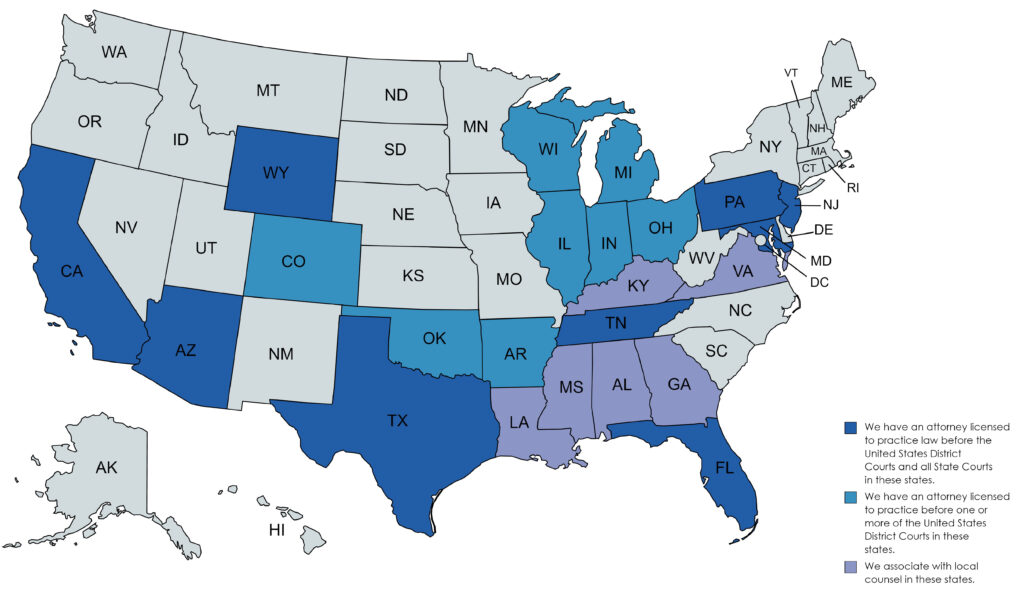
Shoppers in other states aren’t covered by this judgment. Still, the same kinds of practices, such as fake discounts, misleading reviews and undisclosed data sharing, can violate federal law and the consumer protection laws in every state where we practice.
What this means for you
- Know your Texas privacy rights. The Texas Data Privacy and Security Act lets you ask a company that holds your data to confirm what it has, correct it, delete it, give you a copy, and opt out of targeted advertising and the sale of your data. Only the Attorney General can enforce that law. It has no private lawsuit, so file a complaint if a company ignores your request.
- Check recalls before you buy, especially for kids. Look up children’s products, jewelry, cosmetics and electrical items on CPSC’s recall page. If a product hurt someone or seems unsafe, report it at SaferProducts.gov.
- Keep your records. Save order confirmations, product listings and screenshots of the “discount” or safety claims. If a refund notice arrives later, or you need to make a claim, those records matter.
- Watch for fake “Temu refund” messages. Settlements attract scammers. A real refund under this judgment would come from Temu to the account you used to buy the product. It won’t come from a stranger who asks for a fee or your bank login.
- You may still have your own claim. Under the DTPA, Texas consumers harmed by a false or misleading practice can sue for economic damages. If the violation was knowing, a court can award up to three times those damages, and a winning consumer recovers attorney’s fees. Most claims require 60 days’ written notice before you sue, and the general deadline is two years.
Ginsburg Law Group represents consumers in deceptive-practices, product and privacy disputes, and we defend people being sued over consumer debts. If you think an online seller misled you, sold you something dangerous, or misused your data, contact us for a review.
This article is for general informational purposes only and is not legal advice. The Temu judgment applies only to Texas consumers and resolves allegations that Temu denies. Laws vary by state. Consult a licensed attorney about your specific situation.
Authoritative Sources
- Texas Attorney General: Attorney General Paxton Secures First-of-Its-Kind Settlement with Temu (Oct. 16, 2026)
- Agreed Final Judgment and Permanent Injunction, State of Texas v. PDD Holdings Inc. and Whaleco Inc. d/b/a Temu, No. 471-01114-2026 (Collin County)
- Texas Attorney General: lawsuit announcement (Feb. 19, 2026)
- Texas Data Privacy and Security Act, Tex. Bus. & Com. Code ch. 541
- CPSC Recalls and Product Safety Warnings
- SaferProducts.gov (report an unsafe product)
- Texas Attorney General: File a Consumer Complaint