
If you sell on Amazon and your advertising costs jumped without explanation, newly unsealed court filings may explain why. The Federal Trade Commission (FTC) and 22 states say Amazon secretly inflated the prices it charged advertisers, then blamed “competition” when sellers asked why.
What happened
In August 2026, the FTC and 22 states sued Amazon in federal court in the Western District of Washington over its search advertising auctions. On November 5, 2026, the FTC announced that the plaintiffs had filed an updated version of the complaint that makes previously redacted details public.
Amazon says ad prices are set by a “second-price” auction, where the winner pays just enough to beat the next-highest bidder. The complaint alleges Amazon secretly overrode the auction results and charged more. According to the FTC’s summary of the unredacted complaint:
- Amazon raised advertising prices by as much as 50% above auction results on ordinary days and as much as 250% on major shopping days like Prime Day and Black Friday.
- During the 2021 holiday season, average cost per click rose 20%, and some advertisers saw increases of more than 200%.
- In the 2022 holiday season, the surcharges raised Amazon’s worldwide revenue by $87 million.
- One large food and beverage advertiser saw price increases of more than 100% on Prime Day 2023.
- When advertisers asked why costs went up, Amazon allegedly attributed the increases to more competition rather than its own changes.
The complaint alleges the practices affected Amazon’s Sponsored Products, Sponsored Brands and Sponsored Display ads, and estimates that Amazon took more than $20 billion from about 1.2 million advertising customers.
These are allegations. A court has not decided the case, and Amazon has the opportunity to defend itself. The update does not announce any refund or settlement.
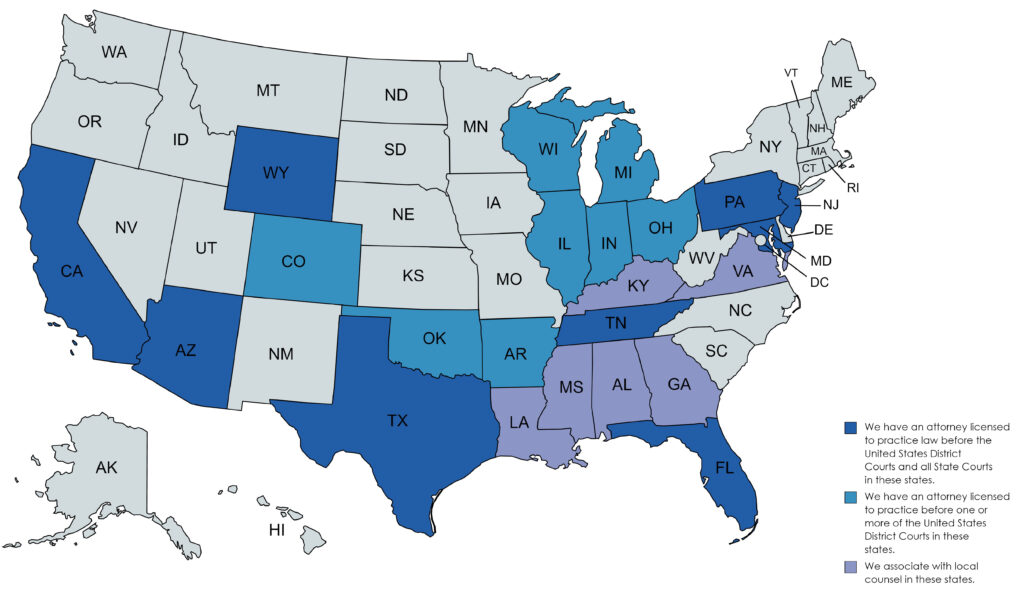
States joining the case include Pennsylvania, New Jersey, Maryland, California, Florida and Arizona, along with Alaska, Colorado, Idaho, Illinois, Indiana, Iowa, Kentucky, Louisiana, Nebraska, New York, North Carolina, Oklahoma, Rhode Island, South Carolina, Vermont and Washington.
Why it matters
Advertising is a major cost for many small businesses that sell on Amazon. If ad prices were secretly inflated, sellers may have paid far more than a real auction would have charged, and some of that cost may have been passed on to shoppers through higher prices.
What sellers can do
- Preserve your records. Download and save your ad campaign reports, bid and cost-per-click history, invoices and billing statements, especially around Prime Day and the holidays.
- Save your communications. Keep emails and chat logs with Amazon account managers, particularly any explanation of rising ad costs.
- Don’t sign anything blindly. Read any future settlement notice, release or arbitration terms carefully before agreeing.
- Follow the case. Any remedy will depend on how the lawsuit develops.
What shoppers should know
This case is about what Amazon charged advertisers, not shoppers directly. No consumer refund has been announced. Be wary of emails or texts claiming you’re owed money from an “Amazon settlement.” Scammers often exploit news like this.
Talk to Ginsburg Law Group
If you’re a small business owner or consumer who thinks you were misled about what you were paying, Ginsburg Law Group can help you understand your rights. Contact us for a free review of your situation.
This post is for general information and isn’t legal advice. Reading it doesn’t create an attorney-client relationship.