
When a bank reports inaccurate information, a debt collector uses unlawful collection practices, or a mortgage servicer mishandles payments, consumers often assume that a federal agency will step in.
One of the most important agencies responsible for overseeing consumer financial products and services is the Consumer Financial Protection Bureau (CFPB).
But what happens when federal enforcement activity slows significantly?
Reports of a prolonged absence of new public CFPB enforcement actions raise an important question: What can consumers do when they believe a financial company has violated the law?
The answer is that consumers do not necessarily have to wait for a government agency to act.
What Does the CFPB Do?
The CFPB was established following the financial crisis to help protect consumers in financial markets.
Its responsibilities include oversight of various consumer financial products and services, including:
- Credit cards and consumer loans.
- Mortgage lending and servicing.
- Debt collection.
- Credit reporting.
- Certain banking and payment services.
The CFPB has historically used investigations, enforcement actions, rulemaking, supervision, and consumer complaints to address potential violations.
Does Reduced Enforcement Mean Consumer Protection Laws No Longer Apply?
No.
Federal consumer protection statutes remain legally significant regardless of how frequently a particular agency announces enforcement actions.
For example, the Fair Debt Collection Practices Act continues to regulate covered debt collectors.
The Fair Credit Reporting Act continues to impose obligations concerning credit reporting accuracy and dispute investigations.
The Truth in Lending Act continues to provide protections involving covered consumer credit transactions.
The Telephone Consumer Protection Act continues to regulate certain unwanted calls and messages.
A reduction in agency enforcement does not automatically eliminate these statutory obligations.
Can Consumers Bring Their Own Lawsuits?
In some circumstances, yes.
Several federal consumer protection laws provide private rights of action allowing individuals to pursue claims against companies that violate applicable requirements.
Depending on the law and circumstances, available remedies may include actual damages, statutory damages, attorney’s fees, and other relief.
However, not every regulatory violation creates a private lawsuit, and consumers must satisfy the applicable legal requirements.
What About State Attorneys General?
State attorneys general and financial regulators also play important roles in consumer protection.
State laws may provide additional remedies for deceptive business practices, improper debt collection, mortgage servicing violations, and other financial misconduct.
For example, Pennsylvania has the Unfair Trade Practices and Consumer Protection Law, while other states maintain their own consumer protection statutes.
The protections and remedies vary by jurisdiction.
What Can You Do If a Financial Company Treats You Unfairly?
Document the problem as soon as possible.
Save account statements, credit reports, collection letters, payment confirmations, and communications with the company.
Submit a written dispute or complaint when appropriate.
Consumers may also submit complaints through the CFPB’s website at consumerfinance.gov/complaint, subject to the Bureau’s current complaint-handling procedures.
State regulators and attorneys general may offer additional complaint channels.
Remember that filing a regulatory complaint does not necessarily pause a lawsuit deadline or preserve every private legal claim.
Consumer Rights Do Not Depend Entirely on Government Enforcement
Federal agencies are an important part of the consumer protection system, but they are not the only source of accountability.
Consumers may still have enforceable rights under federal and state law.
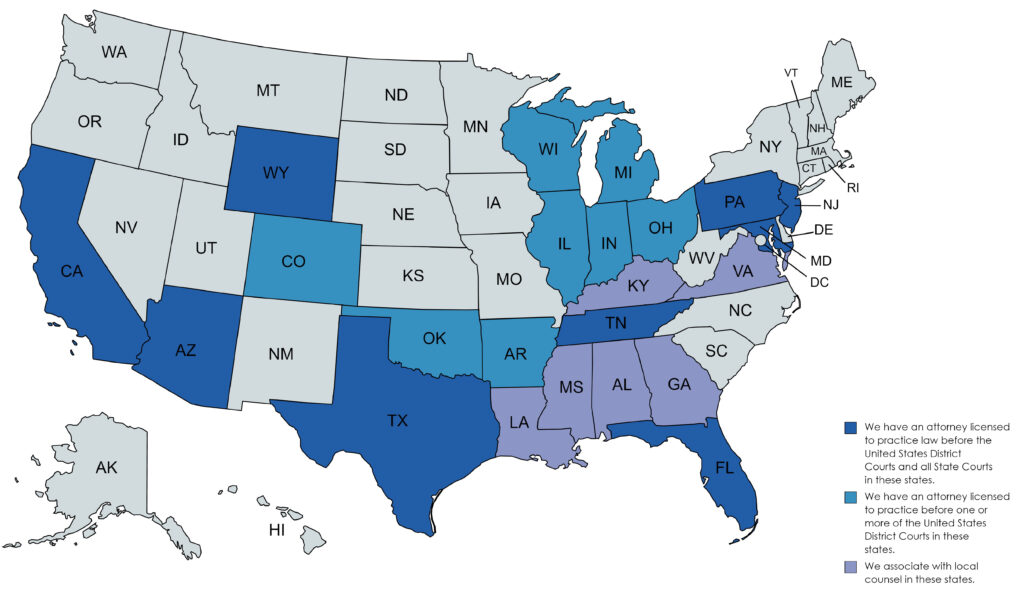
Ginsburg Law Group, P.C. represents consumers in matters involving debt collection, credit reporting, unwanted telemarketing, and other consumer protection issues.
If you believe a financial company has violated your rights, do not assume that reduced federal enforcement means you have no options.