
You walk into a store, see an item advertised for $4.99, and decide to purchase it.
But when you reach the register, the item rings up at $5.99.
It may seem like a small difference. Yet when the same thing happens repeatedly to thousands of shoppers, the financial impact can be enormous.
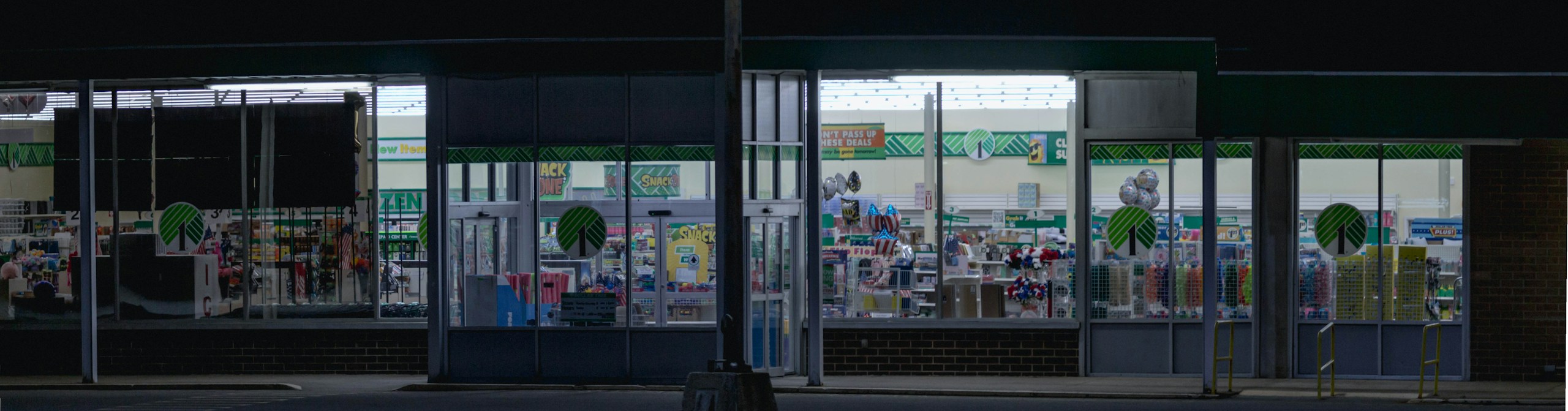
In November 2026, the Federal Trade Commission and 17 states announced a proposed $63 million settlement with Family Dollar over allegations that customers were routinely charged more than advertised prices.
The case raises an important question for consumers everywhere: What can you do when the price at checkout does not match the price on the shelf?
What Was Family Dollar Accused of Doing?
According to the FTC and participating states, Family Dollar allegedly charged customers prices higher than those displayed on store shelves, product tags, advertisements, and digital platforms.
Regulators also alleged problems involving promotional discounts and mobile app coupons.
The complaint described widespread pricing inaccuracies and alleged that the company failed to correct problems despite repeated warnings, complaints, and regulatory actions.
Family Dollar agreed to the proposed settlement without admitting or denying wrongdoing.
How Much Money Is Involved?
The proposed settlement includes approximately $63 million in relief, including:
- $40 million for a consumer redress fund.
- $20 million for a customer discount program.
- More than $3 million in payments to participating states.
The proposed order also requires measures designed to improve pricing accuracy, including monitoring, employee training, and independent assessments.
The agreement is subject to court approval.
Can Consumers Receive Money?
Potentially.
The proposed settlement establishes a fund intended to compensate eligible customers.
According to public reporting, the proposed eligibility period includes purchases made between January 1, 2023, and October 1, 2026.
However, eligibility and payment procedures depend on the final settlement terms and administration.
Consumers should watch for official notices and avoid websites or messages that request payment to obtain a refund.
What If a Store Charges More Than the Advertised Price?
Consumers should check their receipts before leaving the store.
If the price is incorrect, ask the cashier or manager to correct it.
If necessary, photograph the shelf label or advertisement, preserve your receipt, and document the discrepancy.
If the business refuses to address the issue, consider submitting a complaint to your state attorney general or consumer protection agency.
You can also report suspected deceptive practices to the FTC at ReportFraud.ftc.gov.
Are Register Overcharges Illegal?
Deceptive or misleading pricing practices may violate federal or state consumer protection laws.
However, the legal consequences depend on the facts and the applicable jurisdiction.
An isolated pricing mistake is not necessarily equivalent to a systematic deceptive pricing practice.
Some states have additional laws concerning advertised prices, scanner accuracy, or consumer remedies.
Why Small Overcharges Matter
For families carefully managing grocery and household expenses, even a few dollars can make a difference.
Consumers should be able to make purchasing decisions based on accurate prices.
At Ginsburg Law Group, P.C., we help consumers evaluate deceptive business practices and potential violations of consumer protection laws.
If you believe a business has repeatedly misrepresented prices or charged you more than advertised, save your receipts and other evidence.