

A mistake on your credit report can cost you a loan, an apartment or a job. This year, more consumers are going to court over those mistakes. At the same time, the federal agency that oversees credit reporting is doing less. Here’s what that means for you.
What happened
Two reports released in late October 2026 tell the story.
First, litigation data from WebRecon, reported on October 27, shows a sharp rise in consumer lawsuits. Through September 2026, lawsuits under the Fair Credit Reporting Act (FCRA) were up 43.8% compared with the same period in 2025. That’s 8,329 FCRA cases so far this year. Lawsuits under the Fair Debt Collection Practices Act (FDCPA) rose 7.2%, and TCPA robocall suits rose 13.4%. Consumer complaints to the Consumer Financial Protection Bureau (CFPB) tracked by WebRecon were up 14.2%. (Earlier this fall, other data showed these filings at a ten-year high. See Credit Report and Robocall Lawsuits Hit a Ten-Year High.)
Second, the CFPB published its semi-annual report to Congress on October 27, covering January through June 2026. It shows the agency has scaled back. According to the report:
- The CFPB cut the number of scheduled examinations of companies by roughly 50%.
- It closed about 40% of its pending investigations.
- It shifted its supervision focus toward banks and other depository institutions and away from nonbank companies.
The CFPB also received about 8.27 million consumer complaints from July 2025 through June 2026. The report says violations of the FDCPA and the FCRA remain among the agency’s enforcement priorities. It is still litigating a 2025 lawsuit accusing Experian, one of the three major credit bureaus, of failing to properly investigate consumer disputes and fix inaccurate information. That case remains pending.
The report also noted a change that affects consumers directly. Since February 2026, people filing a credit reporting complaint with the CFPB must confirm that they first disputed the problem with the credit bureau. They must also confirm that 45 days have passed or the dispute is no longer pending.
Why it matters
The FCRA requires credit bureaus to follow reasonable procedures to keep reports accurate. It also requires bureaus and the companies that report information to them to investigate disputes. If they don’t, the law lets consumers sue.
With less federal oversight, consumers may need to rely more on their own rights under the law. The rise in FCRA lawsuits suggests many people are doing just that.
The new CFPB complaint rule also matters. If you want to complain to the CFPB about your credit report, you now need to dispute it with the bureau first. That makes your own dispute, and your records of it, more important than ever.
What you can do
- Check your credit reports. You can get free reports from Equifax, Experian and TransUnion at AnnualCreditReport.com.
- Look for common errors. These include accounts that aren’t yours, debts listed twice, paid debts shown as unpaid, wrong balances, old negative items that should have dropped off, and mixed-up files with someone who has a similar name.
- Dispute errors in writing. Send a dispute to each credit bureau that shows the error. Explain what’s wrong and include copies of documents that support you. Consider certified mail so you have proof of delivery.
- Dispute with the company that reported it, too. You can also send a dispute directly to the lender or collector that supplied the information.
- Keep everything. Save copies of your disputes, mailing receipts, the bureaus’ responses and any denial letters you got because of your credit.
- Watch the calendar. Bureaus generally must investigate within 30 days. Note when you sent your dispute and when you hear back.
For a step-by-step walkthrough, see our guide: Credit Report Errors (FCRA): A Step-by-Step Plan to Dispute Mistakes.
When to get help
Consider talking to a consumer attorney if:
- You disputed an error and the bureau “verified” it anyway, without fixing it.
- The error came back after it was removed.
- You were denied credit, housing or a job, or paid a higher rate, because of an error.
- A debt collector is reporting a debt you don’t owe or have already paid.
The FCRA allows consumers to recover damages and attorney’s fees in certain cases. That means many people can get legal help without paying out of pocket. An attorney can review your reports and dispute history and explain your options.
Talk to Ginsburg Law Group
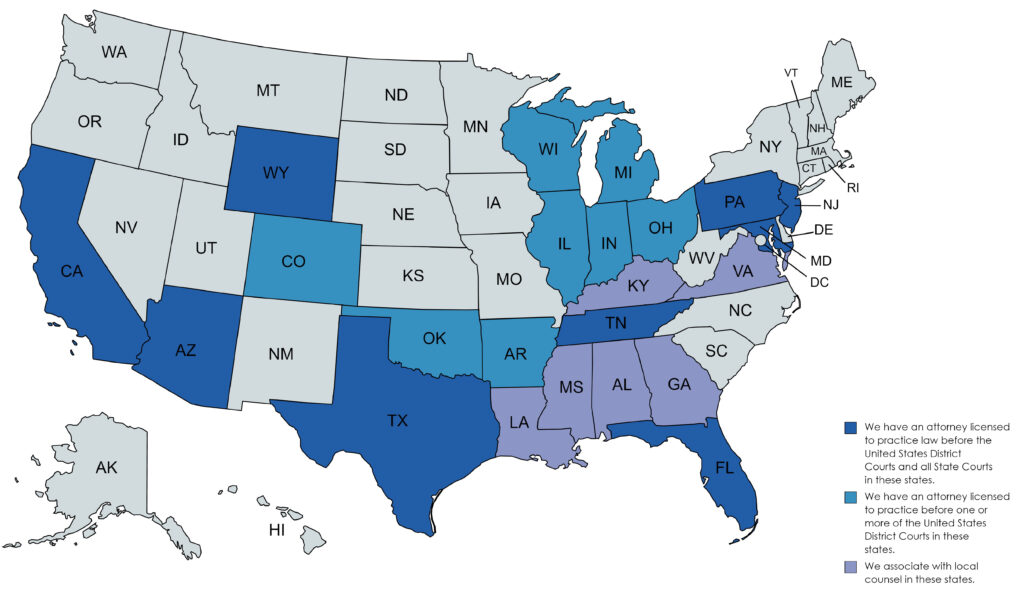
If a credit report error is holding you back, Ginsburg Law Group can help. We represent consumers nationwide in credit reporting and debt collection cases. Reach out for a free review of your situation.
This post is for general information and isn’t legal advice. Reading it doesn’t create an attorney-client relationship.
Sources
- Semi-Annual Report, January 2026 – June 2026, Consumer Financial Protection Bureau (Oct. 27, 2026)
- WebRecon September 2026 litigation statistics, Receivables Info (Oct. 27, 2026)