

If you ever bought a couch, a mattress, a set of tires or a phone and paid for it through Snap Finance’s “lease-to-own” option, a settlement announced today may erase what you still owe. On October 21, 2026, a coalition of 17 state attorneys general, led by Iowa and Nebraska, announced a settlement with Snap Finance worth nearly $664 million.
Almost all of that money takes the form of lease forgiveness. Under the signed agreement, Snap will cancel $662,102,518 in balances on 303,223 consumer accounts and let those customers keep the merchandise without making any more payments. Snap will also pay $2.75 million to the states. Texas has by far the largest share.
What the states said Snap did
Snap doesn’t run its own stores. It partners with retailers, buys the item the customer picks, and then leases it back to the customer until the full lease is paid. According to the attorneys general:
- Some customers believed they were signing up for a short payoff window of 100 days or less but ended up in longer, more expensive contracts.
- Customers couldn’t view the full terms of their contracts before signing.
- Customers were told that leasing and making on-time payments could raise their credit scores, which the states say wasn’t the case.
- Customers ran into serious communication problems when they tried to return products and end their leases.
- The states also looked at possible improper collection practices on unpaid accounts.
Snap cooperated with the investigation and signed what’s called an Assurance of Voluntary Compliance. As is typical in these agreements, Snap did not admit any wrongdoing or any violation of law.
Who gets lease forgiveness
The relief isn’t open to every Snap customer. Under Section X of the agreement, forgiveness goes to consumers who:
- signed a Snap lease-to-own agreement in one of the 17 participating states
- signed it between 2017 and 2022
- have an account Snap had marked as “charged off”; and
- have an account that was still in Snap’s control in November 2025.
The state releases describe the cancellation as automatic. There’s no claim form, and Snap also gives up ownership of the merchandise to those customers. Here’s how the forgiveness breaks down in the states where our clients most often live:
- Texas: 148,295 accounts, $344,486,039
- Florida: 62,753 accounts, $135,643,677
- Wyoming: 1,619 accounts, $2,745,697
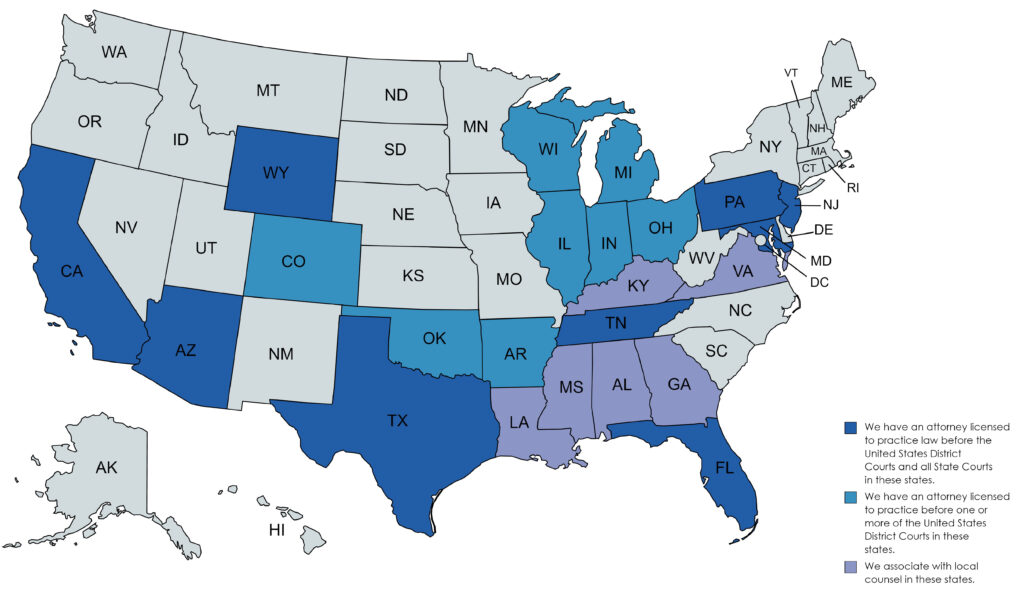
The other participating states are Arkansas, Georgia, Idaho, Iowa, Kansas, Kentucky, Louisiana, Mississippi, Missouri, Nebraska, North Dakota, Oklahoma, Utah and West Virginia. Pennsylvania, New Jersey, Maryland, California, Tennessee and Arizona aren’t part of this settlement. Consumers in those states get no forgiveness from it, though their own state laws and attorneys general still apply.
What changes going forward
Snap has 180 days to put these business-practice changes in place in the participating states:
- No “same as cash” spin. Snap can’t use slogans like “cash payoff,” “same as cash” or “no additional fees required” in a way that implies you’ll pay only the cash price.
- Total cost up front. Before signing, the total cost of the full lease term must be shown at least as prominently as any cheaper early-payoff price.
- No “loan” confusion. Snap can’t call its leases a loan or credit, and ads that use the word “financing” must also say “lease” or “lease-to-own” close by.
- No credit-score promises. Snap can’t claim its leases will help raise your credit rating.
- Real right to cancel. Snap has to clearly disclose your right to end the lease, can’t interfere with it, and must offer practical ways to return the item. Payments pause while a termination request is processed.
- Repairs and no empty threats. Snap must handle repairs or replacements itself without charging fees, and it can’t threaten to seize merchandise if repossession isn’t its actual practice.
Snap must also file compliance reports for three years.
Why this matters if you’re being chased for an old Snap balance
Lease-to-own accounts that go unpaid often end up with collectors and, sometimes, in court. Pay attention to the “still in Snap’s control in November 2025” condition. If Snap had already sold your account to a debt buyer or handed it off elsewhere before then, it may not be covered by this forgiveness. That doesn’t mean you have to pay whatever a collector demands. A debt buyer still has to prove it owns the account and that the amount is correct, and older debts can run into statute-of-limitations problems.
The settlement also doesn’t end private lawsuits. The attorneys general’s release specifically leaves out consumers’ own claims, individual or class, under state consumer protection and rental-purchase laws. Every participating state has a rental-purchase statute listed in the agreement, including Texas (Bus. & Com. Code ch. 92) and Florida (Fla. Stat. § 559.9231 and following).
What to do now
- Watch for confirmation. If you had a charged-off Snap account from 2017 to 2022 in a participating state, look for word from Snap that your balance has been canceled. You can also contact your state attorney general’s consumer protection office.
- Stop paying a covered balance. If your account qualifies, you shouldn’t be asked to pay it. Keep records of any payment demands you get after today.
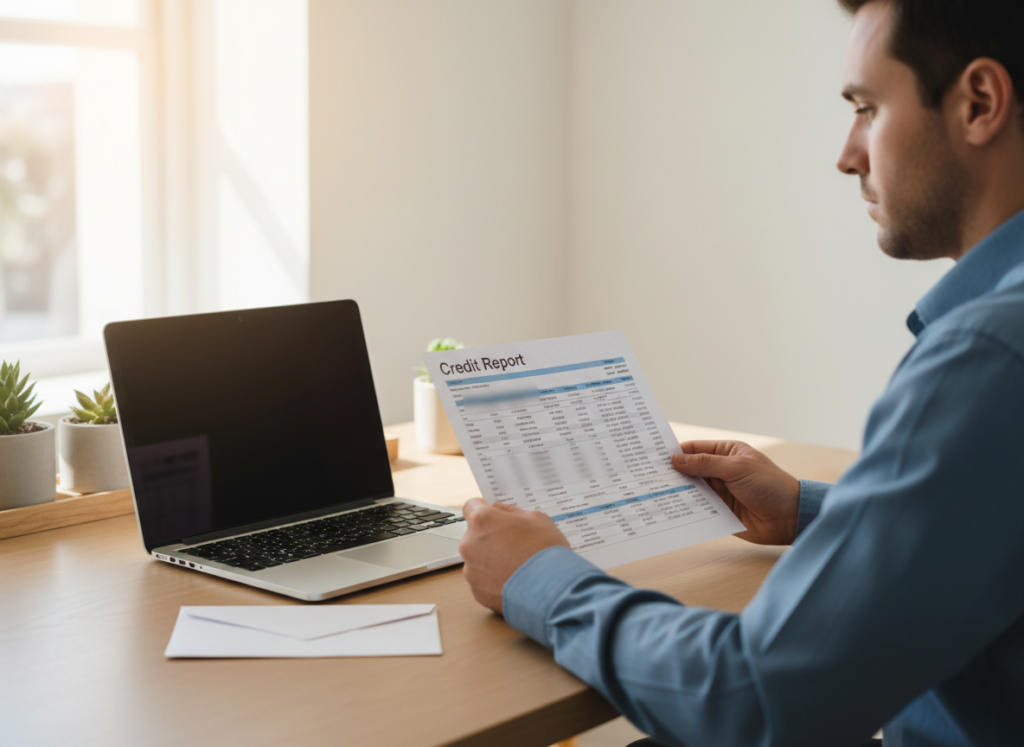
- Check your credit reports. The agreement doesn’t spell out how Snap will update credit reporting. Pull your free reports, and if a forgiven Snap account still shows a balance due, dispute it. Under the Fair Credit Reporting Act, the credit bureau generally has to investigate within 30 days.
- If a debt buyer or collector contacts you about a Snap account, ask for proof of ownership and the amount, and don’t admit the debt or agree to pay before you understand your rights.
- If you’ve been sued, don’t ignore the papers. Deadlines to respond are short. See our guide to how many days you have to respond in PA, NJ, MD, CA, TX, FL, AZ and TN.
- Before you sign a new lease-to-own deal, compare the total cost of the full term with the item’s cash price. The difference is often far larger than shoppers expect.
Ginsburg Law Group helps consumers fight collection lawsuits, fix inaccurate credit reports and hold companies accountable under consumer protection laws. If you’re being pursued over a Snap Finance or other lease-to-own balance, or a forgiven account is still hurting your credit, contact us for a review.
This article is for general informational purposes only and is not legal advice. Eligibility for lease forgiveness is set by the settlement agreement and Snap’s records. Laws vary by state. Consult a licensed attorney about your specific situation.
Authoritative Sources
- Assurance of Voluntary Compliance, Participating States and Snap Finance (Oct. 21, 2026)
- Iowa Attorney General: Attorney General Brenna Bird Leads Coalition in $664M Settlement with Snap Finance (Oct. 21, 2026)
- Nebraska Attorney General: Attorney General Hilgers Leads $664 Million Multistate Settlement Against Snap Finance (Oct. 21, 2026)
- West Virginia Attorney General: McCuskey Joins Coalition in $664M Settlement with Snap Finance (Oct. 21, 2026)
- 15 U.S.C. § 1681i, Procedure in case of disputed accuracy (Cornell LII)