Americans Owe More Than Ever—But the Headlines Don’t Tell the Whole Story
$5.15 Trillion Is a Huge Number—But What Does It Actually Mean?
Every few months, economists release reports showing just how much debt Americans owe.
The latest numbers are staggering.
According to the Federal Reserve’s Consumer Credit Report, total outstanding consumer credit now exceeds $5.15 trillion.
That’s more than five trillion dollars in debt carried by American consumers—and it doesn’t even include mortgage debt.
When most people hear a number like that, it’s difficult to put into perspective.
Five trillion dollars is so large that it almost becomes meaningless.
But behind that number are millions of real families making monthly payments on:
- Credit cards
- Auto loans
- Student loans
- Personal loans
- Retail financing
- Medical financing
- Other installment debt
Some borrowers are managing those payments comfortably.
Others are barely keeping up.
Still others have already fallen behind and are receiving collection calls or facing lawsuits.
The important takeaway isn’t simply that Americans owe more than $5.15 trillion.
It’s understanding what kinds of debt are increasing, why they’re growing, and what consumers should do before financial problems become legal problems.
What Is Consumer Credit?
Consumer credit generally refers to money borrowed by individuals for personal, family, or household purposes.
Unlike mortgages—which are reported separately—consumer credit typically includes:
- Credit cards
- Auto loans
- Student loans
- Personal loans
- Retail financing
- Certain lines of credit
These debts finance everything from education and transportation to everyday living expenses.
Breaking Down America’s Consumer Debt
While the exact amounts change from month to month, several categories account for most outstanding consumer debt.
Credit Card Debt
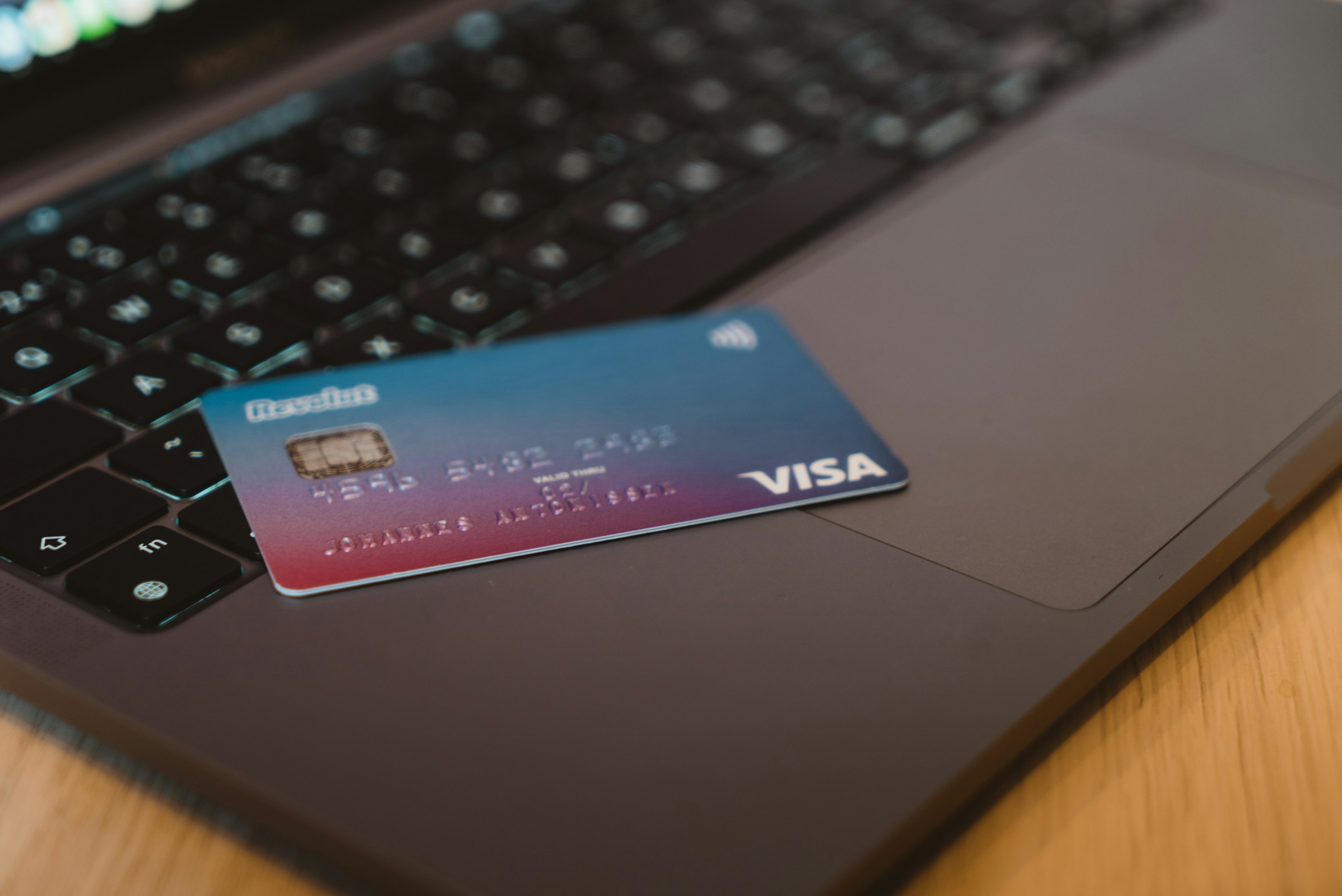
Credit cards remain one of the most common—and most expensive—forms of borrowing.
Recent years have seen historically high interest rates, with many consumers paying APRs exceeding 20%.
Although revolving credit recently declined modestly, Americans still owe well over one trillion dollars on credit cards.
Auto Loans
Vehicles have become dramatically more expensive.
Today’s average financed vehicle exceeds $42,000, and many borrowers are financing those purchases over six or even seven years.
Outstanding auto loan balances continue to grow as both vehicle prices and financing costs remain elevated.
Student Loans
Student loan balances remain one of the largest categories of consumer debt.
While federal repayment programs and temporary pandemic relief affected repayment patterns in recent years, millions of borrowers continue carrying substantial educational debt.
For many households, student loans delay:
- Homeownership
- Retirement savings
- Family planning
- Small business ownership
Other Consumer Loans
This category includes:
- Personal loans
- Retail installment financing
- Consumer finance loans
- Certain unsecured borrowing
Many consumers use these products to consolidate debt or cover unexpected expenses.
Why Is Consumer Debt So High?
There isn’t one single cause.
Several economic trends have contributed.
Inflation
Everything became more expensive.
Families paid more for:
- Food
- Gasoline
- Housing
- Utilities
- Insurance
- Childcare
When expenses increase faster than income, many households turn to credit.
Higher Vehicle Prices
The average price of new vehicles remains historically high.
Many buyers have little choice but to finance larger amounts over longer periods.
Higher Interest Rates
Ironically, higher interest rates increase debt burdens even when consumers borrow less.
Borrowers pay more interest on:
- Credit cards
- Auto loans
- Personal loans
That makes repayment slower and more expensive.
Unexpected Emergencies
Many consumers accumulate debt because of circumstances beyond their control.
Examples include:
- Medical emergencies
- Job loss
- Divorce
- Family illness
- Home repairs
- Vehicle breakdowns
Debt often begins as a short-term solution that becomes a long-term burden.
Not All Debt Is Bad
Debt itself isn’t necessarily the problem.
Many types of borrowing help consumers achieve important financial goals.
Examples include:
- Purchasing a home
- Financing higher education
- Starting a business
- Buying reliable transportation
Problems arise when debt becomes:
- Unmanageable
- High-interest
- Unaffordable
- Impossible to repay
Warning Signs That Debt Is Becoming a Problem
Many financial difficulties develop gradually.
Watch for warning signs such as:
Making Only Minimum Payments
If your balances aren’t decreasing, interest may be consuming much of your monthly payment.
Using Credit Cards for Necessities
If you’re charging:
- Groceries
- Utility bills
- Rent
- Prescription medications
because there isn’t enough income to cover them, financial stress may be increasing.
Borrowing to Pay Other Debt
Using one loan to make payments on another often signals deeper financial problems.
Skipping Payments
Missing payments can quickly lead to:
- Late fees
- Higher interest rates
- Collection activity
- Credit score damage
Receiving Collection Calls
Collection calls are often an early warning that creditors have become concerned about repayment.
Ignoring them rarely improves the situation.
Being Served With a Lawsuit
A lawsuit means the creditor has moved beyond ordinary collection efforts.
Responding promptly is critical.
What Happens If Debt Goes Into Default?
When accounts remain unpaid, creditors may eventually:
- Assign the account to a collection agency
- Sell the debt
- File a lawsuit
- Obtain a judgment
Depending on state law and the type of debt, a judgment may allow creditors to pursue additional collection remedies, including:
- Bank levies
- Property liens
- Wage garnishment (where permitted)
- Post-judgment discovery
The earlier consumers seek assistance, the more options they often have.
Don’t Wait Until You’re Sued
One of the biggest mistakes consumers make is believing:
“I’ll deal with it later.”
Unfortunately, later often becomes:
- A lawsuit
- A judgment
- Damaged credit
- Frozen bank accounts
Many consumers have significantly more options before litigation begins.
What Are Your Options?
Every financial situation is different.
Potential solutions may include:
Budget Adjustments
Sometimes relatively modest spending changes can stabilize finances.
Creditor Negotiations
Some creditors offer:
- Hardship programs
- Payment plans
- Interest reductions
Debt Settlement
For consumers experiencing genuine financial hardship, negotiated settlements may provide a path toward resolution.
Debt Defense
Not every lawsuit is legally valid.
Consumers may have defenses involving:
- Identity theft
- Incorrect balances
- Lack of documentation
- Statute of limitations
- Improper service
Never assume a lawsuit cannot be challenged.
Bankruptcy
For some households facing overwhelming debt, bankruptcy may provide meaningful relief and a financial fresh start.
Because bankruptcy affects each person’s circumstances differently, legal advice is essential before deciding whether it’s appropriate.
Know Your Rights
Consumers have important protections under both federal and state law.
Depending on the circumstances, these include rights under:
- The Fair Debt Collection Practices Act (FDCPA)
- The Fair Credit Reporting Act (FCRA)
- The Fair Credit Billing Act (FCBA)
- State consumer protection laws
Understanding your rights can help you make informed decisions when dealing with creditors and debt collectors.
Frequently Asked Questions
Is consumer debt the same as mortgage debt?
No. The Federal Reserve generally reports mortgage debt separately from consumer credit. Consumer credit typically includes credit cards, auto loans, student loans, and other personal borrowing.
Is all debt bad?
No. Responsible borrowing can help consumers purchase homes, finance education, or obtain reliable transportation. Problems generally arise when debt becomes unaffordable or carries very high interest rates.
When should I seek legal help?
Consider speaking with an attorney if you’re facing collection lawsuits, repeated collection calls, bank levies, wage garnishment, or debts you realistically cannot repay.
Can creditors sue me for unpaid credit card debt?
Yes. If payments stop, creditors or debt buyers may file lawsuits to recover the balance owed.
Will ignoring collection letters make the problem go away?
Unfortunately, no. Ignoring collection activity often allows the situation to escalate into litigation and judgments.
Final Thoughts
The Federal Reserve’s report showing consumer debt above $5.15 trillion isn’t just an economic statistic—it reflects the financial realities facing millions of American households. Rising prices, elevated interest rates, expensive vehicles, and everyday living costs have forced many families to rely on credit simply to make ends meet. While some debt can be a useful financial tool, debt that becomes unmanageable can quickly lead to collection activity, lawsuits, damaged credit, and long-term financial stress.
The good news is that consumers have options. Whether your goal is negotiating with creditors, defending a collection lawsuit, correcting inaccurate credit reporting, or exploring broader debt relief solutions, taking action early generally provides more opportunities than waiting until the problem worsens.
At Ginsburg Law Group, we help consumers navigate every stage of the debt collection process—from responding to lawsuits and negotiating settlements to protecting their rights under the Fair Debt Collection Practices Act (FDCPA) and the Fair Credit Reporting Act (FCRA). If debt has become overwhelming, you don’t have to face creditors alone.
Source: Federal Reserve Board, Consumer Credit – G.19 Statistical Release, available at: https://www.federalreserve.gov/releases/g19/