A paid-off vehicle can raise difficult lien and cross-collateral questions. Check the contracts and title before assuming a lender still has repossession rights.
You paid the last installment on your car, but a lender says the vehicle still secures a different loan. That claim calls for a careful review of the paperwork. It should never be accepted solely because a collector says so, and it should not be dismissed solely because the car loan’s payment balance is zero.
Some lending agreements contain cross-collateral terms that purport to secure more than one obligation with the same property. Whether those terms are effective depends on the agreements, the security interest, lien and title records, state law, and the type of debt. The CFPB’s bulletin on automobile repossession emphasizes that repossessing a vehicle without a valid basis can harm consumers.
Request the original retail installment contract or loan agreement, any later credit agreement, a current itemized payoff or account history, and the lender’s written explanation of the lien it claims. Check the vehicle title and your state’s motor vehicle lien record. A paid-off loan, a released lien, and a clear title are related facts, but they are not interchangeable descriptions of every possible security agreement.
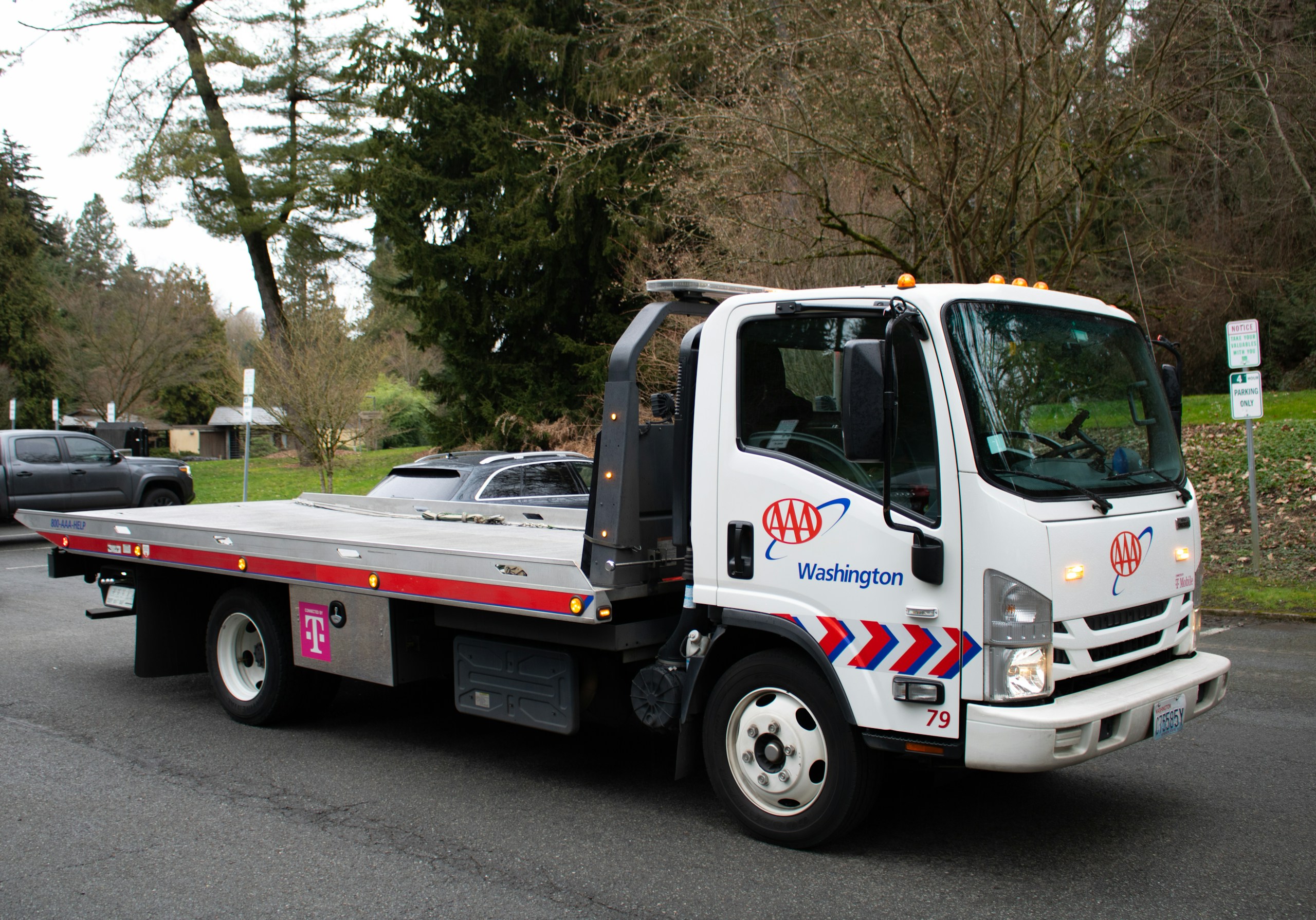
If a repossession is threatened, act promptly. Put your dispute in writing, identify the vehicle and account numbers, and ask the lender to pause while it explains its authority. Keep notices, call recordings if lawfully made, texts, payment confirmations, and title documents. If the vehicle has already been taken, record the time, place, company, inventory of personal belongings, and any notices about sale or redemption. Deadlines can be short.
A collector’s false description of the debt or its rights may create separate collection issues, depending on who collected and what was said. An attorney can analyze the contracts and applicable law before advising on return of the car, damages, or stopping a sale.
Ginsburg Law Group can review repossession documents and the claimed lien, especially when a vehicle appears to have been paid off.