As AI and Robotics Transform Auto Manufacturing, Consumers Still Have Important Warranty and Lemon Law Rights
Robots Are Building More of Your Next Vehicle Than Ever Before
The automotive industry has always embraced innovation, but today’s manufacturing plants are entering an entirely new era.
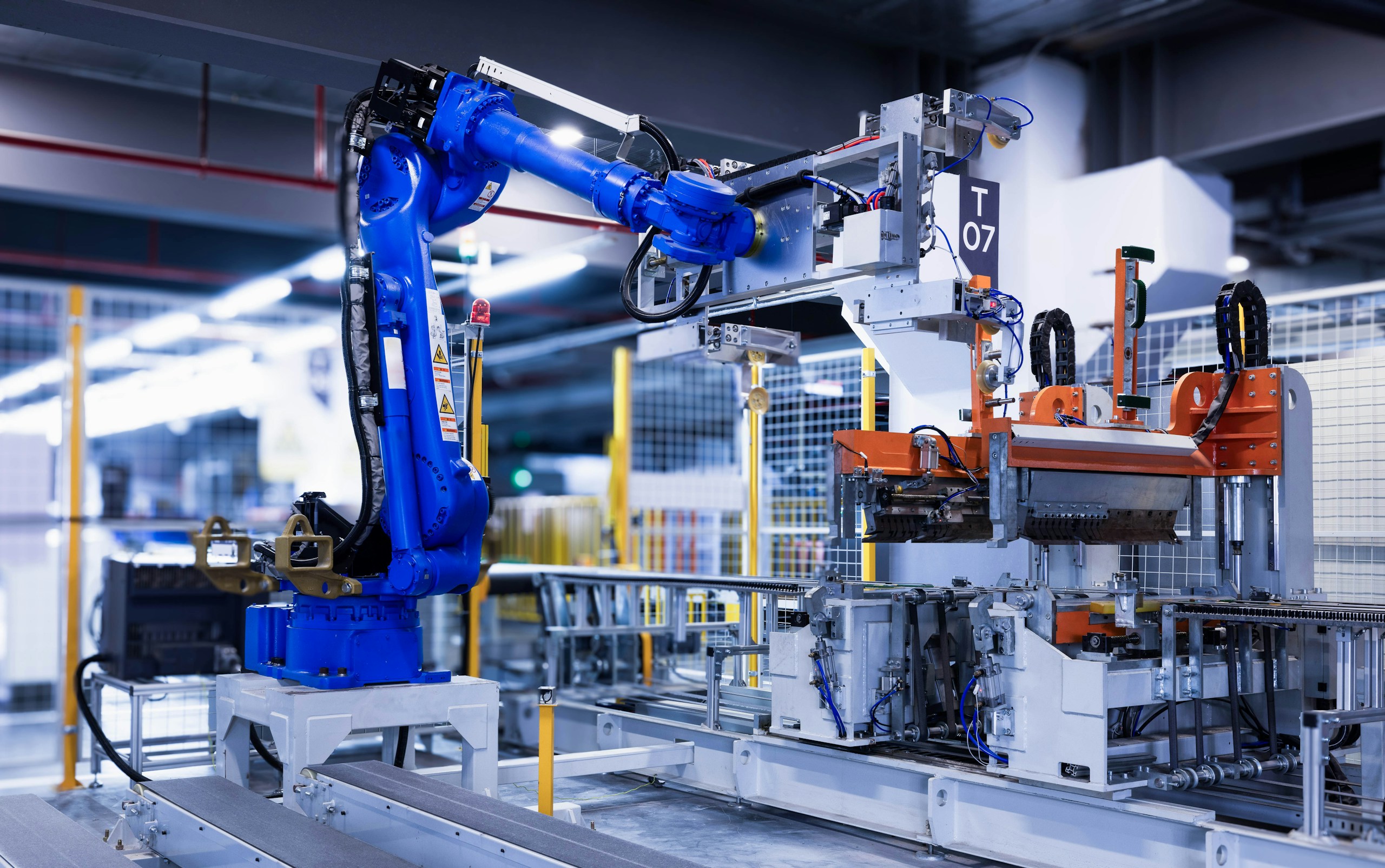
Manufacturers are investing billions of dollars in artificial intelligence, machine learning, robotics, and automation. Industry reports recently highlighted Mitsubishi’s plans to develop and deploy humanoid robots within its manufacturing operations, joining a growing number of automakers exploring how advanced robotics can improve production efficiency and product quality.
On paper, the idea sounds promising.
Robots don’t get tired.
They don’t lose concentration during long shifts.
They can perform the same task thousands of times with incredible precision.
Artificial intelligence can analyze manufacturing data in real time, identifying problems long before a human inspector ever notices them.
But despite these technological advances, one important question remains:
What happens when a vehicle built with the help of robots still turns out to be defective?
The answer is reassuring for consumers.
Whether your vehicle was assembled by hundreds of factory workers, sophisticated robotic systems, or future AI-powered manufacturing technology, the manufacturer—not the robot—is legally responsible for delivering a vehicle that complies with its warranty obligations.
If your new vehicle repeatedly experiences defects, your legal rights under your state’s Lemon Law and the federal Magnuson-Moss Warranty Act remain exactly the same.
Manufacturing Has Changed Dramatically
Walk into a modern automotive assembly plant today and you’ll see something very different than factories from decades past.
Instead of rows of employees manually welding body panels together, you’ll likely find:
- Robotic welding systems
- Automated painting equipment
- Vision-based quality inspection
- AI-assisted production monitoring
- Computer-guided assembly
- Automated material handling
- Laser measurement systems
- Machine learning quality control
These technologies have dramatically improved manufacturing consistency.
Yet no manufacturing system—human or robotic—is perfect.
Robots Can Reduce Human Error—But They Can’t Eliminate Defects
Automation helps reduce mistakes caused by:
- Fatigue
- Distraction
- Inconsistent assembly
- Human measurement errors
However, robots introduce entirely different risks.
Examples include:
- Incorrect programming
- Software errors
- Calibration problems
- Sensor failures
- Vision system mistakes
- Tool alignment issues
- Defective supplied components
In other words, robots don’t eliminate manufacturing defects.
They simply change how those defects may occur.
Not Every Defect Happens on the Assembly Line
Consumers sometimes assume every vehicle defect is caused by poor assembly.
That’s rarely true.
Vehicle problems may originate from:
Design Defects
The component itself was poorly engineered.
Manufacturing Defects
Something went wrong during production.
Software Defects
Programming errors affect vehicle operation.
Supplier Defects
A third-party manufacturer produced a faulty part.
Today’s vehicles often contain thousands of components supplied by hundreds of different companies around the world.
Even if final assembly is flawless, a defective sensor or electronic module supplied by another manufacturer can still create significant warranty issues.
Artificial Intelligence Is Now Helping Inspect Vehicles
Manufacturers increasingly use AI for quality control.
These systems can detect:
- Paint imperfections
- Weld inconsistencies
- Missing fasteners
- Panel alignment
- Dimensional accuracy
- Surface defects
AI inspection systems often outperform traditional visual inspections.
But they are not infallible.
A camera may miss a defect.
Software may incorrectly classify a flaw as acceptable.
Algorithms are only as good as the data used to train them.
More Technology Creates More Complexity
Ironically, advanced manufacturing has coincided with increasingly sophisticated vehicles.
Today’s cars include:
- Hundreds of sensors
- Multiple computers
- Driver assistance systems
- Electric powertrains
- Hybrid technology
- Touchscreens
- Wireless updates
- Smartphone integration
As vehicles become more complicated, the potential number of failure points also grows.
Manufacturing precision helps.
Complexity still creates risk.
If a Robot Makes a Mistake, Who Is Responsible?
This is one of the most common questions consumers ask when discussing AI-driven manufacturing.
The answer is straightforward.
Consumers generally purchased the vehicle from:
- The dealership
The written warranty comes from:
- The manufacturer
The manufacturer selected:
- The production methods
- The suppliers
- The robotics
- The quality-control procedures
Consumers do not assume the risk simply because advanced technology was used during production.
If a manufacturing defect results in repeated warranty repairs, responsibility generally remains with the manufacturer.
Defective Software Can Be a Manufacturing Problem Too
Modern manufacturing extends beyond physical assembly.
Vehicles leave the factory with millions of lines of software already installed.
Potential issues include:
- Programming errors
- Incorrect calibration
- Communication failures
- Driver assistance bugs
- Battery management issues
- Electronic control module defects
These problems may originate long before the vehicle reaches a dealership.
Software is now just as much a manufacturing component as the engine or transmission.
Common Defects Consumers Continue to Experience
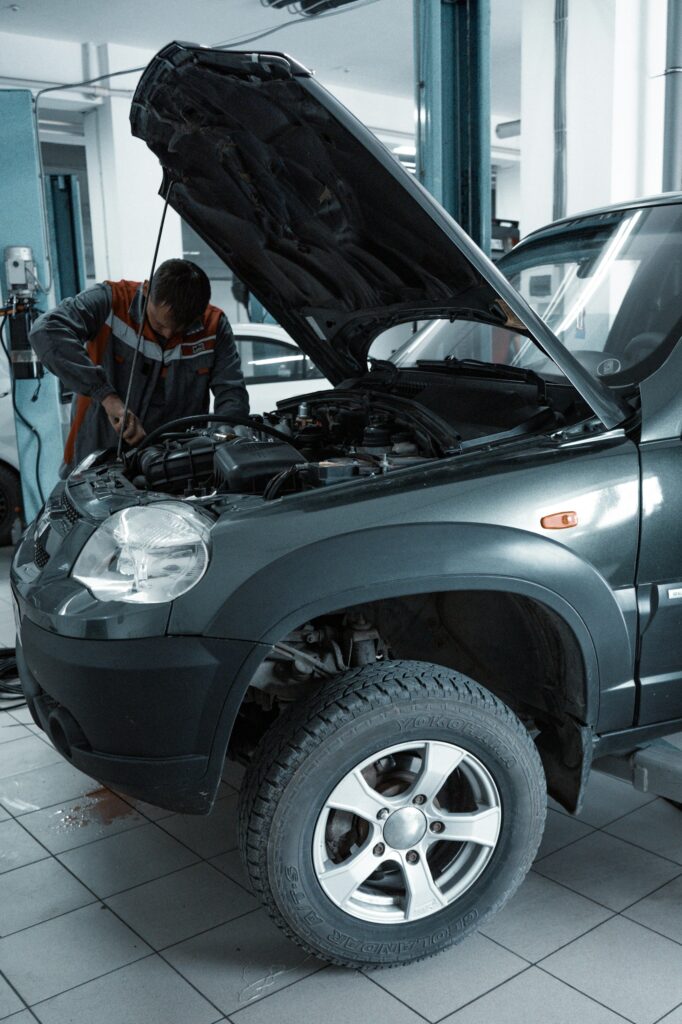
Despite advances in robotics, consumers still report recurring issues involving:
Electrical Systems
- Battery drain
- Warning lights
- No-start conditions
Infotainment
- Frozen touchscreens
- Camera failures
- Bluetooth problems
Driver Assistance
- Adaptive cruise control failures
- Lane-centering errors
- Collision warning malfunctions
Mechanical Components
- Suspension noise
- Transmission hesitation
- Steering issues
- Brake problems
Whether assembled manually or robotically, these defects remain covered by warranty when applicable.
Can a High-Tech Manufacturing Error Create a Lemon?
Absolutely.
Most state Lemon Laws do not ask:
“Was this defect caused by a human or a robot?”
Instead, they generally ask:
- Does the defect substantially impair use?
- Does it substantially impair value?
- Does it substantially impair safety?
- Has the manufacturer received a reasonable opportunity to repair it?
If the answer is yes, the source of the defect often makes little difference.
Repeated Repairs Matter More Than the Cause
Consumers sometimes spend too much time trying to identify exactly why their vehicle failed.
That’s understandable.
But legally, repeated unsuccessful repairs often matter far more than identifying the original engineering mistake.
Examples include:
- Multiple repairs for the same issue
- Repeated software updates
- Numerous electronic failures
- Long periods out of service
The focus becomes whether the manufacturer successfully corrected the problem—not whether the defect originated during robotic assembly.
Keep Every Repair Record
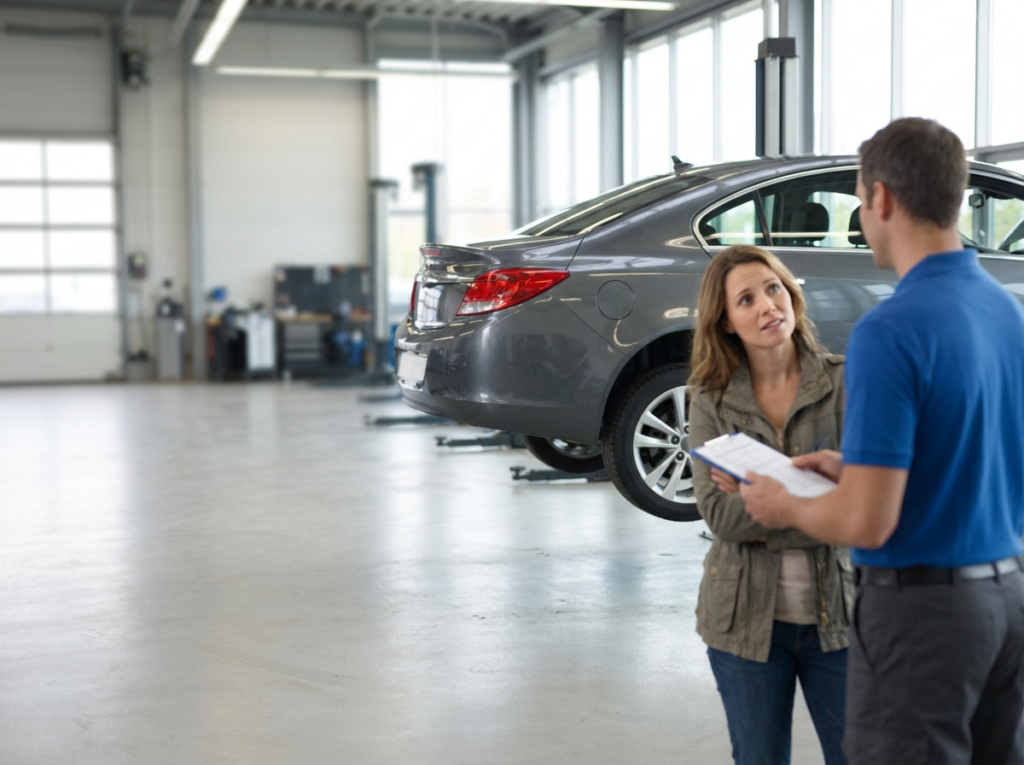
Whether the issue involves software, electronics, or traditional mechanical components, documentation remains critical.
Save:
- Repair orders
- Warranty invoices
- Recall notices
- Software update records
- Tow bills
- Rental receipts
- Photos
- Videos
Review repair orders before leaving the dealership to ensure your complaint is accurately described.
Don’t Ignore Technical Service Bulletins
Manufacturers frequently issue Technical Service Bulletins (TSBs) after identifying recurring problems.
A TSB is not a recall.
Instead, it provides dealerships with updated repair procedures.
If multiple TSBs exist addressing your vehicle’s problem, mention them when discussing repairs with your dealership.
The Magnuson-Moss Warranty Act Still Applies
Even if your state’s Lemon Law no longer applies, federal law may continue protecting you.
The Magnuson-Moss Warranty Act requires manufacturers to honor written warranties.
The Act frequently applies to:
- Electrical defects
- Software failures
- Mechanical problems
- Multiple different warranty repairs
- Used vehicles still under warranty
Manufacturers cannot avoid warranty obligations simply because a defect originated during an automated manufacturing process.
Frequently Asked Questions
Can manufacturers blame robots for vehicle defects?
No. Consumers generally have warranty rights against the manufacturer—not the equipment used to build the vehicle.
Does AI manufacturing eliminate recalls?
No. Even highly automated manufacturing facilities continue issuing recalls when safety defects are discovered.
Are software defects manufacturing defects?
Often, yes. Factory-installed software becomes part of the vehicle delivered to consumers.
Does automation change Lemon Law rights?
No. State Lemon Laws and the Magnuson-Moss Warranty Act generally apply regardless of how the vehicle was manufactured.
Final Thoughts
Artificial intelligence and robotics are transforming the way vehicles are designed, assembled, and inspected. These technologies are helping manufacturers improve consistency, reduce human error, and build increasingly sophisticated automobiles. Over time, they may significantly improve reliability across the automotive industry.
But technology does not eliminate accountability.
Consumers purchase vehicles—not manufacturing experiments. Whether a defect results from a programming error in a robotic welding system, a faulty supplier component, improperly calibrated inspection software, or traditional assembly mistakes, manufacturers remain responsible for honoring their written warranties.
If your new vehicle repeatedly returns to the dealership because of electrical problems, software failures, mechanical defects, or other warranty-covered issues, don’t assume that “complex technology” excuses poor reliability. State Lemon Laws and the Magnuson-Moss Warranty Act continue to protect consumers in an era of artificial intelligence just as they did when vehicles were assembled almost entirely by human hands.
The future of manufacturing may belong to robots—but the responsibility for delivering a reliable vehicle still belongs to the manufacturer.