

More Americans are running out of room with their debts. On October 22, 2026, the Administrative Office of the U.S. Courts reported that bankruptcy filings rose 11.4% in the 12 months ending September 30, 2026: 621,111 cases, up from 557,376 a year earlier. Non-business (mostly individual and family) filings climbed to 594,057, and business filings rose 12.5% to 27,054.
The same week, the Federal Trade Commission announced that a federal court in Arizona had entered a $106.8 million default judgment against the companies behind “Accelerated Debt,” a debt relief operation the FTC says targeted seniors and veterans by pretending to be their banks, credit card companies and government agencies. The two stories belong together. When more people are struggling with debt, more scammers show up promising a way out.
What the bankruptcy numbers show
Filings are still far below historical highs. They peaked at nearly 1.6 million in the year ending September 2010 and bottomed out at 380,634 in June 2022. But according to the courts, totals have risen every quarter since then. Over the past year, Chapter 7 (liquidation) cases grew to 391,386 and Chapter 13 (repayment plan) cases grew to 219,116.
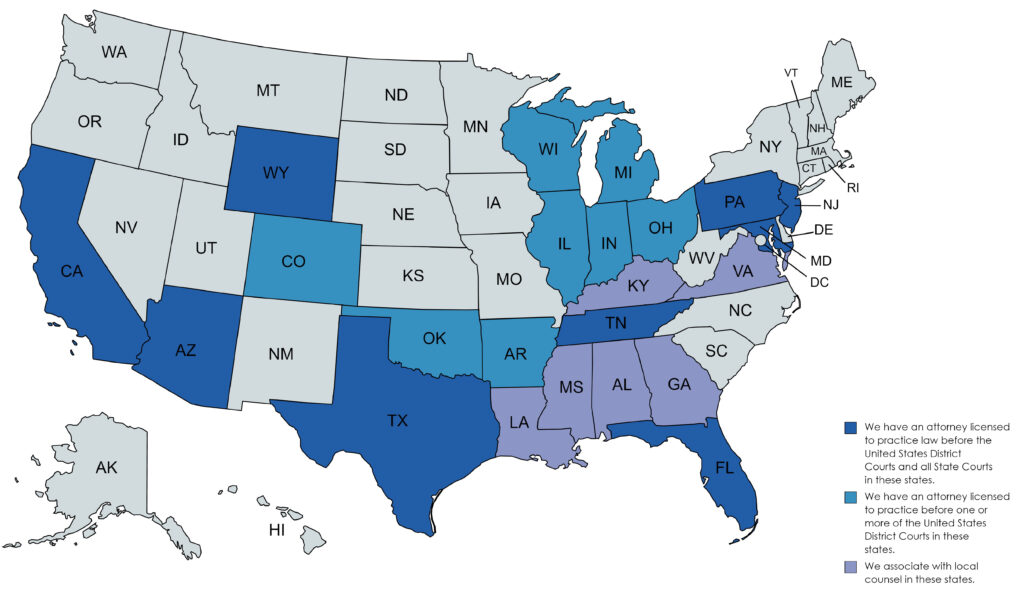
Several of the states where we practice rose faster than the national average. Adding up each state’s federal bankruptcy districts in the courts’ Table F, year ending September 30, 2026 compared with the prior year:
- Texas: 43,701 filings, up 21.2%
- Florida: 51,247 filings, up 21.0% (the Middle District of Florida alone rose 26.4%)
- Maryland: 14,113 filings, up 17.3%
- California: 59,021 filings, up 12.0%
- Tennessee: 23,468 filings, up 11.8%
- Wyoming: 616 filings, up 10.2%
- Arizona: 13,548 filings, up 9.0%
- New Jersey: 15,025 filings, up 8.9%
- Pennsylvania: 14,256 filings, up 4.7%
Behind those numbers are people who fell behind on credit cards, medical bills, car loans or a mortgage, or who were sued by a collector and saw a judgment or wage garnishment coming.
The debt relief scam the FTC just shut down
According to the FTC’s July 2025 complaint, the Accelerated Debt operation reached people through telemarketing calls and through direct-mail and online ads that prompted consumers to call in. The defendants allegedly claimed they could cut consumers’ debts by 75% or more, posed as consumers’ banks, credit card issuers, credit bureaus and federal agencies, charged illegal up-front fees, and pulled credit reports without a lawful purpose. The FTC estimated the scheme took in about $100 million, mostly from older consumers, some of them veterans.
The FTC’s examples show how much damage these programs do. One Army veteran ended up $13,000 deeper in debt, watched his credit score fall from the high 700s to the 500s after he was told to stop paying his credit cards, and nearly lost the security clearance he needed for his job. A retired, disabled veteran paid an advance fee of nearly $10,000 and had to drain savings and retirement funds to cover the extra debt.
On October 14, 2026, the court entered the $106.8 million default judgment against seven corporate defendants. The order permanently bans them from selling debt relief, from telemarketing and from impersonating any government agency or business. The three individual defendants agreed to stipulated orders in March 2026 with the same bans. One of them, Jeffrey Lakes, faces a $104.3 million judgment that will be partly suspended once he turns over assets the FTC values at about $12.6 million. The FTC says money collected from the individuals will be available for consumer redress. No refund process has been announced yet.
How to tell real help from a scam
Federal law already gives you a strong test. Under the FTC’s Telemarketing Sales Rule (16 C.F.R. § 310.4(a)(5)), a debt relief company that sells by phone generally can’t charge you any fee until it has actually settled or changed the terms of at least one of your debts and you have made at least one payment under that deal. Watch for these red flags:
- Fees before results. A company that wants hundreds or thousands of dollars before it has settled anything is a warning sign.
- “Stop paying your creditors.” Missed payments bring late fees, collection calls, credit damage and often lawsuits. Many people sued by collectors were told by a debt relief company to stop paying.
- Claims to be your bank or the government. Your bank doesn’t cold-call you to sell debt reduction, and there is no government program that wipes out credit card debt for a fee.
- Guaranteed percentages. Promises to cut your debt by a set amount, such as 75%, before anyone has looked at your accounts.
- Requests for account numbers or remote checks. Never give bank or card numbers to someone who called you.
What to do if you’re overwhelmed by debt
- Don’t ignore a lawsuit. If a collector sues you, there is a short deadline to respond. A missed deadline usually means a default judgment and, in many states, wage garnishment or a bank levy. A timely answer preserves defenses such as lack of proof, the statute of limitations and FDCPA violations.
- Know your bankruptcy options. Chapter 7 can wipe out many unsecured debts. Chapter 13 lets you keep property while you repay on a court-supervised plan. Before filing, federal law (11 U.S.C. § 109(h)) requires a credit counseling session from an agency approved by the U.S. Trustee Program, and the Trustee publishes the approved list.
- Use a licensed attorney or an approved nonprofit counselor. Neither will promise you a fixed result before reviewing your situation.
- If you paid a debt relief company that took fees up front, impersonated someone or told you to stop paying, report it at ReportFraud.ftc.gov and to your state attorney general, and talk to a lawyer about whether you can recover your money.
- Check your credit reports for accounts or inquiries you don’t recognize and dispute anything inaccurate.
Ginsburg Law Group defends consumers sued by creditors and debt buyers, helps clients weigh bankruptcy and other debt options, and holds collectors and debt relief companies accountable when they break the law. If you’re behind on bills, facing a collection lawsuit, or think a debt relief company took advantage of you, contact us for a review.
This article is for general informational purposes only and is not legal advice. Bankruptcy and debt relief options depend on your income, assets and state law. State-level figures are totals of each state’s federal bankruptcy districts as reported in the U.S. Courts’ Table F. Consult a licensed attorney about your specific situation.
Authoritative Sources
- U.S. Courts: Bankruptcy Filings Increase 11.4 Percent (Oct. 22, 2026)
- U.S. Courts Table F: Bankruptcy Cases by District, 12 Months Ending Sept. 30, 2026
- FTC: Court Permanently Shuts Down Illegal Debt Relief Operation (Oct. 2026)
- FTC: FTC Halts Illegal Debt-Relief Operation (July 2025)
- FTC case page: Accelerated Debt Settlement
- FTC Consumer Alert: Looking for debt relief? Here’s how to avoid a scam
- 16 C.F.R. § 310.4, Telemarketing Sales Rule (Cornell LII)
- 11 U.S.C. § 109 (Cornell LII)
- U.S. Trustee Program: Credit Counseling and Debtor Education
- U.S. Courts: Bankruptcy Basics