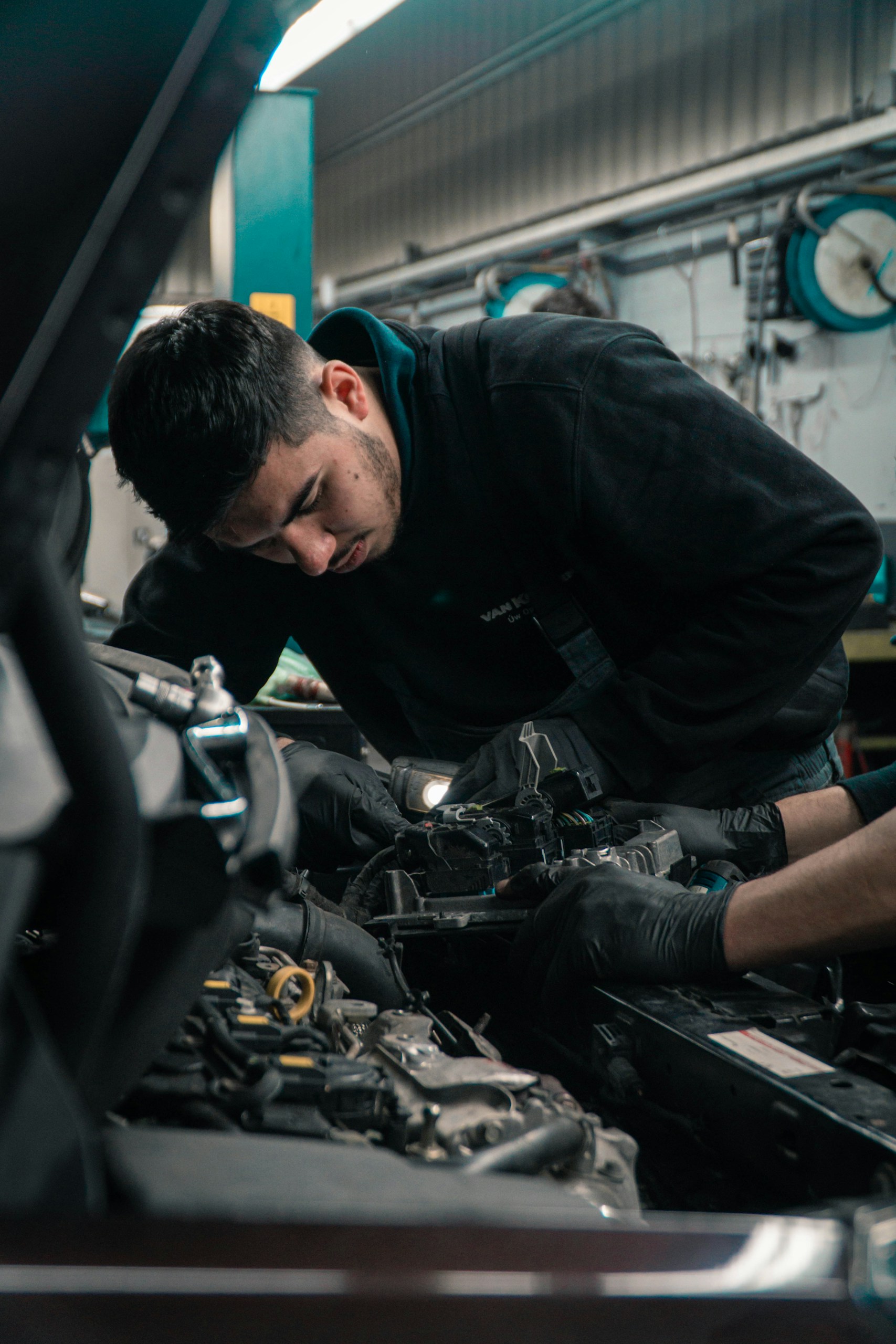
If your vehicle has spent months going back and forth to the dealership for the same problem, it’s understandable to want it out of your life.
Many consumers say things like:
- “I’m done with this car.”
- “I just want to trade it in.”
- “I’m going to sell it and move on.”
- “I can’t keep driving something that keeps breaking down.”
Those feelings are completely understandable.
However, selling, trading in, returning, or otherwise getting rid of your vehicle before your Lemon Law or breach of warranty case is resolved can seriously damage—or even eliminate—your legal claim.
In many cases, the vehicle itself is one of the most important pieces of evidence in your case. Once it’s gone, proving your claim becomes much more difficult.
Here’s why your attorney will almost always advise you to keep the vehicle until your case has been fully resolved.
The Vehicle Is Evidence
Unlike many other lawsuits, Lemon Law and breach of warranty cases revolve around a physical product—the vehicle itself.
The vehicle allows:
- Engineers to inspect it.
- Experts to test it.
- The manufacturer to examine it.
- Your attorney’s experts to evaluate recurring defects.
- The court, if necessary, to determine whether the alleged problems exist.
If you no longer own or possess the vehicle, much of that evidence disappears.
The Manufacturer Has the Right to Inspect the Vehicle
One of the most overlooked aspects of Lemon Law litigation is that the manufacturer is generally entitled to inspect the vehicle.
During litigation, the manufacturer may request an inspection by:
- Its own engineer,
- An expert witness,
- A technical specialist,
- A dealership representative.
If you’ve already sold or traded the vehicle, you may no longer be able to provide access.
That can create serious evidentiary problems.
Expert Inspections Can Make or Break a Case
Many Lemon Law and breach of warranty cases involve expert testimony.
An automotive expert may inspect:
- The engine
- Transmission
- Electrical system
- Suspension
- Steering
- Hybrid battery
- EV charging components
- Safety systems
- Infotainment system
The expert’s findings often become critical evidence.
Without the vehicle, those inspections may be impossible.
The Manufacturer May Claim the Defect Never Existed
Suppose you sell your vehicle before litigation begins.
The manufacturer may later argue:
- The problem wasn’t serious.
- The defect no longer exists.
- The vehicle was repaired.
- The condition changed after you sold it.
- The buyer caused the problem.
- The vehicle cannot now be evaluated.
Keeping possession of the vehicle avoids many of these arguments.
You May Need to Demonstrate the Defect
Some defects are difficult to explain with words alone.
Examples include:
- Transmission hesitation
- Engine stalling
- Excessive vibration
- Suspension noises
- Water leaks
- Electrical failures
- Intermittent warning lights
- Infotainment freezing
Sometimes the best evidence is simply demonstrating the problem.
That becomes impossible if the vehicle is no longer available.
Trading in the Vehicle Can Complicate Your Damages
Many consumers assume they can simply trade in the defective vehicle while pursuing compensation later.
Unfortunately, a trade-in introduces new issues.
Questions may arise such as:
- What was the trade-in value?
- Was the reduced value caused by the defect?
- Did the dealer discount the vehicle?
- Did the consumer receive full market value?
- How should damages now be calculated?
These issues can complicate settlement negotiations and litigation.
Selling the Vehicle May Affect Available Remedies
Many Lemon Laws provide remedies such as:
- Manufacturer buyback
- Vehicle replacement
- Refund of purchase price (subject to applicable offsets)
- Payment of incidental damages
If you no longer own the vehicle, some of those remedies may no longer be available or may become significantly more complicated.
Your attorney may instead have to pursue different forms of relief.
The Vehicle’s Condition Matters
Manufacturers often inspect the vehicle’s condition during litigation.
They may document:
- Mileage
- Wear and tear
- Accident damage
- Modifications
- Maintenance history
If someone else owns the vehicle—or has modified or damaged it after your sale—the manufacturer may argue it cannot fairly evaluate the alleged defect.
Don’t Let Someone Else Change the Evidence
Once you sell your vehicle, you lose control over what happens to it.
The new owner may:
- Repair the defect.
- Modify the vehicle.
- Install aftermarket parts.
- Tune the engine.
- Delete diagnostic data.
- Damage the vehicle in an accident.
Those changes may make it impossible to determine what condition the vehicle was in when you owned it.
Electronic Data Can Be Important
Modern vehicles store enormous amounts of electronic information.
This may include:
- Diagnostic trouble codes
- Freeze-frame data
- Event data
- Software versions
- Battery history
- Charging records
- Sensor information
That data may become valuable evidence.
If the vehicle is altered, repaired, or destroyed, important electronic information may be lost forever.
Breach of Warranty Cases Often Require Proof of the Continuing Defect
Unlike some Lemon Law claims that rely heavily on repair history, breach of warranty cases often require proof that:
- The defect existed.
- The warranty covered the defect.
- The manufacturer failed to repair it within a reasonable time.
The current condition of the vehicle may become highly relevant.
Keeping the vehicle available helps preserve that evidence.
Continue Using Authorized Dealers for Warranty Repairs
If the vehicle remains under warranty, continue taking it to an authorized dealership whenever the defect recurs.
This accomplishes several important goals:
- It creates additional repair documentation.
- It gives the manufacturer another opportunity to repair the defect.
- It preserves your warranty rights.
- It strengthens your repair history.
Each repair order may become valuable evidence later.
Continue Maintaining the Vehicle
Some consumers mistakenly believe they should stop maintaining a defective vehicle because they expect a buyback.
Don’t make that mistake.
Continue performing routine maintenance according to the manufacturer’s recommendations.
Examples include:
- Oil changes
- Tire rotations
- Fluid services
- Scheduled inspections
Failing to maintain the vehicle could allow the manufacturer to argue that neglect—not a manufacturing defect—caused some or all of the problems.
Keep receipts for all maintenance performed.
Don’t Make Major Modifications
Avoid significant modifications while your case is pending.
Examples include:
- Lift kits
- Lowering kits
- Performance tunes
- Aftermarket turbochargers
- Suspension modifications
- Engine swaps
The manufacturer may argue that modifications caused or contributed to the alleged defect.
Keep Driving It? Maybe.
Consumers often ask whether they should continue driving the vehicle.
The answer depends on the nature of the defect.
If the problem involves:
- Minor drivability concerns,
- Infotainment issues,
- Cosmetic defects,
continued use may be reasonable.
However, if the vehicle experiences:
- Brake failures,
- Steering problems,
- Sudden stalling,
- Fire risks,
- Airbag defects,
your attorney may recommend limiting use until repairs can be made.
Safety should always come first.
Continue Making Loan or Lease Payments
Many consumers believe they should stop paying because the vehicle is defective.
Generally, that’s not the case.
Your lender is usually separate from the manufacturer.
Stopping payments may result in:
- Repossession,
- Credit damage,
- Late fees,
- Collection activity.
Continue making payments unless your attorney advises otherwise.
Keep Your Insurance and Registration Current
Don’t allow your insurance to lapse simply because your case is pending.
Likewise, continue renewing your registration as required by your state.
Failing to do so can create unnecessary legal complications.
Store All Your Documentation Together
Create a dedicated file containing:
- Purchase agreement
- Finance or lease contract
- Warranty booklet
- Repair orders
- Maintenance receipts
- Tow bills
- Rental car receipts
- Photos
- Videos
- Emails
- Text messages
The stronger your documentation, the stronger your case.
What If You Absolutely Must Get Rid of the Vehicle?
Sometimes circumstances change.
You may experience:
- Financial hardship
- Military relocation
- Total loss from an accident
- Medical issues
- Family emergencies
If disposing of the vehicle becomes unavoidable:
Talk to your attorney first.
There may be ways to:
- Preserve evidence through inspections,
- Document the vehicle thoroughly,
- Coordinate with the manufacturer,
- Protect your legal claims before the vehicle leaves your possession.
Never assume you can simply sell the vehicle and continue the case without consequences.
Frequently Asked Questions
Can I trade in my vehicle while my Lemon Law case is pending?
You should not trade in your vehicle without first speaking with your attorney. A trade-in may affect the evidence available in your case and could complicate your ability to pursue certain remedies.
Can I sell the vehicle if it keeps breaking down?
Selling the vehicle before your case is resolved may make it much more difficult to prove your claims. The manufacturer may argue that it no longer has the opportunity to inspect or evaluate the alleged defect.
Do I need to keep repairing the vehicle?
If the defect recurs during the warranty period, you should generally continue presenting the vehicle to an authorized dealership for warranty repairs, unless your attorney advises otherwise.
Should I stop driving the vehicle?
It depends on the defect. If the issue involves a serious safety concern—such as brake failure, steering problems, or repeated stalling—you should discuss the situation with your attorney and follow any safety recommendations from the dealership or manufacturer.
What if the vehicle is totaled in an accident?
A total loss can significantly affect a pending Lemon Law or breach of warranty case. Contact your attorney immediately so they can advise you on preserving evidence and protecting your legal rights.
The Bottom Line
When you’re dealing with a defective vehicle, getting rid of it may seem like the fastest way to move on. Ironically, doing so can make it much harder to obtain the compensation you’re seeking.
Your vehicle is more than just transportation—it is often the central piece of evidence in a Lemon Law or breach of warranty case. Keeping the vehicle available allows experts to inspect it, gives the manufacturer an opportunity to evaluate the alleged defects, preserves electronic data, and helps avoid disputes about the vehicle’s condition.
Until your case is resolved, continue maintaining the vehicle, keep it insured and registered, make your loan or lease payments on time, and preserve every repair record. Most importantly, do not sell, trade in, surrender, or otherwise dispose of the vehicle without first consulting your attorney. Taking that one precaution can help protect the strength of your case and improve your chances of obtaining a favorable outcome.