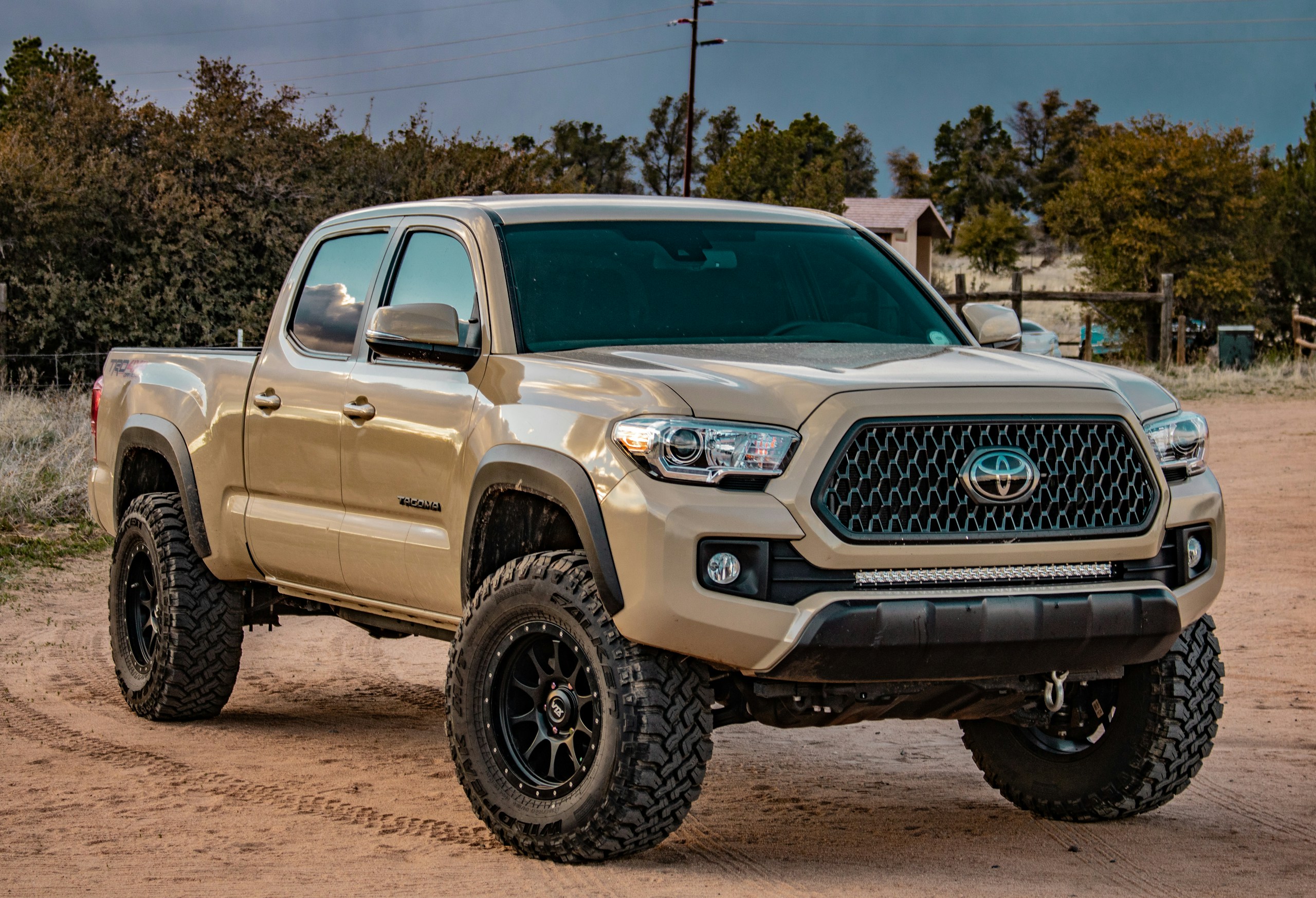
Toyota recently announced changes affecting Tacoma production, prompting questions from truck enthusiasts and prospective buyers. Whenever a manufacturer moves production to a different facility, consumers naturally wonder whether quality, reliability, or warranty service will change.
The good news is that relocating production does not automatically mean a vehicle will be better—or worse.
However, it does provide an opportunity to discuss an important topic: what should consumers do if a brand-new vehicle repeatedly develops problems?
Manufacturing Changes Happen Regularly
Automakers frequently adjust production for reasons such as:
- Supply chain improvements
- Increased demand
- Labor availability
- Factory modernization
- Logistics
- Cost efficiency
Most production changes occur without affecting quality.
Manufacturers continue to apply engineering standards and quality control processes regardless of where a vehicle is assembled.
Focus on Your Individual Vehicle
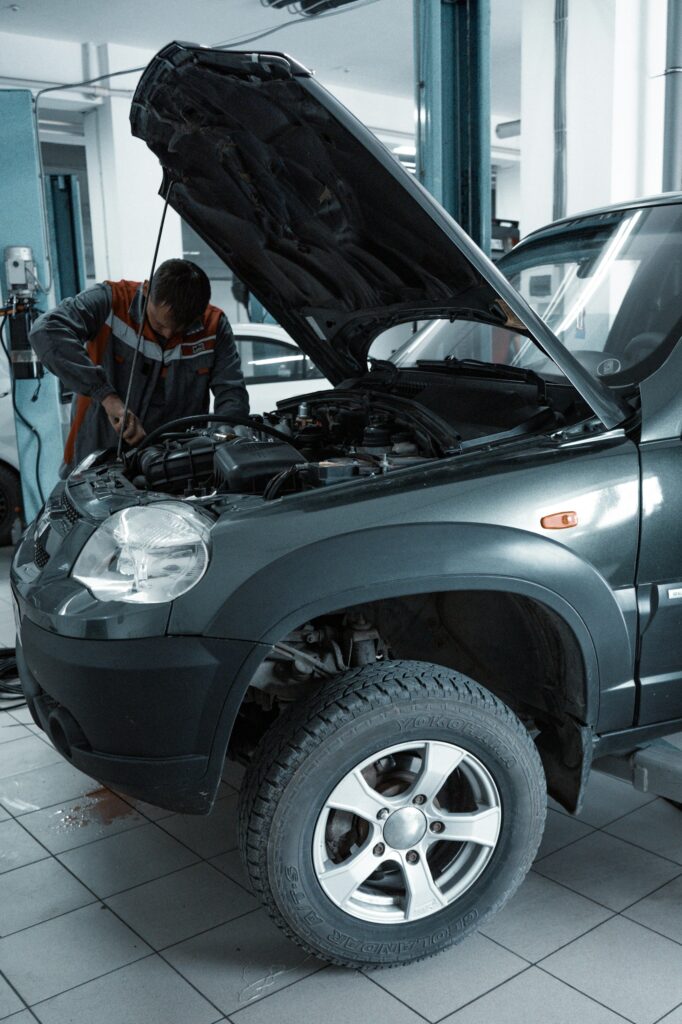
Rather than worrying about where a vehicle was built, pay attention to how your specific vehicle performs.
Warning signs include:
- Repeated repairs for the same issue
- Persistent warning lights
- Transmission problems
- Engine issues
- Electrical failures
- Water leaks
- Safety system malfunctions
One defective vehicle does not necessarily reflect an entire production line—but it may give rise to legal rights.
Know Your Warranty
Every new vehicle comes with warranty protections.
If repairs are unsuccessful, consumers may have remedies under:
- Manufacturer warranties
- Extended warranties
- State lemon laws
- The Magnuson-Moss Warranty Act
The sooner recurring problems are documented, the easier it may be to establish a pattern of unsuccessful repair attempts.
Documentation Is Essential
Maintain:
- Repair invoices
- Service records
- Photographs
- Videos
- Emails
- Text messages
- Towing receipts
- Rental car receipts
These records can become valuable if a dispute arises with the manufacturer.
Don’t Wait Too Long
Many consumer protection laws have deadlines.
If your new vehicle repeatedly returns to the dealership for the same issue, it’s worth speaking with an attorney before warranty periods or legal deadlines expire.
The Bottom Line
Production changes are a normal part of the automotive industry and do not necessarily indicate future reliability problems. What matters most is whether your vehicle performs as promised and whether defects are repaired within a reasonable time.
If repeated repair attempts have failed to fix your vehicle, Ginsburg Law Group, P.C. can evaluate your situation and help determine whether you may have rights under your state’s lemon law or the federal Magnuson-Moss Warranty Act.