If you’ve been driving a defective vehicle for months—or even years—you’ve probably reached a point where you’ve had enough.
Perhaps you’ve already made multiple trips to the dealership. Maybe you’ve missed work because your vehicle was in the repair shop. You may have lost confidence in the vehicle’s safety or reliability.
Eventually, many consumers say:
- “I’m just going to trade it in.”
- “I can’t afford to keep this anymore.”
- “I’m selling it this weekend.”
- “I need something dependable.”
Those reactions are understandable.
However, if you have a pending—or potential—Lemon Law or breach of warranty claim, getting rid of your vehicle without taking the proper steps could seriously affect your case.
Whenever possible, you should discuss the situation with your attorney before selling, trading, surrendering, or otherwise disposing of the vehicle.
If it becomes unavoidable to dispose of the vehicle, providing advance written notice to the manufacturer and offering a reasonable opportunity to inspect the vehicle may help reduce future disputes about lost evidence.
Why the Vehicle Matters
The vehicle is often one of the most important pieces of evidence in your case.
It allows:
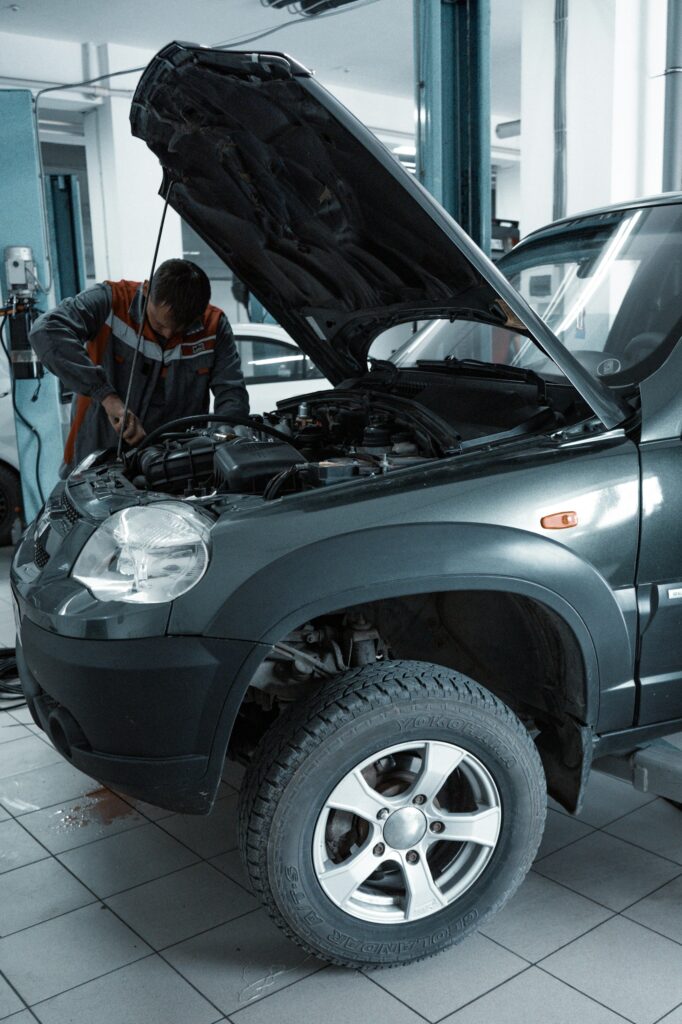
- Engineers to inspect the alleged defects.
- Experts to review the condition of the vehicle.
- Both parties to perform diagnostic testing.
- Electronic data to be preserved.
- The manufacturer to evaluate the alleged problems.
Once the vehicle is sold or traded, much of that evidence may no longer be available.
What Happens If You Sell the Vehicle?
If the manufacturer later asks to inspect the vehicle and you no longer own it, the manufacturer may argue:
- The evidence has been lost.
- The vehicle cannot be examined.
- The condition may have changed.
- Repairs or modifications may have been made by someone else.
- It has been prejudiced because it lost the opportunity to inspect.
Providing advance notice may not eliminate those arguments entirely, but it demonstrates that you acted reasonably and gave the manufacturer an opportunity to inspect before the vehicle left your possession.
When Might Disposal Be Unavoidable?
Sometimes consumers have no realistic choice.
Examples include:
- Financial hardship.
- A vehicle that is unsafe to continue driving.
- Military relocation.
- Needing a more reliable vehicle for work.
- Lease expiration.
- Significant life changes.
If disposing of the vehicle becomes necessary, your attorney may recommend documenting the vehicle thoroughly and providing notice before it leaves your possession.
What Should the Notice Include?
A written notice should generally identify:
- The vehicle.
- The VIN.
- Current mileage.
- The pending warranty dispute or claim.
- That disposal is anticipated.
- A reasonable opportunity to inspect before the transfer.
- A deadline for arranging the inspection.
Your attorney can help determine an appropriate deadline based on the circumstances of your case.
Preserve the Vehicle Until the Deadline Passes
After sending notice:
- Continue preserving the vehicle.
- Do not make unnecessary modifications.
- Continue routine maintenance if appropriate.
- Keep the vehicle available for inspection until the deadline expires or the inspection occurs.
Continue Keeping Records
Before the vehicle leaves your possession, preserve:
- Photographs.
- Videos.
- Repair orders.
- Maintenance records.
- Warranty booklet.
- Purchase documents.
- Loan or lease paperwork.
- Tow receipts.
- Rental receipts.
Good documentation remains valuable even after the vehicle has been transferred.
The Bottom Line
Selling or trading a defective vehicle before a Lemon Law or breach of warranty case is resolved should never be done casually. The vehicle itself is often key evidence, and disposing of it without consulting your attorney may create unnecessary complications.
If circumstances make disposal unavoidable, speak with your attorney first. They may recommend preserving evidence, arranging inspections, and providing advance written notice to the manufacturer before the vehicle changes hands. Taking those steps can help demonstrate good faith and reduce later disputes about lost evidence.
SAMPLE LETTER
[Date]
Via Certified Mail and Email (if available)
Manufacturer’s Customer Assistance Center
Re: Notice of Intended Disposition of Vehicle and Opportunity to Inspect
Vehicle:
Year:
Make:
Model:
VIN:
Current Mileage:
To Whom It May Concern:
I am the owner of the above-referenced vehicle, which has been the subject of repeated warranty repairs and ongoing disputes concerning defects affecting its use, value, and/or safety.
Due to circumstances that make it impracticable for me to continue retaining the vehicle, I anticipate transferring ownership of the vehicle on or after [date].
Before doing so, I am providing this written notice to afford you a reasonable opportunity to inspect and document the vehicle if you believe such an inspection is necessary.
The vehicle will remain available for inspection at a mutually agreeable time and location through [date]. If you wish to inspect the vehicle, please contact me or my attorney promptly so that arrangements can be made before the anticipated transfer.
Nothing in this letter should be construed as a waiver of any legal rights, remedies, warranty claims, Lemon Law claims, breach of warranty claims, or other causes of action that I may have. I expressly reserve all rights.
Thank you for your prompt attention to this matter. Please respond in writing if you wish to schedule an inspection.
Sincerely,
[Owner Name]
[Address]
[Telephone]
[Email]