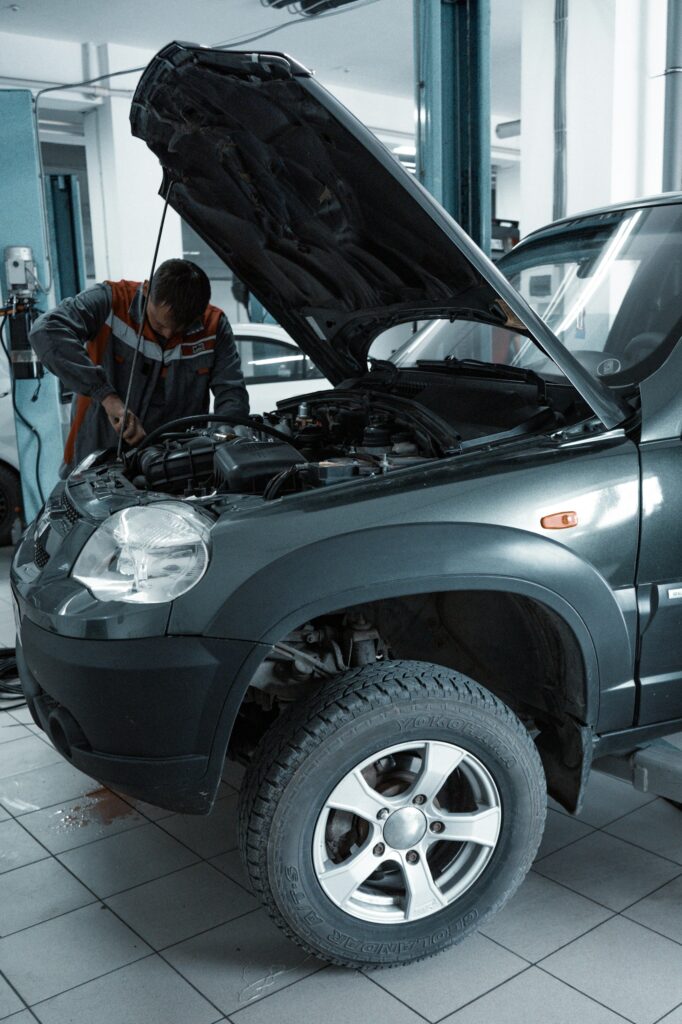
You bought a new vehicle expecting reliability. Instead, you’ve spent months driving back and forth to the dealership for the same recurring problem. The vehicle may stall, the transmission may hesitate, the electrical system may fail, or a warning light refuses to stay off despite repeated repair attempts.
Eventually, many consumers reach the same conclusion:
“If the vehicle is defective, why should I keep paying for it?”
It’s an understandable reaction. After all, it feels unfair to continue making monthly payments on a vehicle that spends more time in the repair shop than in your driveway.
Unfortunately, stopping your loan or lease payments during a Lemon Law claim can create serious financial and legal problems—often making an already difficult situation much worse.
In most cases, your finance company is not the same company you’re pursuing in your Lemon Law claim. Your payment obligation continues while your case is pending, and missing payments can lead to repossession, damaged credit, late fees, and even collection lawsuits.
Here’s why continuing to make your payments is usually one of the smartest decisions you can make during a Lemon Law case.
Understanding the Three Different Relationships
One of the biggest misconceptions consumers have is believing that everyone involved in their vehicle purchase is the same company.
In reality, there are usually three separate entities:
- The manufacturer, which built the vehicle and issued the warranty.
- The dealership, which sold or leased the vehicle and performs warranty repairs.
- The finance company or lender, which provided the loan or lease financing.
Each has a different role.
The manufacturer is generally responsible for honoring the warranty and, if appropriate, buying back or replacing a defective vehicle under the Lemon Law.
The dealership performs warranty work on the manufacturer’s behalf.
The lender expects you to make the monthly payments required under your financing agreement.
These are separate legal relationships.
Your Loan Agreement Is Separate from Your Lemon Law Claim
When you financed or leased your vehicle, you signed a contract agreeing to make monthly payments.
That agreement exists independently of the manufacturer’s warranty obligations.
Even if your vehicle has a serious defect, your lender generally did not:
- Build the vehicle.
- Design the defective component.
- Perform the warranty repairs.
- Decide whether your vehicle qualifies under the Lemon Law.
From the lender’s perspective, it fulfilled its part of the transaction by providing financing.
Unless your loan agreement or applicable law provides otherwise, your payment obligation usually continues while your Lemon Law case is pending.
Filing a Lemon Law Claim Does Not Pause Your Payments
Many consumers believe that once they file a Lemon Law claim, they can stop making payments until the case is resolved.
Unfortunately, that’s generally not how the process works.
Whether your case is:
- Under review by the manufacturer,
- In settlement negotiations,
- In arbitration,
- Or in court,
your financing agreement generally remains in effect.
Missing payments simply creates a second problem—one involving your lender—in addition to your dispute with the manufacturer.
Repossession Is a Real Risk
One of the most serious consequences of stopping payments is repossession.
If you default under your loan or lease agreement, the lender may have the right to repossess the vehicle.
Depending on your state’s laws and your contract, repossession may occur without a court order.
Consumers are often shocked to discover their vehicle has been taken from:
- Their driveway,
- Their workplace,
- A parking lot,
- Or another location where the vehicle was left unattended.
A pending Lemon Law claim does not automatically prevent repossession.
Repossession Doesn’t Eliminate the Debt
Many people assume that if the lender repossesses the vehicle, the financial obligation simply ends.
In many cases, it doesn’t.
After repossession, the lender may:
- Sell the vehicle at auction,
- Apply the sale proceeds to your loan balance,
- Charge repossession costs and fees,
- Seek payment of any remaining deficiency balance.
Because auction prices are often lower than retail values, consumers may still owe thousands of dollars even after losing the vehicle.
Missed Payments Can Damage Your Credit
Even one late payment can negatively affect your credit history.
If payments continue to be missed, the consequences may include:
- Significant credit score reductions,
- Delinquency reporting,
- Collection activity,
- Charge-offs,
- Repossession entries,
- Difficulty obtaining future financing,
- Higher interest rates,
- Problems renting housing,
- Increased insurance premiums.
A successful Lemon Law case may resolve your vehicle problem, but it generally does not automatically erase negative credit reporting that occurred because payments were missed.
Late Fees and Interest Continue to Accumulate
When payments stop, the financial consequences usually don’t stop with them.
Depending on your loan agreement, you may also incur:
- Late fees,
- Additional interest,
- Collection costs,
- Attorney’s fees in some situations,
- Default-related charges.
These additional costs can quickly increase the total amount owed.
Lemon Law Cases Take Time
Some Lemon Law claims settle within weeks.
Others may take several months.
More complex cases involving disputed defects, multiple repair attempts, or litigation may take longer.
During that time:
- Your loan continues.
- Your lease generally continues.
- Insurance obligations continue.
- Registration requirements continue.
- Monthly payments usually continue.
Planning for those ongoing obligations is an important part of protecting yourself financially.
What Happens If You Win Your Lemon Law Case?
Consumers sometimes ask:
“If I keep making payments and later win my case, what happens?”
The answer depends on your state’s Lemon Law, the terms of any settlement, and the specific facts of your case.
In many successful Lemon Law buyback cases, the manufacturer may:
- Repurchase the vehicle,
- Pay off the outstanding loan balance,
- Reimburse certain payments,
- Refund taxes and registration fees where permitted,
- Reimburse other qualifying expenses.
Many states also permit a reasonable deduction for the consumer’s use of the vehicle before the defect first appeared or before the first repair attempt, depending on the applicable law.
Because each state’s Lemon Law calculates refunds differently, you should discuss the potential recovery with your attorney.
Lease Payments Matter Too
Consumers leasing a vehicle often ask whether different rules apply.
Generally, lease obligations continue while the case is pending unless another agreement has been reached.
Missing lease payments may lead to:
- Default,
- Collection activity,
- Vehicle repossession,
- Additional lease-end liability.
If your leased vehicle qualifies under your state’s Lemon Law, the eventual resolution may address the lease, but you should not assume that your payment obligations disappear while the claim is pending.
Keep Your Insurance in Force
If your vehicle is financed or leased, your contract almost certainly requires you to maintain insurance.
Cancelling your insurance because the vehicle is defective may place you in default under your financing agreement.
Even if the vehicle spends significant time at the dealership, continue maintaining the required insurance coverage unless your lender specifically approves another arrangement.
Continue Registering the Vehicle
Some consumers wonder whether they should stop renewing the registration because they expect the manufacturer to buy the vehicle back.
Generally, allowing the registration to lapse can create unnecessary complications.
Continue complying with your state’s registration requirements while the case is pending.
Don’t Stop Taking the Vehicle in for Warranty Repairs
Your payment obligation is separate from your responsibility to continue presenting the vehicle for warranty repairs when appropriate.
Each repair visit:
- Gives the manufacturer another opportunity to correct the defect.
- Creates additional documentation.
- Strengthens your repair history if the problem continues.
Skipping repair opportunities may allow the manufacturer to argue that it was denied a reasonable opportunity to fix the defect.
What If the Vehicle Is Unsafe to Drive?
Some defects involve significant safety concerns, such as:
- Brake failures,
- Steering problems,
- Sudden stalling,
- Fire risks,
- Airbag malfunctions.
If you believe your vehicle is unsafe, discuss the situation with your attorney immediately.
Depending on the circumstances, you may also want to notify the dealership and the manufacturer.
Do not continue driving a vehicle you reasonably believe poses an immediate safety hazard simply to create additional repair attempts.
What If You Truly Can’t Afford the Payments?
Sometimes the issue isn’t that a consumer doesn’t want to pay—it is that the repeated breakdowns have caused financial hardship.
If you’re struggling financially, don’t simply stop making payments without exploring your options.
Depending on your circumstances, you may wish to discuss:
- Temporary payment accommodations with the lender,
- Payment deferral programs,
- Refinancing,
- Hardship options,
- Other forms of debt relief,
- Or bankruptcy, where appropriate.
Speaking with both your Lemon Law attorney and, if necessary, a bankruptcy or consumer law attorney can help you understand your available options.
Keep Records of Everything
Throughout your Lemon Law case, maintain a complete file containing:
- Purchase agreement,
- Finance or lease contract,
- Monthly payment history,
- Bank statements showing payments,
- Warranty booklet,
- Repair orders,
- Tow receipts,
- Rental vehicle receipts,
- Correspondence with the dealership,
- Correspondence with the manufacturer,
- Photos and videos documenting the defect.
Good documentation helps protect your rights throughout the process.
Frequently Asked Questions
Can I stop making car payments if my vehicle qualifies as a lemon?
Generally, no. Filing or pursuing a Lemon Law claim does not automatically suspend your obligations under your loan or lease agreement. Unless your attorney advises otherwise, continuing your payments is usually the safest course.
Isn’t the manufacturer responsible for the loan?
Usually not. The manufacturer, dealership, and finance company are often separate entities. Your Lemon Law claim is typically against the manufacturer, while your payment obligation is owed to the lender or leasing company.
What happens if my car is repossessed during my Lemon Law case?
Repossession can create significant additional problems, including credit damage, collection activity, and possible liability for a remaining loan balance after the vehicle is sold. It may also complicate the overall resolution of your claim.
If I win my Lemon Law case, will I get my money back?
Potentially. Depending on your state’s law and the terms of the settlement or judgment, the manufacturer may repurchase the vehicle, pay off the loan, reimburse certain payments, or provide other compensation. The exact recovery varies by state and by case.
Should I keep paying if the vehicle is constantly in the repair shop?
In most cases, yes. Although it may seem unfair, continuing your payments generally protects your credit and helps avoid default under your financing agreement while your Lemon Law claim proceeds.
The Bottom Line
It’s completely understandable to question why you should continue paying for a vehicle that repeatedly breaks down. But your frustration with the manufacturer does not usually change your contractual obligations to your lender.
Stopping your payments during a Lemon Law case can lead to repossession, damaged credit, late fees, collection actions, and other financial consequences that may outlast the vehicle dispute itself.
The better approach is to continue making your payments, maintain your insurance and registration, keep taking the vehicle to an authorized dealership for warranty repairs, and carefully document every repair attempt. If your vehicle qualifies under your state’s Lemon Law, a successful claim may ultimately result in a buyback, replacement, or other compensation—but protecting your financial position while the case is pending is just as important as pursuing the claim itself.
If your vehicle has been repeatedly repaired for the same defect and you believe it may qualify as a lemon, consult an experienced Lemon Law attorney as early as possible. Understanding your rights before making decisions about your loan or lease can help you avoid costly mistakes while preserving your legal claims.