You’ve customized your vehicle with new wheels, a lift kit, window tint, upgraded suspension, or a performance intake. Or maybe you’ve simply replaced a worn battery with an aftermarket brand because it was less expensive than the dealer’s option.
Now your vehicle has developed a serious problem, and you’re considering a Lemon Law or breach of warranty claim.
Your first thought may be:
“Did I just void my warranty?”
Fortunately, the answer is usually no.
Federal law generally protects consumers from having their entire warranty voided simply because they installed aftermarket parts or had work performed by an independent mechanic.
However, while aftermarket products don’t automatically destroy a warranty claim, they can complicate a Lemon Law or breach of warranty case. Manufacturers often argue that modifications—not a manufacturing defect—caused or contributed to the problem.
Understanding how these issues arise can help you avoid costly mistakes and strengthen your claim.
The Biggest Myth: Aftermarket Parts Automatically Void Your Warranty
One of the most common misconceptions in the automotive world is:
“If you install aftermarket parts, your warranty is void.”
That is generally false.
Under the federal Magnuson-Moss Warranty Act, manufacturers generally cannot cancel your entire warranty simply because you installed an aftermarket part or used an independent repair shop.
Instead, the manufacturer typically must show that the aftermarket part or modification actually caused the failure for which warranty coverage is being denied.
That distinction is extremely important.
Why Manufacturers Still Focus on Modifications
Even though the law protects consumers, manufacturers often examine modified vehicles very carefully.
Why?
Because a modification may provide an alternative explanation for the defect.
If the manufacturer can reasonably argue that:
- the aftermarket part caused the failure,
- the modification changed how the vehicle operates, or
- someone other than the manufacturer created the problem,
it may weaken or complicate your claim.
The issue is often causation, not simply the existence of a modification.
Common Aftermarket Products That May Raise Questions
Not every aftermarket product presents the same level of concern.
Some modifications rarely become an issue.
Others receive significant attention during litigation.
Examples include:
- Performance tuning or ECU programming
- Lift kits
- Lowering kits
- Oversized tires
- Suspension modifications
- Aftermarket wheels
- Cold air intakes
- Exhaust systems
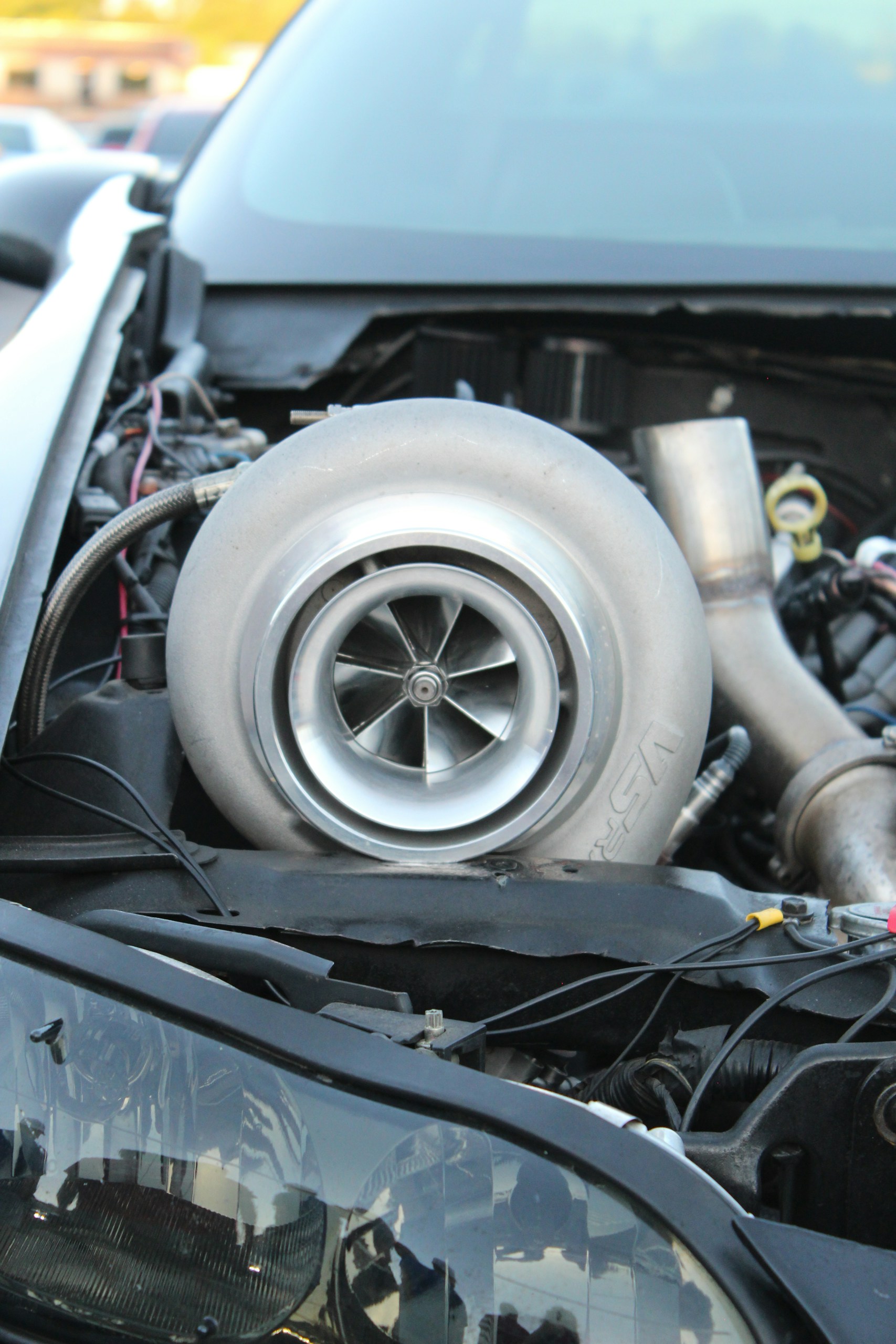
- Turbochargers
- Superchargers
- Engine management software
- Transmission tuning
- Lighting modifications
- Electrical accessories
- Audio system upgrades
- Winches
- Roof racks
- Off-road bumpers
Whether these products actually affect your claim depends on the defect involved.
The Connection Matters
Imagine two different scenarios.
Example One
You install aftermarket floor mats.
Later, your transmission repeatedly slips.
Those floor mats likely have nothing to do with the transmission.
The manufacturer would generally have difficulty arguing that the mats caused the transmission defect.
Example Two
You install an aftermarket transmission tuning program that changes shift pressures.
Several months later, the transmission begins failing.
Now the manufacturer may argue that the aftermarket software altered transmission operation and contributed to the failure.
The facts matter.
Performance Tunes Receive Special Attention
One of the most common issues in modern warranty litigation involves engine or transmission tuning.
Performance software may:
- Increase horsepower.
- Increase torque.
- Raise boost pressure.
- Change shift timing.
- Disable factory safeguards.
Manufacturers frequently examine vehicles for evidence of:
- ECU reprogramming
- Flash tuning
- Deleted software
- Performance calibrations
If a tune changes how the powertrain operates, the manufacturer may argue it contributed to the failure.
Suspension Modifications
Lift kits and lowering kits can also become disputed.
Manufacturers may claim they affected:
- Steering geometry
- Suspension components
- Wheel bearings
- CV axles
- Tire wear
- Alignment
- Electronic stability systems
Whether those arguments are valid depends on the facts of the particular case.
Wheels and Tires
Larger wheels or oversized tires are popular modifications.
Sometimes they have no relationship to the alleged defect.
Other times manufacturers argue they increased stress on:
- Suspension components
- Bearings
- Steering systems
- Driveline components
- Transmission
Again, the question is not whether oversized tires exist.
The question is whether they caused or contributed to the problem.
Electrical Accessories Can Complicate Electrical Cases
Modern vehicles contain dozens of computers communicating across complex networks.
Aftermarket additions such as:
- Alarm systems
- Remote starters
- Dash cameras
- Audio amplifiers
- Auxiliary lighting
- Winches
- GPS systems
may require wiring changes.
If the defect involves electrical problems, the manufacturer may closely examine those installations.
Routine Replacement Parts Usually Raise Fewer Concerns
Many consumers worry because they installed:
- A replacement battery
- Brake pads
- Windshield wipers
- Tires
- Air filters
These routine replacement parts generally do not create major warranty issues unless they actually caused the claimed defect.
For example, installing aftermarket windshield wipers is unlikely to affect a transmission claim.
Independent Mechanics Are Different from Modifications
Consumers often confuse these issues.
Having routine maintenance performed by an independent mechanic is generally different from modifying the vehicle.
Routine maintenance includes:
- Oil changes
- Tire rotations
- Brake service
- Battery replacement
- Fluid changes
Federal law generally protects your right to choose where routine maintenance is performed.
The Manufacturer’s Expert Will Likely Look for Modifications
During a Lemon Law inspection, the manufacturer’s expert commonly documents:
- Lift kits
- Performance parts
- Aftermarket wiring
- ECU programming
- Suspension changes
- Tire sizes
- Wheels
- Engine modifications
- Exhaust systems
This does not necessarily mean your claim is doomed.
It simply means those issues may become part of the expert’s analysis.
Your Expert Will Evaluate Causation Too
The plaintiff’s expert often evaluates the same modifications.
However, your expert may conclude:
- The modification had nothing to do with the failure.
- The manufacturer’s explanation is unsupported.
- The defect existed before the modification.
- The modification could not reasonably have caused the problem.
This is why expert testimony often becomes important.
Don’t Remove Parts Before Litigation
Some consumers attempt to hide modifications.
That is usually a mistake.
Removing components immediately before an inspection may create additional questions.
Instead:
- Tell your attorney about all modifications.
- Be honest with your expert.
- Allow your attorney to determine how those issues should be addressed.
Surprises rarely help litigation.
Always Tell Your Attorney About Modifications
One of the biggest mistakes consumers make is assuming:
“It probably doesn’t matter.”
It might not.
But your attorney needs to know about:
- Tunes
- Lift kits
- Engine work
- Suspension changes
- Aftermarket electronics
- Prior repairs
Good attorneys prefer to address potential issues early rather than be surprised during the manufacturer’s inspection.
Documentation Helps
Keep records showing:
- When modifications were installed.
- Who installed them.
- Receipts.
- Manufacturer instructions.
- Whether problems existed before the modification.
Sometimes these records demonstrate that the defect appeared long before any aftermarket work was performed.
Don’t Assume the Manufacturer Is Right
Manufacturers sometimes argue:
“The aftermarket part caused the problem.”
That does not automatically make it true.
They still need evidence supporting that conclusion.
Your attorney and expert may challenge those opinions through:
- Engineering analysis
- Inspection
- Testing
- Repair history
- Technical literature
- Cross-examination
Frequently Asked Questions
Do aftermarket parts automatically void my warranty?
Generally, no. Under the Magnuson-Moss Warranty Act, manufacturers typically cannot void your entire warranty simply because you installed aftermarket parts or used an independent repair shop.
Can a manufacturer deny warranty coverage because of a modification?
Potentially—but generally only if it can show that the modification caused or contributed to the specific problem for which warranty coverage is sought.
Should I remove aftermarket parts before an inspection?
Not without first discussing it with your attorney. Removing or altering the vehicle may create additional issues and could affect the evidence in your case.
Should I tell my attorney about modifications?
Absolutely. Your attorney should know about every significant modification, repair, or aftermarket product installed on the vehicle so they can properly evaluate the case and prepare for any arguments the manufacturer may raise.
Can I still win a Lemon Law case if my vehicle has modifications?
Yes. Many consumers with modified vehicles successfully pursue Lemon Law or breach of warranty claims. The key issue is often whether the modification actually caused or contributed to the alleged defect.
Common Aftermarket Products and Their Potential Impact
| Aftermarket Product | May Affect a Claim? | Why It Might Matter |
|---|---|---|
| Window tint | Usually no | Rarely related to mechanical defects unless electrical wiring is involved. |
| All-weather floor mats | Usually no | Generally unrelated to warranty defects. |
| Tires | Sometimes | May be relevant to suspension, steering, or alignment issues if size or specifications differ significantly from factory recommendations. |
| Wheels | Sometimes | May affect steering, suspension, or wheel bearing claims depending on size and weight. |
| Lift kit | Often | May affect suspension geometry, steering, and driveline components. |
| Lowering kit | Often | May affect suspension, steering, and alignment. |
| Performance tune (ECU) | Frequently | May alter engine or transmission operation and is commonly scrutinized in powertrain cases. |
| Cold air intake | Sometimes | May become relevant in engine performance or air intake disputes. |
| Exhaust system | Sometimes | May be relevant depending on the defect and whether emissions or engine performance are involved. |
| Remote starter | Sometimes | May become an issue in electrical or security system claims if wiring modifications were required. |
| Audio amplifier or custom electronics | Sometimes | May be examined in electrical system cases due to additional wiring or power demands. |
The Bottom Line
Installing aftermarket parts does not automatically eliminate your Lemon Law or breach of warranty rights. Federal law generally protects consumers from blanket warranty denials based solely on the presence of aftermarket products or independent repairs.
That said, modifications can become an important issue if the manufacturer claims they caused or contributed to the defect. In those situations, the focus shifts from whether the vehicle was modified to whether the modification actually caused the failure at the heart of the lawsuit.
If your vehicle has been modified and you’re considering a Lemon Law or breach of warranty claim, be completely honest with your attorney about every aftermarket part, tune, or repair. With proper preparation, expert analysis, and documentation, many consumers with modified vehicles successfully pursue warranty claims. The key is understanding the role those modifications may play—and addressing them before they become an unexpected issue in litigation.