If you’ve filed a Lemon Law or breach of warranty lawsuit, you may hear your attorney mention hiring an automotive expert or expert witness.
Many consumers immediately assume that means someone will tear apart the vehicle looking for the defect.
Not necessarily.
In some cases, the plaintiff’s expert may never physically inspect the vehicle at all. Instead, the expert’s opinions may be based almost entirely on the vehicle’s repair history, warranty records, technical service bulletins, manufacturer documents, and other evidence.
In other cases, however, a detailed physical inspection of the vehicle may be one of the most important events in the lawsuit.
Understanding the difference helps explain why your attorney may ask you to keep your vehicle, preserve repair records, and avoid making modifications while your case is pending.
What Is an Expert Witness?
An expert witness is someone with specialized knowledge, training, education, or experience that allows them to offer opinions beyond those of an ordinary witness.
In a Lemon Law or breach of warranty case, an automotive expert may have experience as a:
- Manufacturer engineer
- Master technician
- ASE-certified technician
- Automotive engineer
- Vehicle design specialist
- Mechanical engineer
- Electrical systems expert
- Hybrid or electric vehicle specialist
- Accident reconstructionist (in some cases)
Unlike a fact witness, an expert is permitted to explain technical issues and offer professional opinions to the court.
Why Does the Plaintiff Need an Expert?
Vehicle defect cases often involve highly technical issues.
The average juror is unlikely to know:
- Why a transmission continues to slip after multiple repairs.
- Whether repeated software updates should have solved the problem.
- Whether an engine failure indicates a manufacturing defect.
- Whether repeated repair attempts were reasonable.
- Whether the manufacturer’s diagnosis complied with industry standards.
An expert helps translate those technical issues into understandable language.
Two Different Types of Expert Evaluations
Generally speaking, plaintiff’s experts perform one—or both—of the following:
1. Document Review
2. Vehicle Inspection
Not every case requires both.
Document Review Cases
Many Lemon Law cases are won based primarily on documentation.
The expert may review:
- Purchase agreement
- Warranty booklet
- Repair orders
- Warranty claims
- Dealer technician notes
- Manufacturer communications
- Technical Service Bulletins (TSBs)
- Recall information
- Diagnostic reports
- Customer complaints
- Rental vehicle records
- Tow invoices
Using those materials, the expert may evaluate whether:
- The defect was repeatedly reported.
- The same condition continued despite repairs.
- The manufacturer followed proper repair procedures.
- The repair history demonstrates an unreasonable number of repair attempts.
- The manufacturer had a reasonable opportunity to repair the defect.
Sometimes this documentary evidence alone is sufficient to support the expert’s opinions.
Why Document Review Alone Can Be Enough
Suppose the repair history shows:
- Six transmission repair attempts.
- Three software updates.
- Two valve body replacements.
- Multiple customer complaints describing identical symptoms.
An experienced expert may conclude:
The repair history itself demonstrates that the manufacturer repeatedly attempted—but failed—to permanently correct the defect.
In some cases, physically inspecting the vehicle adds little additional information.
Vehicle Inspection Cases
Other cases require much more.
The expert may physically inspect the vehicle to:
- Confirm the reported defect.
- Observe how the vehicle operates.
- Conduct test drives.
- Retrieve diagnostic information.
- Review electronic data.
- Photograph defective components.
- Record noises or vibrations.
- Evaluate prior repairs.
- Determine whether repairs complied with manufacturer procedures.
Vehicle inspections become especially important when:
- The manufacturer disputes the existence of the defect.
- The defect remains present.
- The condition is observable.
- The manufacturer claims the vehicle now operates normally.
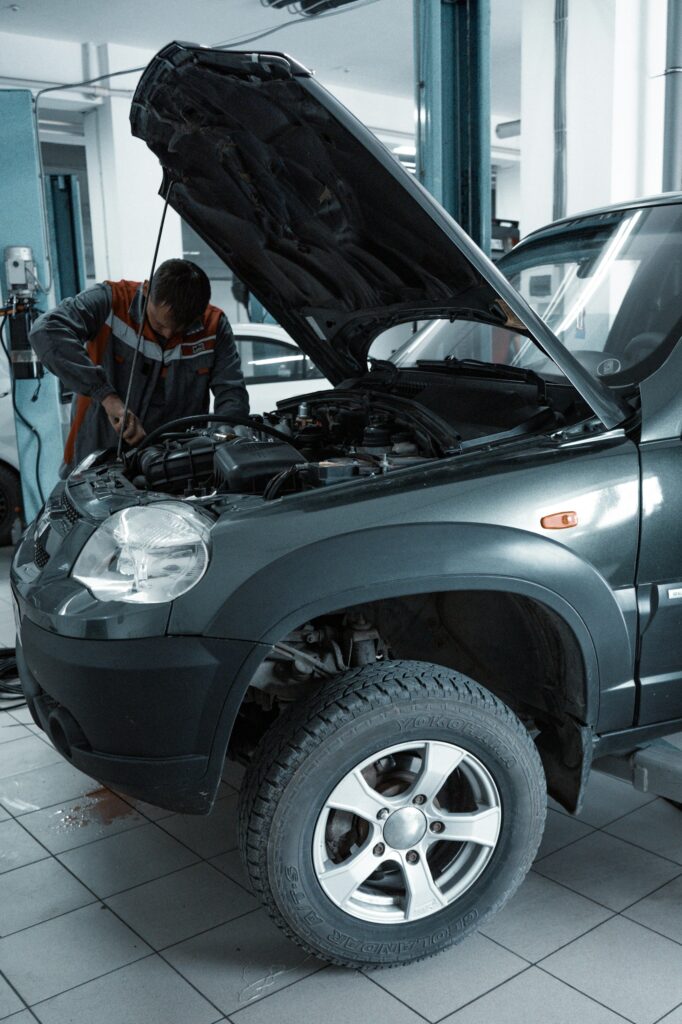
What Happens During a Vehicle Inspection?
A typical inspection may include:
Exterior Inspection
The expert may examine:
- Body condition
- Tire wear
- Fluid leaks
- Accident damage
- Modifications
Interior Inspection
This may include:
- Dashboard warning lights
- Infotainment system
- HVAC controls
- Driver assistance features
- Interior electronics
Mechanical Inspection
The expert may inspect:
- Engine
- Transmission
- Suspension
- Steering
- Brakes
- Cooling system
- Electrical components
Computer Diagnostics
Modern vehicles contain dozens of computers.
The expert may download:
- Diagnostic Trouble Codes (DTCs)
- Freeze-frame data
- Software versions
- Module information
- Sensor data
- Battery history (for EVs)
Road Test
Many defects only appear while driving.
The expert may attempt to duplicate complaints involving:
- Rough shifting
- Stalling
- Hesitation
- Vibrations
- Steering pull
- Brake pulsation
- Wind noise
- Suspension noises
- Electronic failures
Why Doesn’t Every Case Require an Inspection?
Sometimes the defect has already been repaired.
Sometimes the evidence already proves the claim.
For example:
Suppose a vehicle spent 75 days in the dealership during the first year of ownership.
Even if the defect has finally been repaired, the repair history itself may demonstrate a breach of warranty.
In that situation, inspecting the vehicle may not significantly change the case.
Why Your Attorney May Tell You to Keep the Vehicle
Many consumers ask:
“Why can’t I just sell it?”
The answer is simple.
If your expert needs to inspect the vehicle later, it must still exist in substantially the same condition.
Selling or trading in the vehicle may prevent:
- Plaintiff inspection.
- Manufacturer inspection.
- Joint inspections.
- Additional testing.
That’s one reason attorneys often advise clients to keep the vehicle until the case concludes.
The Manufacturer Usually Has Its Own Expert
In most litigated Lemon Law cases, the manufacturer also hires an expert.
The defense expert may:
- Inspect the vehicle.
- Review repair records.
- Test drive the vehicle.
- Download diagnostic information.
- Review maintenance history.
The defense expert often attempts to show:
- No defect exists.
- Repairs were successful.
- The vehicle operates normally.
- Customer misuse caused the problem.
- Aftermarket modifications caused the issue.
- Normal characteristics were mistaken for defects.
Plaintiff and Defense Experts Often Inspect Together
Many courts require a coordinated vehicle inspection.
During these inspections:
- Both sides attend.
- Both experts inspect the vehicle.
- Testing may be observed by all parties.
- Photographs are taken.
- Diagnostic data is preserved.
These inspections help ensure neither side unfairly alters or destroys evidence.
What Does the Plaintiff’s Expert Actually Look For?
Every case is different, but experts commonly evaluate:
- Whether repairs addressed the actual complaint.
- Whether replacement parts were defective.
- Whether software updates solved the issue.
- Whether repairs followed manufacturer procedures.
- Whether the defect continues.
- Whether symptoms substantially impair use, value, or safety.
- Whether the vehicle meets manufacturer specifications.
- Whether the repair history demonstrates repeated unsuccessful repairs.
The Expert May Also Review Manufacturer Documents
In addition to repair orders, experts frequently review:
- Technical Service Bulletins
- Engineering change notices
- Warranty policies
- Recall campaigns
- Customer satisfaction programs
- Internal repair procedures
- Manufacturer service manuals
These materials often explain:
- Known defects.
- Updated repair procedures.
- Revised replacement parts.
- Engineering changes.
Do Experts Always Agree?
No.
In fact, disagreement is common.
For example:
The plaintiff’s expert may conclude:
The repeated transmission failures demonstrate a manufacturing defect that the manufacturer failed to repair despite numerous opportunities.
The manufacturer’s expert may conclude:
The transmission operates within normal specifications and no defect currently exists.
Resolving those conflicting opinions is often one of the central issues in the lawsuit.
Can a Case Be Won Without an Expert?
Sometimes.
Certain Lemon Law cases rely primarily on:
- Repair history.
- Days out of service.
- Statutory presumptions.
However, many breach of warranty cases—particularly those involving disputed technical issues—benefit significantly from qualified expert testimony.
Whether an expert is necessary depends on the facts, the applicable law, and the litigation strategy.
What Can You Do to Help Your Expert?
You can strengthen your case by:
- Keeping every repair order.
- Preserving maintenance records.
- Avoiding major modifications.
- Continuing routine maintenance.
- Taking photos and videos of recurring problems.
- Keeping a log of symptoms.
- Preserving text messages and emails with the dealership.
- Following your attorney’s instructions regarding inspections.
The more complete your documentation, the easier it is for your expert to evaluate the case.
Frequently Asked Questions
Does every Lemon Law case require an expert witness?
No. Some cases are resolved based primarily on repair records, warranty documentation, and statutory presumptions. Others require expert testimony because the manufacturer disputes the existence or cause of the defect.
What is the difference between a document review and a vehicle inspection?
A document review focuses on repair orders, warranty records, dealership notes, and other documents. A vehicle inspection involves physically examining and testing the vehicle to evaluate the alleged defect.
Can the manufacturer’s expert inspect my vehicle?
Yes. In litigated cases, the manufacturer often requests an opportunity to inspect the vehicle through its own expert. These inspections are commonly coordinated between the parties.
Should I repair the vehicle before the expert sees it?
Continue presenting warranty-related defects to an authorized dealership and follow your attorney’s advice. Do not make major repairs outside the warranty process or modify the vehicle without discussing it with your attorney.
Why is my attorney telling me not to sell the vehicle?
The vehicle itself may be critical evidence. Selling or trading it before inspections are completed could make it much more difficult to prove your claims and may prevent experts from evaluating the alleged defects.
The Bottom Line
The plaintiff’s expert plays a critical role in many Lemon Law and breach of warranty cases by helping explain complex automotive issues in a way that judges and juries can understand. Depending on the circumstances, that role may involve nothing more than a careful review of repair records and warranty documents—or it may require a comprehensive inspection and testing of the vehicle itself.
Whether your expert conducts only a document review or performs a physical inspection depends on the facts of the case, the nature of the alleged defects, and the issues disputed by the manufacturer. Regardless of the approach, the expert’s goal is the same: to evaluate whether the manufacturer failed to repair the vehicle within a reasonable number of attempts and whether the evidence supports your legal claims.
If your vehicle is the subject of a Lemon Law or breach of warranty case, preserve it carefully, continue documenting any recurring problems, and follow your attorney’s guidance regarding inspections. Those steps can help ensure that both your expert and the court have the evidence needed to fully evaluate your claim.