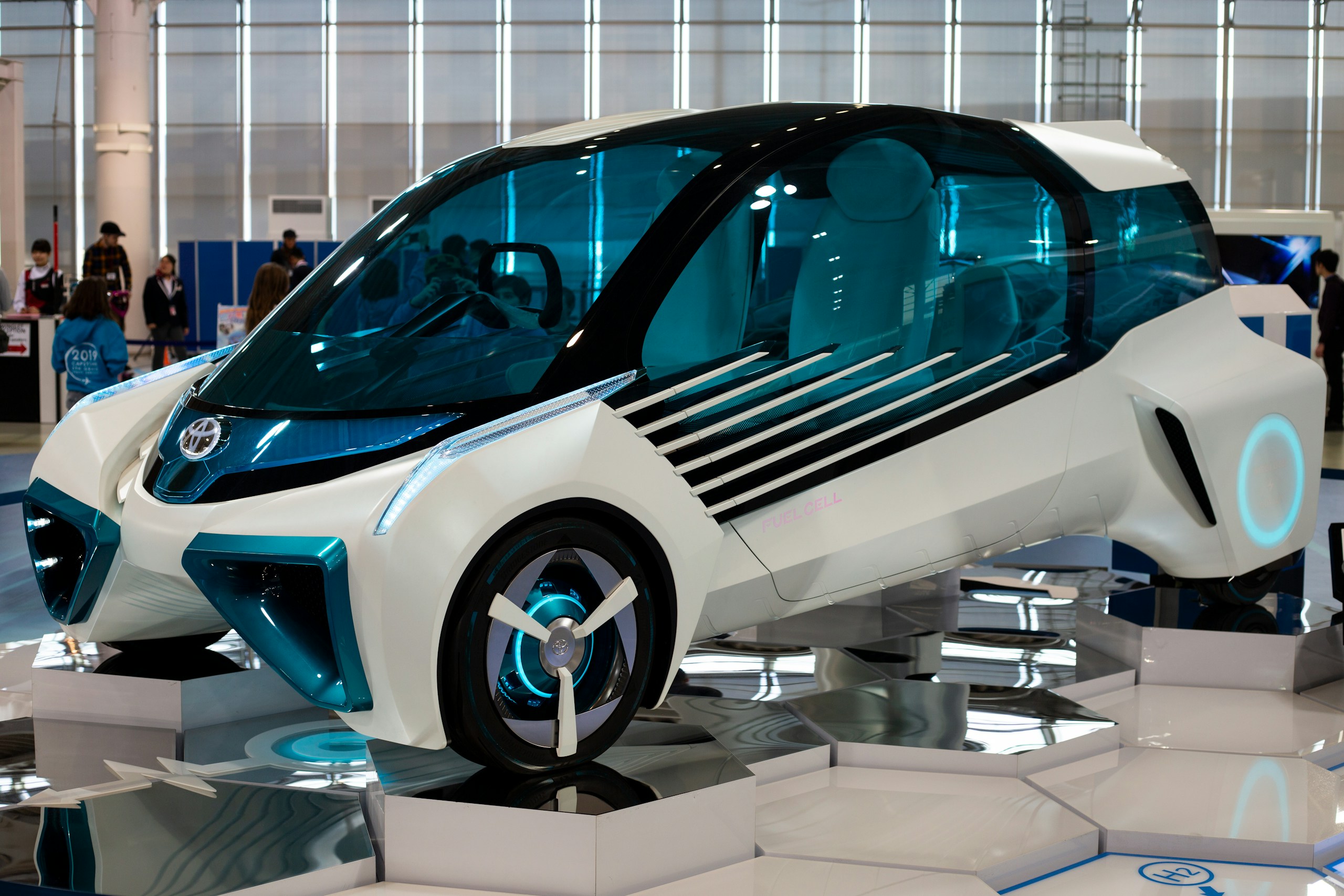
As manufacturers like BMW invest in hydrogen-powered vehicles, consumers should understand their warranty rights before embracing the next generation of automotive technology.
Electric vehicles have dominated automotive headlines for years, but they may not be the only future of transportation.
Manufacturers continue investing billions of dollars into battery-electric vehicles, yet several automakers—including BMW—are also exploring another promising technology: hydrogen fuel-cell vehicles.
BMW recently showcased its BMW iX5 Hydrogen, demonstrating the company’s continued commitment to researching alternative fuel technologies alongside its growing electric vehicle lineup. While hydrogen-powered vehicles remain relatively uncommon in the United States, many experts believe they could eventually play an important role in the future of transportation, particularly for commercial fleets and drivers seeking faster refueling times.
As exciting as these technological advances may be, they also raise an important legal question:
Are consumers protected if this new technology doesn’t work as expected?
The answer is generally yes.
Whether your vehicle runs on gasoline, electricity, diesel, or hydrogen, manufacturers still have legal obligations to stand behind their products and honor applicable warranties.
What Is a Hydrogen Fuel-Cell Vehicle?
Unlike a traditional gasoline-powered vehicle, a hydrogen fuel-cell vehicle generates electricity onboard.
Instead of plugging into a charging station, drivers refill a hydrogen tank much like fueling a conventional vehicle.
Inside the vehicle, hydrogen combines with oxygen in a fuel cell to produce electricity, which powers the electric motor.
The only direct byproduct is water vapor.
Potential advantages include:
- Zero tailpipe emissions
- Fast refueling
- Quiet operation
- Electric driving performance
- Long driving range
While the technology has tremendous potential, widespread adoption still depends on infrastructure, cost, and continued technological development.
New Technology Brings New Questions
Whenever manufacturers introduce new technology, consumers naturally have questions.
For hydrogen vehicles, those questions often include:
- Where can I refuel?
- How long will repairs take?
- Are technicians specially trained?
- Will replacement parts be readily available?
- What happens if the fuel-cell system fails?
- How long is the warranty?
These are reasonable concerns.
Consumers should understand not only how a vehicle operates but also how it will be serviced if problems arise.
Innovation Doesn’t Mean Consumers Lose Their Rights
Sometimes consumers assume that because a vehicle uses cutting-edge technology, they simply have to accept occasional problems.
That’s not how consumer protection laws work.
While manufacturers deserve a reasonable opportunity to repair defects, consumers still have the right to expect that a new vehicle will perform as represented and that warranty-covered problems will be repaired within a reasonable period.
Being an early adopter shouldn’t mean giving up your legal protections.
Hydrogen Vehicles Still Come With Warranties
Like other new vehicles, hydrogen-powered vehicles are typically sold with manufacturer warranties covering various vehicle components.
Depending on the manufacturer, warranty coverage may include:
- Fuel-cell components
- Electric drivetrain
- High-voltage systems
- Vehicle electronics
- Powertrain components
- Corrosion protection
- Basic bumper-to-bumper coverage
Consumers should carefully review warranty documents before purchasing any new technology vehicle.
Ask questions such as:
- How long is the warranty?
- What components are covered?
- Are there exclusions?
- Are replacement parts readily available?
- Is roadside assistance included?
Understanding these terms before purchase can prevent confusion later.
What Happens If Parts Aren’t Available?
One concern involving newer automotive technology is parts availability.
If a specialized hydrogen component fails, replacement parts may not always be immediately available.
Consumers sometimes experience:
- Extended repair delays
- Parts backorders
- Limited repair facilities
- Specialized technician shortages
Even if a manufacturer is acting in good faith, prolonged repair delays can create significant inconvenience for vehicle owners.
Depending on the circumstances, lengthy repair delays may become relevant when evaluating warranty or lemon law rights.
Can a Hydrogen Vehicle Qualify as a Lemon?
In many cases, yes.
State lemon laws generally focus on the nature of the defect—not the type of fuel powering the vehicle.
Although requirements vary by state, many lemon laws protect consumers when:
- A substantial defect exists.
- The manufacturer has been given a reasonable opportunity to repair it.
- The defect substantially affects the vehicle’s use, value, or safety.
- The vehicle remains out of service for an excessive period because of repairs.
Whether the problem involves an engine, battery, fuel-cell system, or software, the legal analysis is often similar.
Software Plays an Increasingly Important Role
Modern hydrogen vehicles rely heavily on sophisticated software.
Vehicle systems may control:
- Fuel-cell management
- Battery performance
- Safety monitoring
- Energy distribution
- Driver assistance systems
- Navigation
- Charging and power management
As vehicles become more computerized, software-related defects are becoming increasingly common across the automotive industry.
Repeated software failures deserve the same attention as repeated mechanical failures.
Keep Detailed Records
Documentation remains one of the most important tools available to consumers.
If your vehicle repeatedly develops problems, save:
- Repair orders
- Service invoices
- Warranty paperwork
- Emails with the dealership
- Warning messages
- Mobile app notifications
- Photographs
- Videos
- Notes describing when the problem occurs
These records help establish the history of recurring defects if legal issues arise.
The Magnuson-Moss Warranty Act May Also Apply
Many consumers are familiar with state lemon laws but have never heard of the Magnuson-Moss Warranty Act.
This federal law generally requires manufacturers to honor written warranties.
If warranty-covered defects cannot be successfully repaired, consumers may have additional legal remedies under federal law.
Unlike many state lemon laws, Magnuson-Moss protections may also apply to certain used vehicles that remain covered by a manufacturer’s warranty.
Questions to Ask Before Buying Emerging Technology
If you’re considering a hydrogen-powered vehicle—or any vehicle featuring new technology—consider asking:
- How many certified repair facilities are nearby?
- Where is the closest hydrogen fueling station?
- What happens if the vehicle needs specialized repairs?
- How long are replacement parts expected to take?
- Are software updates performed over the air?
- What warranty protections apply?
An informed consumer is better prepared to make a confident purchasing decision.
The Future Looks Bright—But Consumers Still Deserve Protection
Hydrogen technology has the potential to become an important part of tomorrow’s transportation system.
Manufacturers like BMW continue investing in cleaner transportation, and those innovations may ultimately benefit consumers and the environment alike.
At the same time, technological progress should never come at the expense of consumer protection.
Whether you’re purchasing the latest hydrogen-powered SUV or a traditional gasoline vehicle, you deserve a product that performs safely, reliably, and in accordance with the manufacturer’s promises.
The Bottom Line
Hydrogen-powered vehicles represent an exciting step forward in automotive innovation, and manufacturers such as BMW are investing heavily in developing cleaner transportation technologies. As these vehicles become more common, consumers should understand that the same basic legal principles that protect buyers of traditional vehicles generally apply to emerging technologies as well.
If your new vehicle repeatedly experiences warranty-covered problems that cannot be repaired after a reasonable number of attempts—or spends an excessive amount of time out of service—you may have important rights under your state’s lemon law and the federal Magnuson-Moss Warranty Act.
Ginsburg Law Group, P.C. represents consumers in warranty and lemon law claims involving traditional vehicles, electric vehicles, hybrids, and other emerging automotive technologies. If your new vehicle isn’t living up to its promises, our team can help you understand your rights and determine whether legal remedies may be available.