

Gift cards are about to fly off the racks for Black Friday and the holidays. They’re an easy gift, but they come with two problems most shoppers never think about: the fine print (expiration dates, inactivity fees, leftover balances) and the scammers who have made gift cards one of their favorite ways to get paid.
Federal law: the money on most gift cards lasts at least five years
Since the Credit CARD Act of 2009, federal law has limited expiration dates and fees on most gift cards. The rules are in the Electronic Fund Transfer Act (15 U.S.C. § 1693l-1) and the Consumer Financial Protection Bureau’s Regulation E (12 C.F.R. § 1005.20). They cover store gift cards, gift certificates and general-use prepaid gift cards (like Visa or Mastercard gift cards).
- Funds can’t expire for at least five years. The money on the card can’t expire sooner than five years after the card was issued, or five years after money was last loaded onto it, whichever is later.
- The plastic can expire, but the money doesn’t have to. If the card itself expires before the funds do, the card must say so and give a toll-free number for a replacement. The issuer can’t charge you for a replacement card or for getting your remaining balance before the funds expire, unless the card was lost or stolen.
- Inactivity fees are limited. A dormancy, inactivity or service fee is allowed only after a full year with no activity on the card, no more than one such fee can be charged in a calendar month, and the card must clearly disclose the fee amount, how often it can be charged and that it’s triggered by inactivity.
Some cards aren’t covered by these federal rules, including loyalty, award and promotional cards (the “free $10 card when you spend $50” type), reloadable cards that aren’t marketed as gift cards, and paper-only certificates.
California: no expiration dates, and cash back for balances under $15
California’s gift card law (Civil Code § 1749.5) is much stronger than federal law:
- No expiration dates and no service fees on gift cards sold in California, with one narrow exception for a dormancy fee: the balance must be $5 or less, the fee can’t be more than $1 a month, the card must have had no activity for 24 months, it must be reloadable, and the fee must be printed on the card.
- Cash back for small balances. If your gift card has less than $15 left on it, you can ask for the balance in cash. That threshold rose from $10 to $15 on April 1, 2026, so if a cashier tells you the limit is $10, it’s out of date.
- Limited exceptions. The no-expiration rule doesn’t apply to free promotional or loyalty cards, certain cards sold at a discount to employers or charities, or cards for perishable food, if the expiration date is printed in capital letters on the front. Under Civil Code § 1749.45, bank-issued cards usable at many unrelated stores (like Visa or Mastercard gift cards) are also outside the California rule if any expiration date is printed on the card, but federal law still applies to them.
Florida: no expiration dates and no after-sale fees on store gift cards
Florida Statutes § 501.95 says a gift certificate or gift card purchased in Florida, and a store credit issued for returned merchandise, may not have an expiration date or any after-sale fee, including service charges, dormancy fees, account maintenance fees or cash-out fees. There are narrow exceptions: charitable gift cards can expire after at least 3 years, employee-incentive cards after at least 1 year, and free loyalty or promotional cards can carry an expiration date. The Florida rule doesn’t apply to cards issued by banks or money services businesses that work at many unaffiliated merchants, so a Visa or Mastercard gift card bought in Florida falls back on the federal five-year rule.
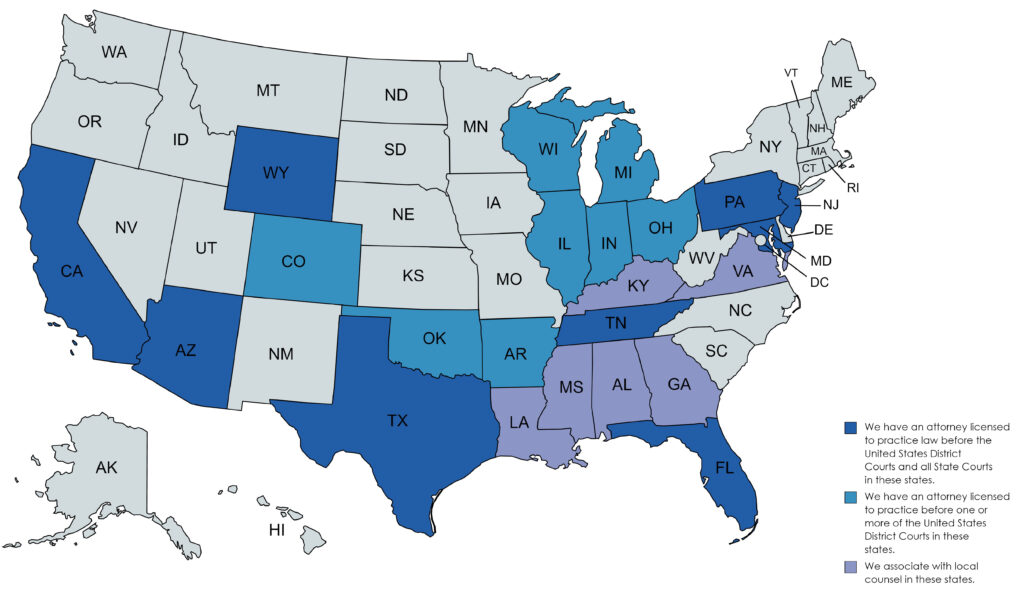
Other states where we practice, including Pennsylvania, New Jersey, Maryland, Texas, Arizona and Tennessee, have their own rules on gift cards and unused balances. The federal five-year protection applies everywhere, so it’s the floor no matter where you live.
The biggest gift card danger: scammers who want to be paid with one
The Federal Trade Commission puts it bluntly: “Only scammers will tell you to buy a gift card, like a Google Play or Apple Card, and give them the numbers off the back of the card. No matter what they say, that’s a scam.” According to the FTC, the most common stories are:
- A caller claiming to be from the IRS, Social Security or even the FTC who says you owe a tax or fine
- “Tech support” claiming your computer has a problem
- A relative or friend with a secret emergency (voice cloning can make the caller sound like someone you know)
- A prize “win” that requires you to pay fees first
- A utility threatening to cut off your power today
- An online romantic interest who needs money
- A check for more than you expected, with instructions to send back “the difference” on gift cards
The FTC also warns that scammers often tell you exactly which card to buy and which store to go to, may tell you to spread the purchases across several stores so cashiers don’t get suspicious, and may stay on the phone with you while you buy the cards. Once they have the card number and PIN, they can drain the money even though you still have the card in your hand. These scams hit older adults especially hard. We’ve written about government-imposter scams that target seniors and about refunds for people who lost money to scams paid by money transfer.
What to do now
- Inspect cards before you buy them. The FTC recommends making sure the protective stickers are intact, that nothing looks tampered with and that the PIN on the back isn’t showing. If something looks off, pick another card and show the damaged one to a cashier.
- Buy from stores you know. The FTC warns that gift cards sold on online auction sites may be fake or stolen.
- Photograph the card and keep the receipt. You’ll need both if the card is lost, drained or used in a scam.
- Read the back of the card for fee or expiration disclosures, especially on promotional cards, and in California ask for cash if the balance is under $15.
- If you paid a scammer with a gift card, act fast. Call the gift card company right away, no matter how long ago it happened, and ask for your money back. Some companies, including Apple and Google Play, may be able to freeze money that’s still on the card. Then report it at ReportFraud.ftc.gov.
- Talk to older family members now. One simple rule protects people: no real business or government agency will ever demand payment by gift card.
- Report a store that ignores the rules to your state attorney general’s consumer protection office.
Ginsburg Law Group helps consumers fight back against unfair business practices, scams and the debt problems that often follow them. If you or a family member lost money to a scam, or a business won’t honor your rights, contact us for a review of your situation.
This article is for general informational purposes only and is not legal advice. Gift card laws vary by state and by the type of card, and some cards are excluded from the rules described here. Consult a licensed attorney about your specific situation.
Authoritative Sources
- 15 U.S.C. § 1693l-1, General-use prepaid cards, gift certificates, and store gift cards (Cornell LII)
- 12 C.F.R. § 1005.20, Requirements for gift cards and gift certificates (Cornell LII)
- California Civil Code § 1749.5 (California.Public.Law)
- California Civil Code § 1749.45 (California.Public.Law)
- Florida Statutes § 501.95, Gift certificates and credit memos (Online Sunshine)
- FTC Consumer Advice: Avoiding and Reporting Gift Card Scams
- Report fraud to the FTC