
A significant Supreme Court decision has changed how federal courts evaluate certain Telephone Consumer Protection Act claims.
In McLaughlin Chiropractic Associates, Inc. v. McKesson Corp., decided June 20, 2025, the Supreme Court addressed whether federal district courts must follow the Federal Communications Commission’s interpretations of the TCPA.
The decision may have important consequences for consumers and businesses involved in TCPA litigation.
What Was the Case About?
The dispute involved unsolicited fax advertisements and the interpretation of the TCPA’s restrictions on fax advertising.
The FCC had previously issued an interpretation addressing whether online fax services qualified as telephone facsimile machines under the statute.
The lower courts treated that interpretation as binding.
The Supreme Court examined whether that approach was legally required.
What Did the Supreme Court Decide?
The Court held that federal district courts deciding civil TCPA enforcement cases are not automatically bound by the FCC’s interpretations of the statute under the Hobbs Act.
Instead, courts must independently determine the meaning of the TCPA using ordinary principles of statutory interpretation while giving appropriate respect to agency interpretations.
This ruling changes how certain disputes over the statute’s meaning may be resolved.
Does This Mean FCC Rules No Longer Matter?
No.
The decision does not eliminate the FCC’s authority to issue regulations or automatically invalidate existing TCPA rules.
It addresses how courts evaluate agency interpretations of statutory language in civil enforcement proceedings.
The distinction between a statutory interpretation and a valid substantive regulation can be important.
Why Does This Matter for Robocall and Text Message Cases?
TCPA litigation frequently involves questions about:
- What constitutes a prohibited telephone call.
- Whether a particular communication is covered by the statute.
- Whether a consumer provided valid consent.
- Which technologies fall within statutory restrictions.
- Whether a particular claim supports a private lawsuit.
Following McLaughlin, parties may have additional opportunities to challenge or defend interpretations of the TCPA’s statutory language.
Does the TCPA Still Allow Consumers to Recover Damages?
Yes.
The TCPA continues to provide private remedies for qualifying violations.
Certain claims may support statutory damages of $500 per violation, with potential trebling for willful or knowing violations.
However, the availability of damages depends on the statutory provision, the nature of the alleged violation, and the evidence.
What Should Consumers Do?
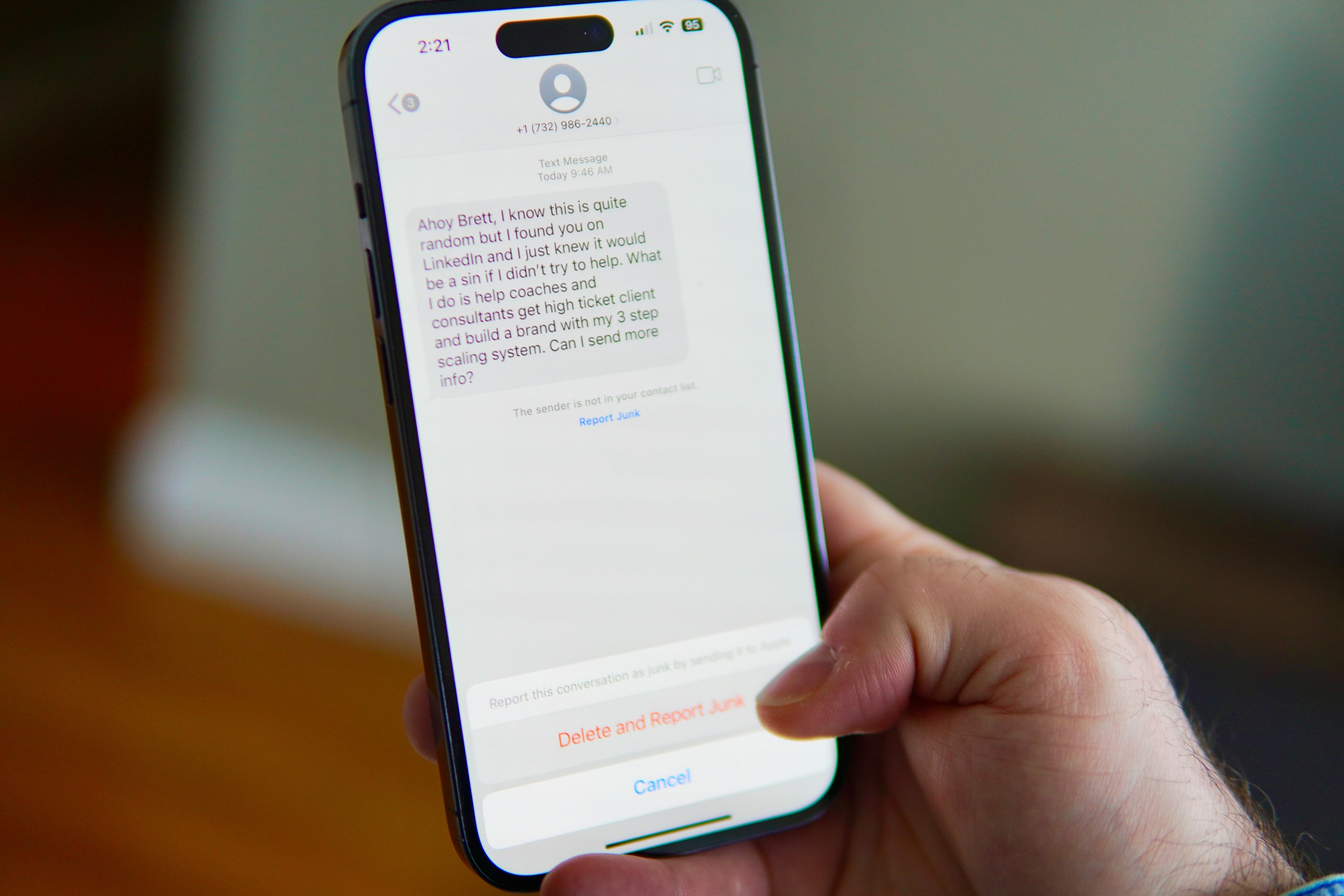
Consumers should continue preserving evidence of unwanted communications.
Call logs, text messages, prerecorded voicemails, consent records, and opt-out requests can be important in determining whether a viable claim exists.
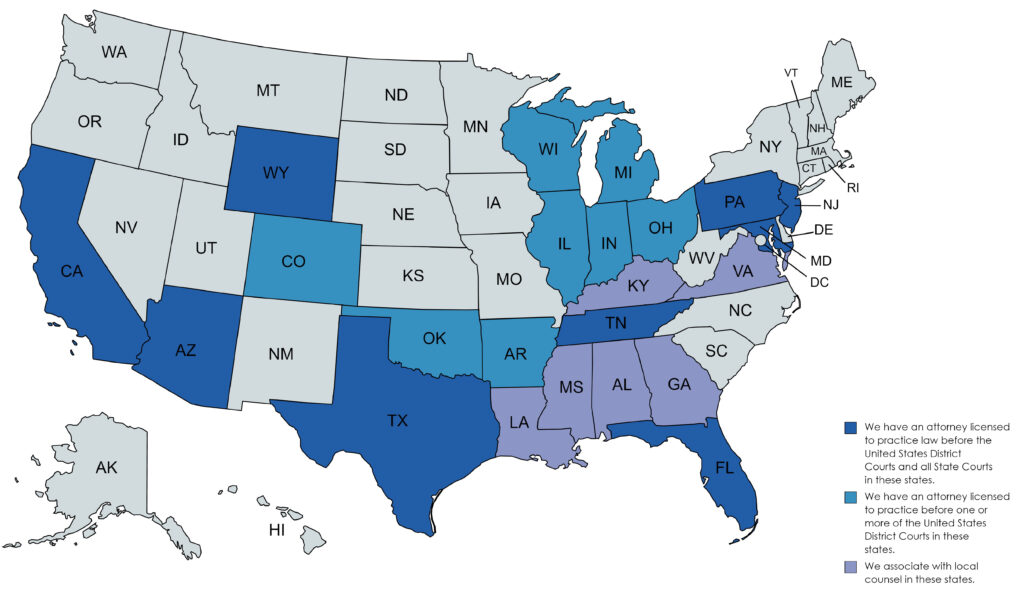
Because courts may differ in their interpretation of particular TCPA provisions, legal analysis should account for the controlling jurisdiction.
Contact Ginsburg Law Group
Ginsburg Law Group represents consumers in matters involving telephone privacy and federal consumer protection statutes.
If you have received repeated unwanted telemarketing calls, prerecorded messages, or automated texts, our firm can evaluate whether you may have legal remedies.
Visit www.ginsburglawgroup.com to learn more.
Attorney Advertising. General legal information only. Prior results do not guarantee a similar outcome.