

Gerber is the best-known name in baby food. Its labels tell parents its food is “rigorously tested,” that every jar passes “over 100 quality checks,” and that it is “leading the way in quality and testing standards for baby.” The State of Texas now says those promises were deceptive.
On October 14, 2026, Texas Attorney General Ken Paxton announced a lawsuit against Gerber Products Company and its parent company’s U.S. operating arm, Nestlé USA, Inc. The State’s verified petition was filed on October 9 in the district court of Collin County, Texas (Cause No. 494-08253-2026). It brings claims under the Texas Deceptive Trade Practices Act (DTPA) and asks for a jury trial. These are allegations. Gerber and Nestlé have not had their day in court, and nothing has been proven.
What Texas alleges
According to the petition, Gerber’s own internal testing from 2017 through 2019 showed:
- 67 batches of rice flour with more than 90 parts per billion (ppb) of inorganic arsenic. That’s more than nine times the federal limit for arsenic in bottled water (10 ppb).
- Sweet potatoes with up to 48 ppb of lead, nearly 10 times the 5 ppb bottled-water limit.
- Carrots with up to 87 ppb of cadmium, about 17 times the 5 ppb bottled-water limit.
- Little or no testing for mercury, and for most of that period, testing of selected ingredients rather than the finished food a baby actually eats.
Those internal documents became public in 2021, when a U.S. House subcommittee published them. Texas says Gerber’s conduct after that confirms the deception was knowing. In 2021, a state public-health laboratory (Alaska’s, according to the Attorney General) found two samples of Gerber infant rice cereal above the only federal arsenic limit that existed at the time, 100 ppb. Beech-Nut, whose cereal tested lower on average, recalled its product and left the infant rice cereal business. Gerber, the petition says, issued no recall, no warning and no disclosure. It has recalled products over the years for glass, plastic and choking hazards, but never for heavy metals.
The petition also takes aim at Gerber’s newer QR codes. Gerber now posts heavy-metal test results that parents can reach by scanning a code on the back of the package. Texas argues that doesn’t fix anything: the metal levels didn’t change, the safety claims on the front of the package didn’t change, and the information isn’t in front of the parent when they decide to buy. In the Attorney General’s words, “A code on the back of the jar does not cure a false promise on the front.”
What Texas is asking the court to do
- Stop the safety claims unless they’re true. Texas wants an order barring Gerber from calling its baby food safe, clean, pure, rigorously tested or pediatrician-recommended unless the finished product tests at or below 10 ppb inorganic arsenic, 5 ppb lead, 5 ppb cadmium and 2 ppb mercury (15 ppb arsenic and 10 ppb lead and cadmium for infant cereal). Those are the federal limits for bottled or drinking water and the levels Congress proposed for baby food in the Baby Food Safety Act of 2021, which did not become law.
- Test finished products and tell Texans the results.
- Corrective notice to Texas purchasers, directly and at the point of sale, disclosing the heavy-metal levels Gerber’s own testing found.
- Civil penalties of up to $10,000 per violation under DTPA Section 17.47(c)(1). Texas says the total exceeds $10 million.
- Restitution of money obtained through the alleged deception, including any premium charged for products marketed as purer or more rigorously tested.
Why this matters beyond Texas
There is still no binding federal limit on heavy metals in most baby food. The FDA’s “Closer to Zero” program issued final guidance on lead in processed baby food in January 2025, but guidance isn’t a regulation, and limits for arsenic, cadmium and mercury are still in development. That gap is why state consumer-protection laws matter. They don’t require the government to prove a product was unsafe. They ask a simpler question: did the company tell consumers the truth?
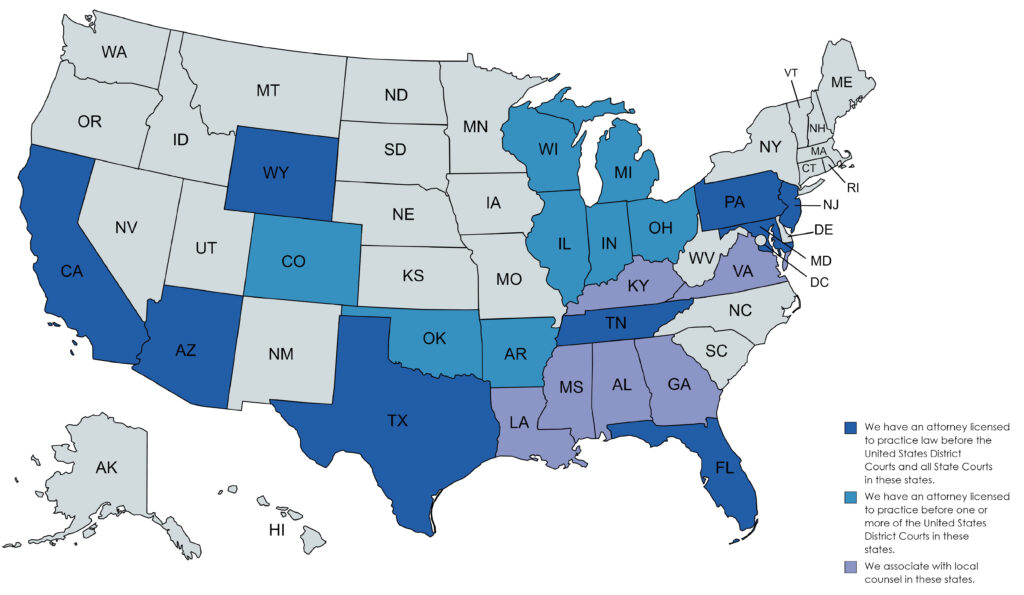
That’s the theory behind this case, and it is a theory every state can use. Texas has the DTPA. Pennsylvania has the Unfair Trade Practices and Consumer Protection Law. New Jersey has the Consumer Fraud Act. California, Florida, Maryland, Tennessee and Arizona all have their own deceptive-practices statutes. A ruling that “rigorously tested” marketing can be deceptive when the testing found high metal levels would be a roadmap for other states and for private consumers.
What parents can do now
- Don’t panic, and don’t throw out your pantry based on one headline. Talk with your pediatrician about your child’s diet and whether a blood lead test makes sense. Pediatric groups generally recommend a variety of foods rather than relying heavily on rice-based products.
- Scan the QR code on any baby food package and look at the actual test results for the specific batch.
- Keep your receipts and packaging. If the State wins restitution or corrective notice, or if private claims follow, proof of purchase matters.
- Texans can file a complaint with the Attorney General’s Consumer Protection Division.
- Know your private rights. Texas consumers who relied on false or misleading claims may have their own DTPA claims, which require a written notice to the company at least 60 days before suing and generally must be brought within two years. Other states have their own rules and deadlines.
If you’ve already bought a product you believe was contaminated, our guide on what to do after buying a contaminated consumer product walks through the next steps.
Ginsburg Law Group represents consumers harmed by deceptive marketing and unfair business practices in Texas, Pennsylvania, New Jersey, Maryland, California and other states. If a company’s promises about a product you bought didn’t match the truth, contact us for a review.
This article is for general informational purposes only and is not legal advice. The allegations in State of Texas v. Gerber Products Co. and Nestlé USA, Inc. have not been proven, and the defendants are entitled to contest them. Consult a licensed attorney and your child’s pediatrician about your specific situation.
Authoritative Sources
- Texas Attorney General press release: Attorney General Ken Paxton Sues Major Baby Food Companies Gerber and Nestlé (Oct. 14, 2026)
- Texas’s Verified Original Petition, State of Texas v. Gerber Products Co. and Nestlé USA, Inc., No. 494-08253-2026 (Collin County Dist. Ct., filed Oct. 9, 2026)
- Texas Business & Commerce Code ch. 17 (DTPA), including § 17.47
- FDA: Closer to Zero, Reducing Childhood Exposure to Contaminants from Foods
- FDA Guidance for Industry: Action Levels for Lead in Processed Food Intended for Babies and Young Children (Jan. 2025)
- Texas Attorney General: File a Consumer Complaint