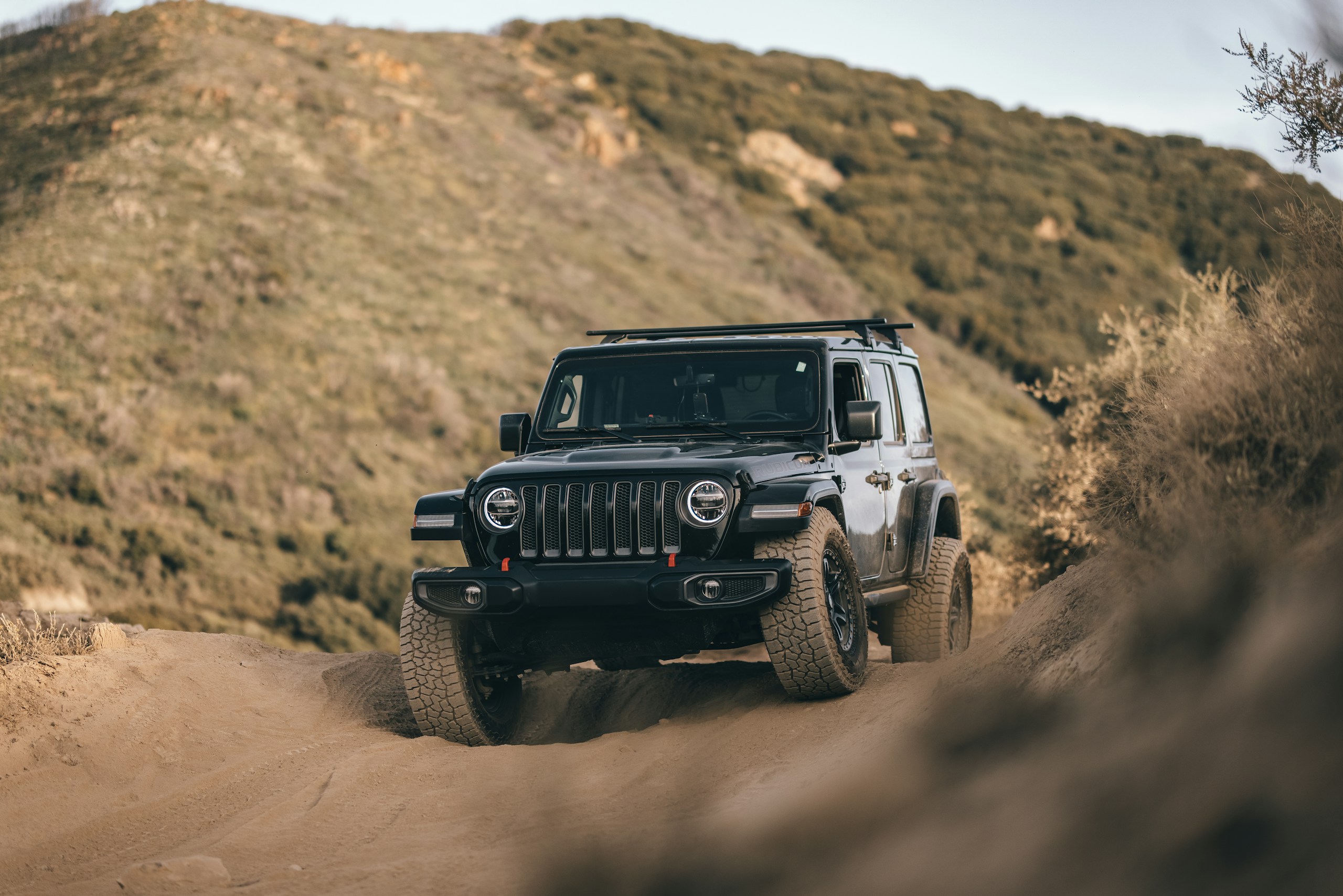
One of the biggest selling points of a Jeep Wrangler, Gladiator, Rubicon, Mojave, or other trail-ready model is its ability to leave the pavement behind.
Jeep commercials show vehicles climbing rocks, crossing streams, crawling over boulders, and tackling muddy trails. Marketing materials celebrate the Jeep lifestyle, complete with off-road adventures, overlanding, and exploring terrain where most vehicles would never go.
So it’s no surprise that Jeep owners often ask:
“If I actually use my Jeep for what it was built to do, will I void my warranty?”
The short answer is:
No—simply taking your Jeep off-road does not automatically void your warranty.
However, the complete answer is a little more complicated.
Whether warranty coverage applies depends on what happened, how the vehicle was used, and whether the off-road driving actually caused the problem.
Understanding the difference can help protect both your warranty rights and your investment.
Jeep Was Built for Off-Roading
Unlike many SUVs that are primarily designed for paved roads, many Jeep models are intentionally engineered for off-road use.
Depending on the model and trim, your Jeep may include:
- Four-wheel drive
- Locking differentials
- Electronic sway bar disconnect
- Skid plates
- Rock rails
- Heavy-duty suspension
- Crawl ratios
- Off-road drive modes
- High ground clearance
- Water fording capability
Manufacturers actively promote these capabilities.
Consumers reasonably expect that vehicles marketed as off-road capable can actually be used off-road.
Using a Jeep for Its Intended Purpose Does Not Automatically Void the Warranty
Federal warranty law generally protects consumers from blanket warranty denials.
The Magnuson-Moss Warranty Act generally prevents manufacturers from simply declaring:
“You drove off-road, so your entire warranty is void.”
Instead, the manufacturer generally must evaluate:
- What failed?
- What caused the failure?
- Was the failure related to off-road use?
Those questions matter far more than whether the Jeep ever left the pavement.
Off-Roading Is Different from Abuse
Many consumers assume the manufacturer treats all off-road driving the same.
It doesn’t.
There is a significant difference between:
Using your Jeep on established trails as intended
and
Abusing the vehicle beyond its intended design.
For example, manufacturers may distinguish between:
- Driving on forest service roads
- Trail riding
- Rock crawling
- Mudding
- Recreational overlanding
and
- High-speed jumping
- Racing
- Deliberate impacts
- Submerging the vehicle beyond published limits
- Operating after obvious mechanical failure
Every situation is different.
The Real Question Is: What Caused the Damage?
Suppose your Jeep develops an electrical problem.
The manufacturer asks:
“Did off-road use cause this?”
If the answer is no, the warranty may still apply.
Now suppose the front axle housing cracks after a hard impact with a rock.
The manufacturer may conclude that the impact—not a manufacturing defect—caused the damage.
In warranty cases, causation is often the central issue.
Examples Where Warranty Coverage May Still Apply
Imagine these situations.
Example One
Your Wrangler repeatedly develops transmission problems after normal trail riding.
The transmission has already been repaired multiple times.
Nothing indicates off-road use caused the defect.
The manufacturer may still be responsible for repairing the transmission under warranty.
Example Two
Your Gladiator’s infotainment system repeatedly freezes.
You frequently drive forest roads while camping.
The off-road driving likely has little connection to the defective radio.
Warranty coverage may still apply.
Example Three
Your Jeep develops repeated engine stalling caused by a defective sensor.
The fact that you occasionally drive trails does not automatically eliminate warranty protection.
Examples Where Warranty Coverage May Be Denied
Now consider different situations.
You strike a large boulder.
The differential housing cracks.
The manufacturer may determine that the impact—not a manufacturing defect—caused the damage.
Or:
You drive through water significantly deeper than the published water-fording limits.
Water enters the engine.
The manufacturer may argue that misuse caused the engine failure.
Similarly:
Repeated high-speed jumps causing suspension damage may not qualify as warranty repairs.
What About Rubicon Models?
Consumers often assume Rubicon models receive broader warranty coverage because they are specifically marketed for extreme off-road use.
While Rubicon models include additional off-road equipment, they are still subject to the manufacturer’s warranty terms.
The important question remains:
Did a manufacturing defect cause the failure?
Or did outside forces damage the component?
The answer depends on the facts.
What If the Part Simply Wasn’t Strong Enough?
Sometimes a dispute centers on design.
Suppose a suspension component repeatedly fails during ordinary trail riding well within the Jeep’s advertised capabilities.
The consumer may argue:
“The vehicle was marketed for this exact use.”
The manufacturer may argue:
“The component failed because of unusually severe terrain.”
Those disputes sometimes become the subject of breach of warranty or Lemon Law litigation.
Jeep’s Marketing May Matter
Marketing materials are not the warranty itself.
However, advertisements showing Jeeps:
- Climbing rocks
- Crossing streams
- Driving desert trails
- Navigating difficult terrain
may become relevant in certain warranty disputes.
Consumers reasonably expect vehicles marketed for those activities to withstand ordinary off-road use consistent with the vehicle’s intended design.
Keep Your Jeep Properly Maintained
Even if you frequently drive off-road, continue following the maintenance schedule.
Keep records of:
- Oil changes
- Differential services
- Transfer case service
- Tire rotations
- Brake inspections
- Suspension inspections
Maintenance records help demonstrate responsible ownership.
Inspect Your Jeep After Trail Use
After every significant off-road trip, inspect for:
- Fluid leaks
- Loose suspension parts
- Damaged skid plates
- Tire damage
- Steering issues
- Broken lights
- Underbody impacts
Addressing problems early may prevent larger failures later.
Aftermarket Modifications Add Another Layer
Many Jeep owners modify their vehicles.
Common upgrades include:
- Lift kits
- Larger tires
- Winches
- Steel bumpers
- Lockers
- Suspension upgrades
- Performance tuning
These modifications do not automatically void your warranty.
However, if the modification contributes to the failure, the manufacturer may argue that warranty coverage should not apply to that repair.
Document Everything
If a warranty dispute develops, preserve:
- Purchase documents
- Warranty booklet
- Maintenance records
- Repair orders
- Photographs
- Videos
- Trail conditions
- Dealer communications
Documentation often becomes critical in a Lemon Law or breach of warranty case.
Continue Using Authorized Dealers
If a warranty-covered problem develops:
Take your Jeep to an authorized Jeep dealership.
Dealer repair records help establish:
- The manufacturer’s opportunity to repair
- Repair history
- Warranty claims
- Technical findings
These records may become important if litigation becomes necessary.
When Could a Lemon Law Claim Arise?
Suppose your Jeep repeatedly experiences:
- Transmission failures
- Engine stalling
- Electrical problems
- Steering defects
- Suspension defects
- Four-wheel-drive failures
despite repeated warranty repairs.
If the manufacturer cannot permanently repair the defect within a reasonable number of attempts, you may have rights under your state’s Lemon Law or breach of warranty laws—even if you occasionally use the Jeep off-road in the manner it was designed to be used.
Frequently Asked Questions
Does taking my Jeep off-road automatically void the warranty?
No. Simply driving your Jeep off-road does not automatically void the manufacturer’s warranty. The manufacturer generally must determine whether the off-road use actually caused the specific failure.
Can Jeep deny warranty coverage if I go rock crawling?
It depends. If the damage resulted from an impact, abuse, or conditions beyond the vehicle’s intended capabilities, warranty coverage may be denied for that damage. If the failure resulted from a manufacturing defect, coverage may still apply.
Do lift kits void my warranty?
Generally, no. A lift kit does not automatically void the entire warranty. However, if the lift contributes to a suspension, steering, or drivetrain problem, the manufacturer may deny warranty coverage for that particular repair.
Should I tell the dealership I use my Jeep off-road?
Always answer questions truthfully. Many Jeep owners use their vehicles off-road exactly as they were designed to be used. Simply enjoying your Jeep’s intended capabilities does not automatically eliminate your warranty rights.
Can I still file a Lemon Law claim if I take my Jeep off-road?
Potentially, yes. If the recurring defect is unrelated to your off-road use, or if the manufacturer cannot show that off-road driving caused the problem, you may still have valid Lemon Law or breach of warranty claims.
Tips for Protecting Your Warranty While Enjoying Your Jeep
- Follow the manufacturer’s maintenance schedule.
- Keep receipts for all maintenance and repairs.
- Inspect your Jeep after trail rides.
- Address damage promptly.
- Avoid modifications without understanding their potential warranty implications.
- Use authorized dealerships for warranty repairs.
- Save every repair order.
- Take photos if damage or defects occur.
- Speak with an attorney before accepting a warranty denial if you believe the defect is unrelated to your off-road use.
The Bottom Line
Jeep builds vehicles with off-road capability because many owners intend to use them that way. Taking your Wrangler, Gladiator, Rubicon, or other trail-capable Jeep off-road does not automatically void your warranty, and manufacturers generally cannot deny all warranty coverage simply because you drove on trails.
The key issue is whether the off-road use actually caused the failure at issue. If a component breaks because of a manufacturing defect during ordinary, intended off-road use, you may still have full warranty protection—and, if repeated repairs fail, potentially a Lemon Law or breach of warranty claim. On the other hand, if damage results from impacts, misuse, or modifications that contribute to the failure, the manufacturer may have grounds to deny warranty coverage for that particular repair.
If your Jeep has experienced repeated warranty repairs and the manufacturer has denied coverage because of your off-road use, don’t assume the decision is correct. An experienced Lemon Law or warranty attorney can review the facts, evaluate the repair history, and help determine whether the manufacturer has improperly denied your claim.