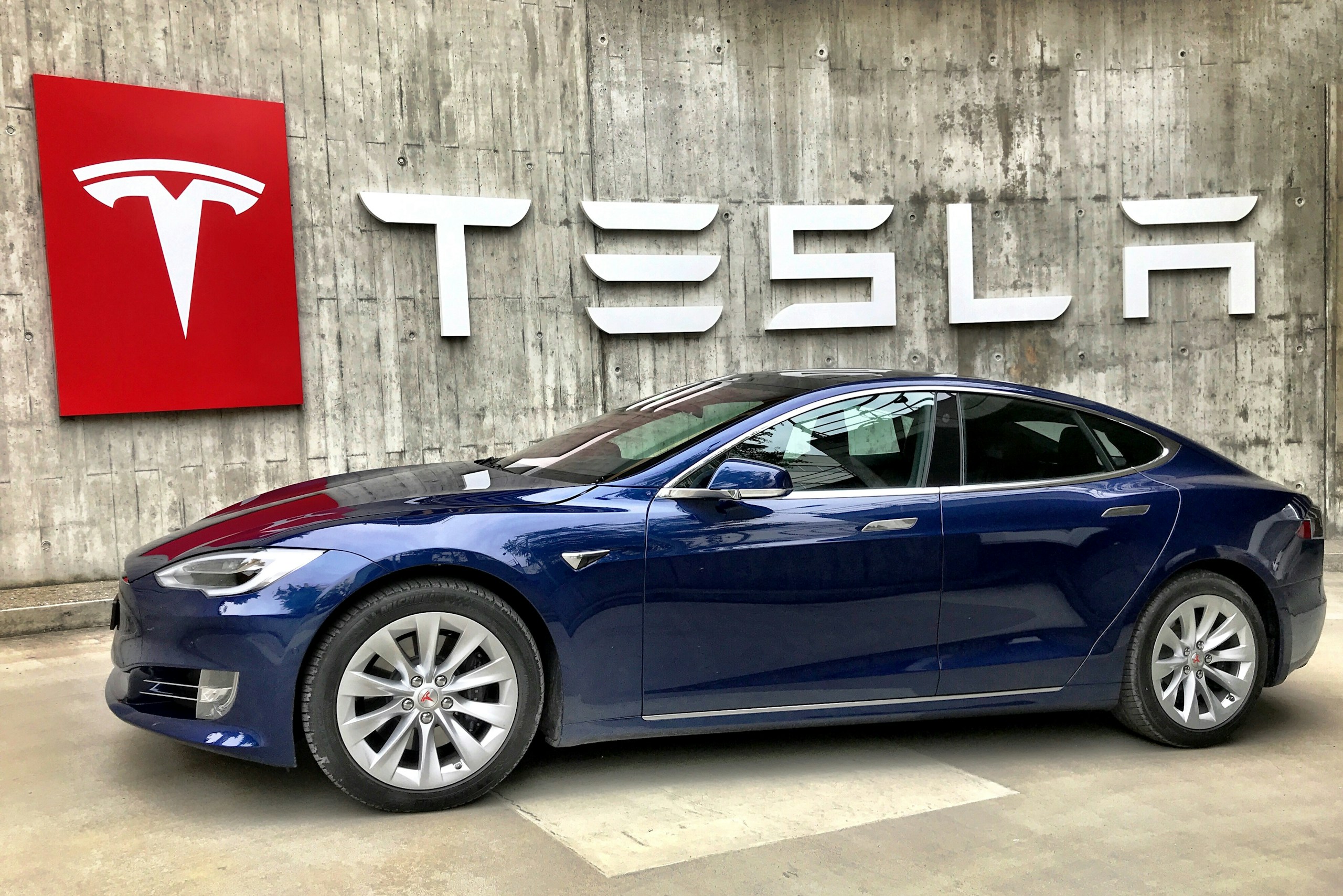
Tesla is rarely out of the news. Whether the headlines involve new software updates, autonomous driving technology, robotaxis, production announcements, or the latest innovations from Elon Musk, the company continues to shape the future of the automotive industry.
But as vehicles become increasingly dependent on software, cameras, sensors, and artificial intelligence, consumers face a new question:
What happens when cutting-edge technology doesn’t perform as expected?
While most drivers hope they’ll never experience serious problems, defects involving vehicle technology can affect convenience, safety, and, in some cases, the value of the vehicle itself.
Modern Cars Are Computers on Wheels
Today’s vehicles contain dozens of computers controlling everything from:
- Automatic emergency braking
- Lane-keeping assistance
- Adaptive cruise control
- Navigation
- Battery management
- Infotainment systems
- Cameras
- Over-the-air software updates
These features offer tremendous convenience, but they also introduce new opportunities for defects.
Unlike older vehicles that relied primarily on mechanical systems, many modern problems can involve software, electronics, or communication between vehicle systems.
When Does a Problem Become a Lemon?
Not every repair makes a vehicle a lemon.
However, if a manufacturer cannot repair a substantial defect after a reasonable number of attempts—or if the vehicle spends an excessive amount of time out of service—you may have rights under your state’s lemon law.
Common complaints involving newer vehicles include:
- Screen failures
- Camera malfunctions
- Charging problems
- Software glitches
- Battery issues
- Unexpected warning lights
- Loss of vehicle functions
- Safety system failures
The key question is not whether the vehicle is innovative—it is whether it performs as promised.
Keep Good Records
If you’re repeatedly returning your vehicle for the same problem:
- Save every repair order.
- Photograph warning messages.
- Record dates and mileage.
- Keep copies of communications with the dealership.
- Document how the issue affects your daily use.
Good documentation is often one of the strongest tools a consumer has.
Know Your Warranty Rights
In addition to state lemon laws, many consumers are protected by manufacturer warranties and the federal Magnuson-Moss Warranty Act.
If repeated repairs fail to resolve a defect, you may have legal remedies even if your state’s lemon law no longer applies.
The Bottom Line
Innovation is exciting, but consumers deserve vehicles that are safe, reliable, and perform as advertised. If your vehicle has repeated defects that the manufacturer cannot repair, you may have important legal rights.
At Ginsburg Law Group, P.C., we help consumers understand their rights under state lemon laws and federal warranty laws. If your vehicle spends more time in the repair shop than on the road, contact our office to discuss your options.