For many people, the word bankruptcy brings feelings of fear, uncertainty, or even shame. Unfortunately, bankruptcy has long been surrounded by myths and misconceptions that prevent people from learning about one of the most powerful financial tools available under federal law.
The reality is that bankruptcy was created to help honest individuals and businesses recover from overwhelming debt. Whether financial hardship resulted from a job loss, medical emergency, divorce, business failure, inflation, or another unexpected life event, bankruptcy exists to provide a legal path toward financial stability.
Every year, thousands of Americans use bankruptcy to stop creditor harassment, eliminate debt, prevent lawsuits, and rebuild their financial lives. While bankruptcy is not the right solution for everyone, it is often a better option than years of mounting interest, collection calls, lawsuits, and financial stress.
At Ginsburg Law Group, we help individuals and families understand every available debt relief option. Bankruptcy is only one possible solution—but for the right person, it can provide the fresh start they desperately need.
What Is Bankruptcy?
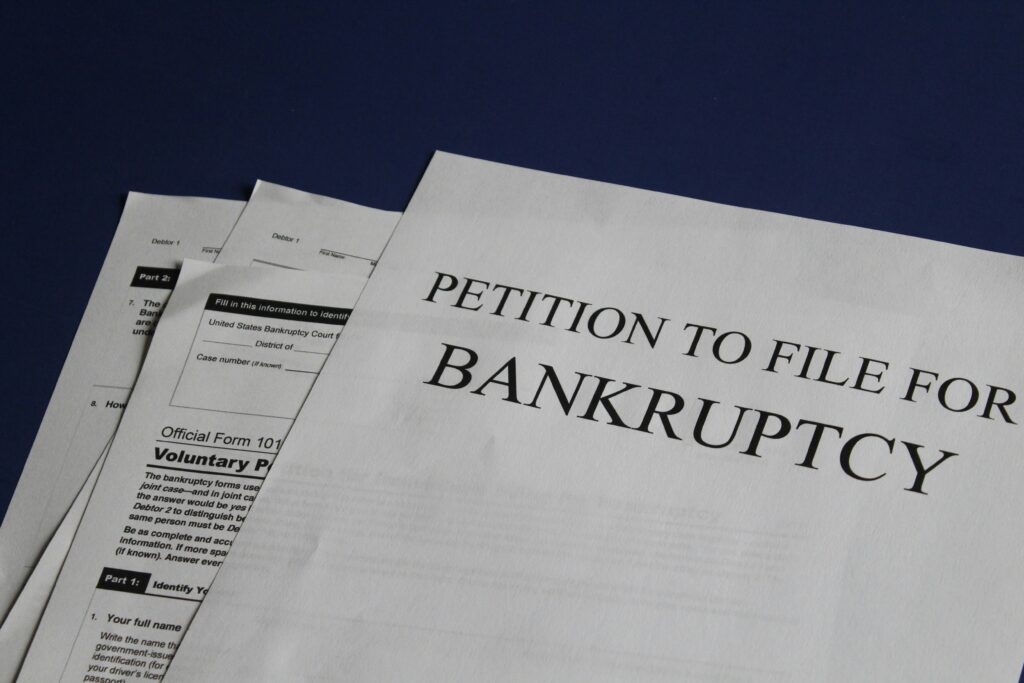
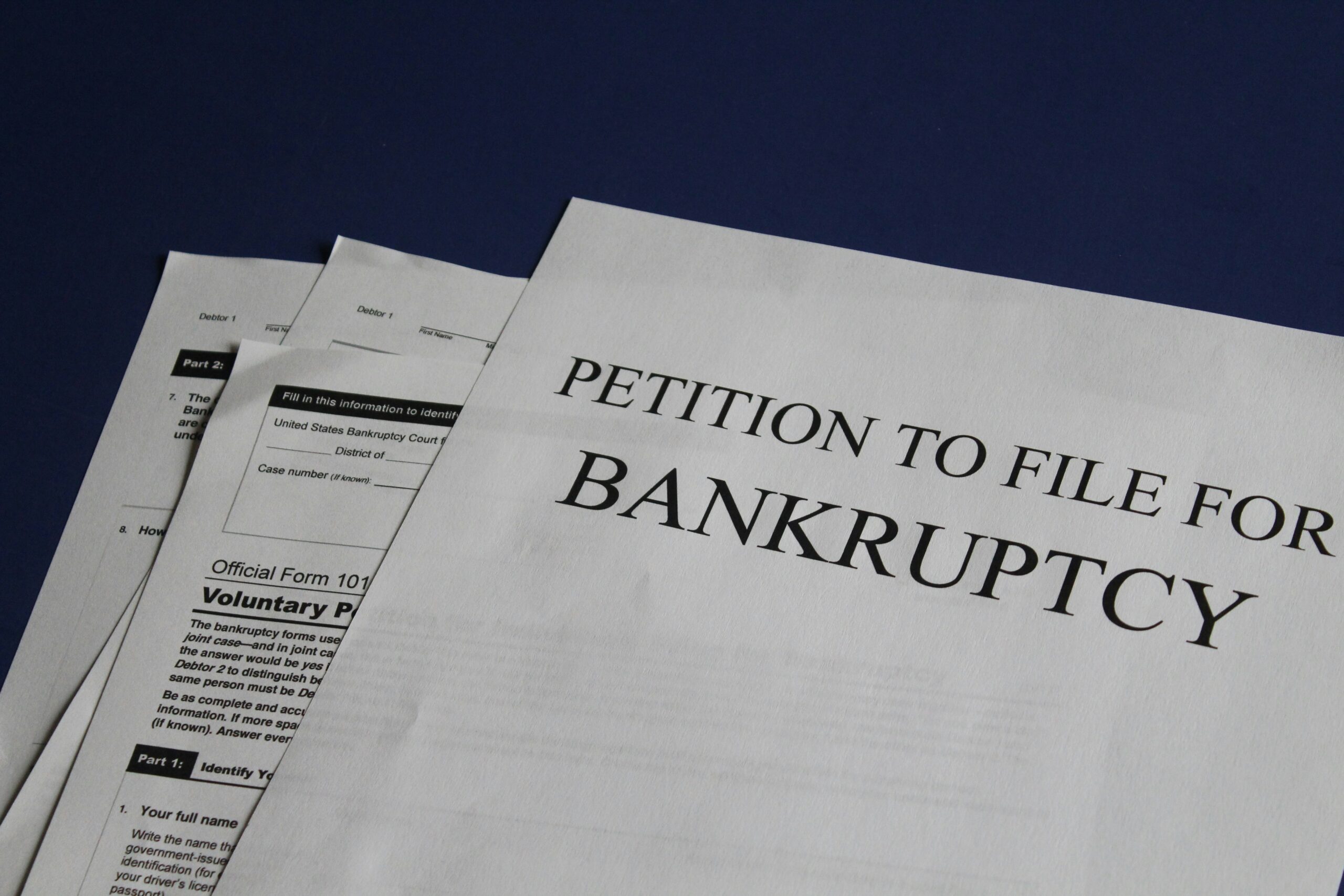
Bankruptcy is a federal legal process that allows eligible individuals and businesses to eliminate or reorganize certain debts under the protection of the United States Bankruptcy Code.
Unlike debt settlement or debt consolidation, bankruptcy is supervised by the federal bankruptcy court. Once a case is filed, the law provides important protections that generally stop most collection activity while the case is pending.
Depending on the chapter filed, bankruptcy may:
- Eliminate qualifying unsecured debts
- Create an affordable repayment plan
- Stop collection calls
- Stop creditor lawsuits
- Stop wage garnishments
- Stop bank levies
- Delay or prevent foreclosure in certain circumstances
- Give you an opportunity to rebuild your financial future
The primary goal of bankruptcy is to give honest debtors a meaningful financial fresh start.
Why Do People File Bankruptcy?
Contrary to popular belief, most people who file bankruptcy are not irresponsible with money.
Instead, bankruptcy often follows unexpected life events that dramatically change a person’s financial circumstances.
Common reasons include:
Medical Debt
Unexpected illness or injury can generate enormous medical bills, even for people with health insurance.
Job Loss
Losing a paycheck often leads consumers to rely on credit cards simply to pay for necessities.
Divorce
Legal expenses, child support, alimony, and maintaining separate households frequently create financial strain.
Business Failure
Many entrepreneurs personally guarantee business loans, making business setbacks personal financial problems.
Inflation and Rising Costs
Increasing housing, insurance, food, and utility costs have made it difficult for many families to keep up with debt payments.
High Interest Rates
Even borrowers making monthly payments may find that most of their payment goes toward interest rather than reducing the principal balance.
Financial hardship can happen to anyone, regardless of education, income, or profession.
The Different Types of Bankruptcy
Several chapters of the Bankruptcy Code exist, but most consumers file under Chapter 7 or Chapter 13. Businesses may also use Chapter 11 to reorganize.
Chapter 7 Bankruptcy
Chapter 7 is often called liquidation bankruptcy, although many people who file Chapter 7 keep all of their property because federal and state exemption laws protect many common assets.
Chapter 7 typically allows eligible individuals to discharge qualifying unsecured debts, such as:
- Credit card debt
- Medical bills
- Personal loans
- Collection accounts
- Certain judgments
Most Chapter 7 cases are completed within a few months.
Eligibility generally depends on financial circumstances, including the means test and other legal requirements.
Chapter 13 Bankruptcy
Chapter 13 is commonly referred to as a reorganization bankruptcy.
Instead of immediately eliminating debts, Chapter 13 allows individuals with regular income to propose a court-approved repayment plan lasting three to five years.
Chapter 13 may help people:
- Catch up on mortgage payments
- Prevent foreclosure
- Repay tax obligations
- Address vehicle loan issues
- Protect valuable property
- Reorganize debt into affordable monthly payments
After successful completion of the plan, remaining eligible unsecured debts may be discharged.
Chapter 11 Bankruptcy
Chapter 11 is primarily used by businesses, although some individuals with substantial debt also use it.
It allows businesses to continue operating while restructuring debts under court supervision.
What Debts Can Bankruptcy Eliminate?
One of the biggest benefits of bankruptcy is the ability to eliminate many unsecured debts.
These commonly include:
- Credit card debt
- Medical debt
- Personal loans
- Payday loans
- Collection accounts
- Deficiency balances after repossession
- Certain business debts tied to personal guarantees
However, not every debt can be discharged.
Depending on the circumstances, debts that may receive different treatment include:
- Recent tax debts
- Child support
- Alimony
- Certain student loans
- Criminal fines
- Debts incurred through fraud
An experienced bankruptcy attorney can review your specific obligations and explain how they may be treated.
The Automatic Stay: Immediate Protection
One of bankruptcy’s most powerful features is the automatic stay.
Immediately after most bankruptcy cases are filed, the automatic stay generally stops many collection activities, including:
- Collection calls
- Collection letters
- Lawsuits
- Wage garnishments
- Bank levies
- Repossessions (subject to certain exceptions)
- Foreclosure proceedings (at least temporarily in many cases)
The automatic stay gives debtors breathing room while the bankruptcy case proceeds.
There are exceptions, and repeat filings may affect the scope of the stay, so legal advice is important.
Will I Lose Everything?
Probably not.
This is one of the biggest myths surrounding bankruptcy.
Federal and state exemption laws often protect many important assets, such as:
- Household goods
- Clothing
- Retirement accounts
- Certain equity in a residence
- Certain equity in vehicles
- Tools used for work
- Personal belongings
Exactly what property is protected depends on applicable exemption laws and the facts of your case.
Many Chapter 7 filers keep all of their property.
How Does Bankruptcy Affect Your Credit?
Bankruptcy does affect your credit.
However, many people considering bankruptcy already have:
- Late payments
- Collection accounts
- Charge-offs
- Judgments
- Maxed-out credit cards
In these situations, continuing to struggle with debt may cause ongoing damage that can outweigh the impact of filing.
Many individuals begin rebuilding credit shortly after receiving a discharge by:
- Paying current obligations on time
- Maintaining low credit utilization
- Using secured credit responsibly
- Monitoring their credit reports
Financial recovery is often much faster than people expect.
What Happens During the Bankruptcy Process?
Although every case is unique, the process generally follows these steps:
Step 1: Meet With a Bankruptcy Attorney
Your attorney reviews:
- Income
- Expenses
- Assets
- Debts
- Financial goals
This helps determine whether bankruptcy is appropriate and which chapter best fits your circumstances.
Step 2: Gather Financial Information
You’ll typically provide documents such as:
- Pay stubs
- Tax returns
- Bank statements
- Retirement account statements
- Mortgage information
- Vehicle loan documents
- Lists of creditors
Step 3: Complete Credit Counseling
Federal law generally requires debtors to complete an approved credit counseling course before filing.
Step 4: File the Bankruptcy Petition
Once filed, the automatic stay generally takes effect immediately.
Step 5: Attend the Meeting of Creditors
Most debtors attend a brief meeting conducted by the bankruptcy trustee, often called the “341 meeting.”
In most consumer cases, the meeting is straightforward and lasts only a few minutes.
Step 6: Receive a Discharge
If all legal requirements are satisfied, eligible debts are discharged according to the applicable chapter.
Bankruptcy vs. Debt Settlement
Many consumers compare bankruptcy with debt settlement.
Debt settlement generally involves negotiating with creditors to accept less than the full balance owed.
Bankruptcy differs because it:
- Is supervised by federal courts
- Provides an automatic stay
- May discharge eligible debts without requiring individual settlements
- Can stop lawsuits immediately
Debt settlement may be appropriate for some consumers, while bankruptcy may provide greater legal protection for others.
The right choice depends on your financial situation.
Bankruptcy vs. Debt Consolidation
Debt consolidation combines multiple debts into one new loan.
Consolidation may simplify repayment but generally does not reduce the amount owed.
Bankruptcy, by contrast, may eliminate qualifying debts altogether or restructure them through a court-approved plan.
Consumers with stable income and good credit may benefit from consolidation, while those facing overwhelming debt or lawsuits may find bankruptcy provides more comprehensive relief.
Common Bankruptcy Myths
“I’ll Never Get Credit Again.”
False.
Many people begin receiving credit offers shortly after receiving a bankruptcy discharge. While rebuilding credit takes time and discipline, bankruptcy does not permanently prevent future borrowing.
“Everyone Will Know I Filed.”
Although bankruptcy filings are public records, most people outside your creditors, the court, and parties directly involved in the case will never search for that information.
“I’ll Lose My Home.”
Not necessarily.
Many homeowners keep their homes, especially when equity is protected by applicable exemption laws and mortgage payments remain manageable or are addressed through Chapter 13.
“Bankruptcy Means Financial Failure.”
Absolutely not.
Many successful individuals—including business owners, professionals, and entrepreneurs—have used bankruptcy to recover from circumstances beyond their control.
Is Bankruptcy Right for You?
Bankruptcy may be worth considering if:
- You’re overwhelmed by credit card debt.
- Collection calls have become constant.
- You’re facing lawsuits.
- Wage garnishment has begun.
- You’re behind on your mortgage.
- Medical bills continue to grow.
- Minimum payments barely cover interest.
- You’ve exhausted savings trying to stay current.
On the other hand, bankruptcy may not be the best option if your financial difficulties are temporary or can be resolved through less drastic measures.
A thorough legal review can help you understand all available alternatives.
Frequently Asked Questions
How long does bankruptcy take?
Most Chapter 7 cases are completed within several months, while Chapter 13 cases generally last three to five years because they involve court-approved repayment plans.
Will bankruptcy stop a lawsuit?
In many cases, yes. Filing bankruptcy generally triggers the automatic stay, which immediately halts most pending collection lawsuits and other collection activity.
Can I keep my car?
Often, yes. Whether you can keep your vehicle depends on factors such as its value, any outstanding loan balance, applicable exemption laws, and the chapter under which you file.
Can I file bankruptcy more than once?
Possibly. The Bankruptcy Code contains waiting periods between certain filings and discharges, so eligibility depends on your prior bankruptcy history and the type of case previously filed.
The Bottom Line
Bankruptcy is not a sign of failure—it’s a legal tool designed to help people recover from financial hardship and move forward. For many individuals, it provides faster, more comprehensive relief than years of struggling with minimum payments, mounting interest, collection calls, and lawsuits.
The key is understanding your options before your financial situation becomes even more difficult. Bankruptcy is only one possible solution. Depending on your circumstances, debt settlement, creditor negotiations, or other strategies may also be appropriate.
At Ginsburg Law Group, we help clients evaluate every available debt relief option—not just bankruptcy. If you’re struggling with overwhelming debt, our experienced attorneys can explain your rights, answer your questions, and help you develop a personalized strategy to regain control of your financial future. You don’t have to face financial hardship alone, and taking the first step today can put you on the path toward a true fresh start.