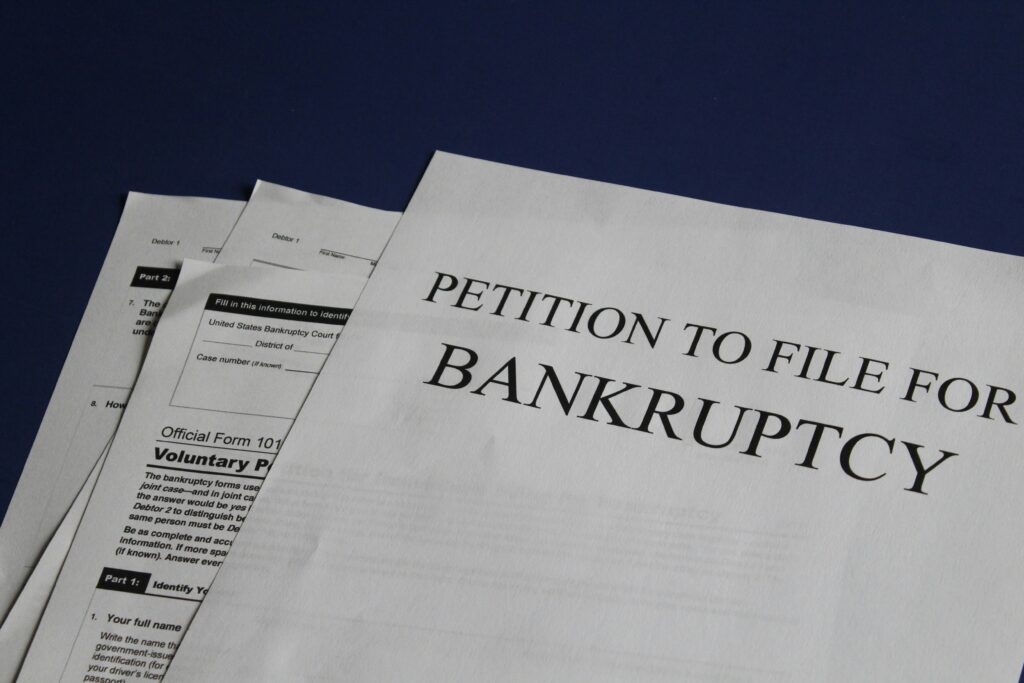
If you’re considering bankruptcy, you’re probably juggling stress, bills, and uncertainty. Many people delay getting advice because they feel embarrassed or think they need to “get everything perfect” first.
You don’t. But walking into a consultation with the right information can save time, reduce back-and-forth, and help your attorney give clearer guidance.
This post covers a practical, consumer-friendly checklist of what to gather before a bankruptcy consultation.
A quick note on Chapter 7 vs. Chapter 13
- Chapter 7 is often called a “fresh start” bankruptcy. It may be available depending on income and other factors.
- Chapter 13 is a repayment plan bankruptcy, typically over several years.
Which one fits depends on your full financial picture. An attorney can help you evaluate options.
The bankruptcy consultation document checklist
1) Income proof
Gather:
- Recent pay stubs (several months, if available)
- Proof of other income (gig work, benefits, pension)
- Last two years of tax returns (if you have them)
If your income is irregular, write a short note explaining why.
2) Monthly household expenses
Create a simple list of:
- Rent or mortgage
- Utilities
- Car payment and insurance
- Gas/transportation
- Food
- Childcare
- Medical costs
- Minimum debt payments
Even estimates help.
3) A full debt list
Include:
- Credit cards
- Medical bills
- Personal loans
- Payday loans
- Old utility bills
- Collection accounts
- Any lawsuits or judgments
Tip: Pull a credit report and use it as a starting point, but don’t assume it’s complete.
4) Lawsuit and garnishment paperwork
If you have:
- A summons/complaint
- Wage garnishment notice
- Bank levy notice
Bring it. Deadlines can matter.
5) Asset information
Bankruptcy requires disclosure of assets.
Gather:
- Vehicle info (year/make/model, loan balance)
- Home info (mortgage statements, estimated value)
- Bank account balances
- Retirement accounts
- Any valuable personal property
You don’t need perfect values—just a good-faith estimate.
6) Recent financial activity
Your attorney may ask about:
- Large purchases
- Cash advances
- Transfers to friends/family
- Recent payments to certain creditors
Bring bank statements if you can.
7) Prior bankruptcy history
If you filed before, note:
- Approximate date
- Chapter type
- Where you filed
What to document (and why)
Bankruptcy is paperwork-heavy because it’s a court process. Clear documents help:
- Confirm your income and expenses
- Identify which debts are included
- Evaluate whether you’re eligible for certain chapters
- Reduce delays and follow-up requests
Common mistakes to avoid
- Waiting until you’re sued or garnished to gather documents
- Hiding accounts or assets (this can create serious problems)
- Draining retirement accounts without advice
- Paying a “debt settlement” company without understanding alternatives
If you’re overwhelmed by debt, Ginsburg Law Group, PC can help you understand bankruptcy options and what a filing would involve. If you bring the documents above (even partially), we can usually make your consultation more productive and help you map out next steps.