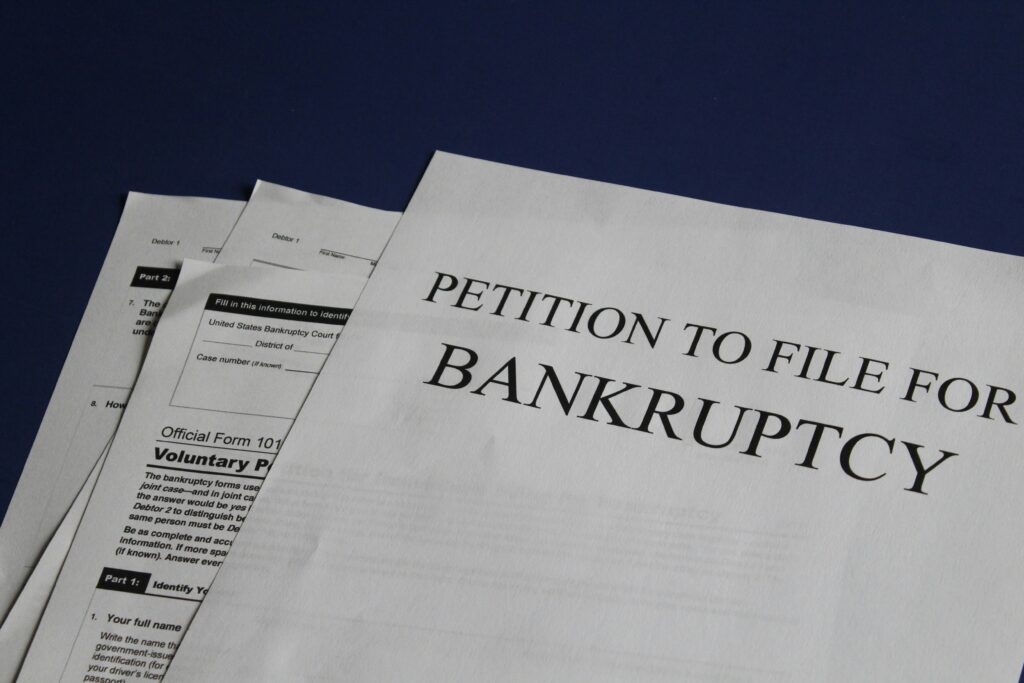
For decades, many people have believed one thing about student loans and bankruptcy:
“Student loans can never be discharged.”
While that statement has been repeated countless times, it isn’t entirely true.
The reality is far more complicated. Although student loans are more difficult to eliminate than credit card debt, medical bills, or personal loans, bankruptcy can provide relief in certain situations. In recent years, changes in government policy and evolving court practices have also made it easier for some borrowers to pursue a discharge than it was in the past.
If overwhelming student loan debt is preventing you from moving forward financially, understanding how bankruptcy works—and what challenges you may face—is the first step toward determining whether relief may be available.
Why Student Loans Are Different
Most unsecured debts can be discharged through a Chapter 7 bankruptcy or repaid under more manageable terms through a Chapter 13 bankruptcy.
Student loans, however, are treated differently under the Bankruptcy Code.
Unlike most other unsecured debts, student loans generally are not automatically discharged when you receive your bankruptcy discharge.
Instead, borrowers who want to eliminate student loan debt must typically file a separate lawsuit within the bankruptcy case known as an adversary proceeding and demonstrate that repayment would impose an undue hardship.
That additional requirement is what makes student loan cases more challenging than other types of consumer debt.
Federal vs. Private Student Loans
Not all student loans are treated exactly the same.
Federal Student Loans
Federal student loans include loans made or guaranteed by the U.S. Department of Education, such as:
- Direct Subsidized Loans
- Direct Unsubsidized Loans
- PLUS Loans
- Consolidation Loans
These loans often provide repayment options outside bankruptcy, including:
- Income-driven repayment plans
- Deferment
- Forbearance
- Public Service Loan Forgiveness (PSLF)
- Various administrative discharge programs
Even if bankruptcy ultimately does not eliminate the debt, filing bankruptcy may still help borrowers by eliminating other debts and freeing up income to manage student loan payments.
Private Student Loans
Private student loans are issued by banks, credit unions, finance companies, and other private lenders.
These loans often have:
- Higher interest rates
- Fewer repayment options
- Limited hardship programs
- Less flexible forgiveness opportunities
Interestingly, some private educational loans may not qualify for the special bankruptcy protections that apply to certain federal student loans.
Depending on how the loan was structured and what it was used to finance, some private loans may be treated differently in bankruptcy.
This is one reason every borrower should have their loans carefully reviewed by an experienced bankruptcy attorney.
What Is “Undue Hardship”?
The Bankruptcy Code does not precisely define “undue hardship.”
Instead, courts have developed legal standards over many years to determine whether repayment would impose an undue hardship on the borrower and their dependents.
Many courts apply what is known as the Brunner Test, which generally considers whether the borrower can demonstrate:
- They cannot maintain a minimal standard of living if forced to repay the loans.
- Their financial hardship is likely to continue for a significant portion of the repayment period.
- They have made a good-faith effort to repay the loans.
Some courts use different legal standards, but regardless of the test applied, the analysis is highly fact-specific.
No single factor automatically determines whether a discharge will be granted.
Recent Changes Have Made Some Cases Easier
In recent years, the U.S. Department of Justice and the Department of Education adopted updated guidance intended to simplify the process of resolving certain federal student loan discharge cases.
Under this guidance, government attorneys may evaluate factors such as:
- Current income
- Reasonable living expenses
- Employment history
- Future earning potential
- Medical conditions
- Disability
- Age
- Efforts to repay the loans
In appropriate cases, the government may agree that an undue hardship exists without requiring lengthy litigation.
While the guidance does not guarantee a discharge, it has provided additional opportunities for some borrowers who previously believed bankruptcy relief was impossible.
Who May Have a Stronger Case?
Every situation is unique, but borrowers who may have stronger arguments include individuals who:
- Have permanent disabilities.
- Suffer from chronic medical conditions.
- Receive Social Security Disability benefits.
- Are elderly and living on fixed incomes.
- Have experienced long-term unemployment.
- Care for disabled family members.
- Have very limited future earning capacity.
- Have made years of good-faith repayment efforts without meaningful progress.
Again, none of these factors guarantees success, but they are often considered during the hardship analysis.
Filing an Adversary Proceeding
Obtaining a student loan discharge generally requires more than simply filing bankruptcy.
After filing Chapter 7 or Chapter 13, the borrower usually must file an adversary proceeding against the lender or loan holder.
This process resembles traditional litigation.
It may involve:
- Filing a complaint
- Exchanging documents
- Answering written questions
- Producing financial records
- Depositions
- Settlement discussions
- Court hearings
- Trial, if necessary
Because these cases can become complex, working with an attorney familiar with both bankruptcy law and student loan litigation is particularly important.
Evidence Matters
Successful student loan discharge cases are often supported by substantial documentation.
Helpful evidence may include:
- Tax returns
- Pay stubs
- Monthly budgets
- Medical records
- Disability determinations
- Employment history
- Job search efforts
- Loan payment history
- Family expense information
The more complete the financial picture, the easier it becomes for the court to evaluate the borrower’s circumstances.
Bankruptcy May Still Help Even Without a Discharge
Many borrowers assume there is no reason to file bankruptcy unless their student loans will be eliminated.
That isn’t necessarily true.
Bankruptcy can still provide significant benefits by eliminating or restructuring other debts, including:
- Credit card balances
- Medical bills
- Personal loans
- Collection accounts
- Certain judgments
- Payday loans
Reducing these obligations may substantially improve a borrower’s overall financial situation, making student loan payments more manageable.
In Chapter 13, bankruptcy may also provide temporary relief by allowing borrowers to address other debts through a court-approved repayment plan while protecting against many collection actions.
Common Myths About Student Loans and Bankruptcy
Myth: Student loans can never be discharged.
False. Although the process is challenging, bankruptcy courts do discharge student loans in appropriate cases.
Myth: Filing bankruptcy ruins your chances forever.
Not true. Bankruptcy often provides borrowers with the opportunity to rebuild their finances and credit over time.
Myth: Only people with disabilities qualify.
Disability may strengthen a case, but it is not required. Courts consider the totality of a borrower’s financial circumstances.
Myth: Bankruptcy is always the last option.
For some borrowers, bankruptcy is the most effective tool available for obtaining long-term financial stability.
When Should You Speak With a Bankruptcy Attorney?
If student loan payments have become overwhelming, you should not assume there are no options.
A consultation may help determine:
- Whether bankruptcy is appropriate.
- Whether an adversary proceeding may be worthwhile.
- Whether your loans are federal or private.
- Whether alternative repayment or forgiveness programs should be explored.
- Whether bankruptcy can eliminate other debts to improve your overall financial picture.
Every case is different, and the best strategy depends on your individual circumstances.
Final Thoughts
Student loan debt has become one of the largest sources of consumer debt in the United States, affecting millions of borrowers at every stage of life. While student loans remain more difficult to discharge than most other unsecured debts, bankruptcy relief is not impossible. Courts continue to grant discharges in appropriate cases, and recent federal guidance has made the process more accessible for some borrowers with federal student loans.
If you are struggling under the weight of student loan debt, don’t rely on outdated information or common myths. The law in this area continues to evolve, and what may have seemed impossible a few years ago could be worth revisiting today.
At Ginsburg Law Group, we help individuals evaluate all available options for managing overwhelming debt, including bankruptcy, student loan discharge litigation, and other forms of debt relief. If student loans are preventing you from achieving financial stability, contact our office to discuss your situation. A careful review of your finances and your loans may reveal options you didn’t know were available—and the first step toward a fresh financial start.