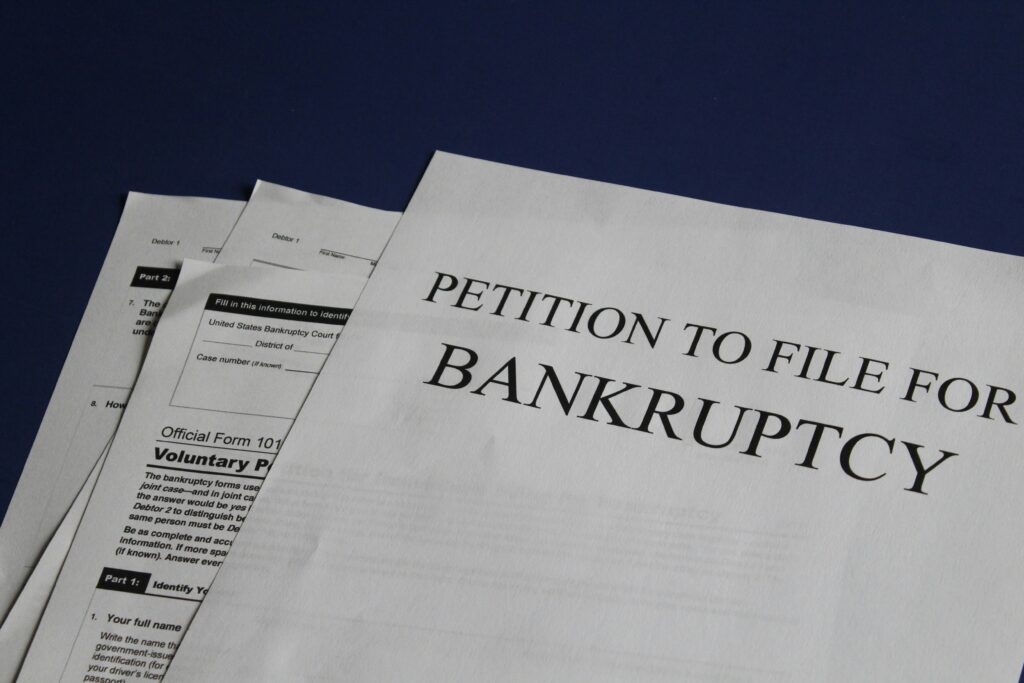
If you’re considering bankruptcy, you’re probably juggling two things at once: the stress of bills and the fear of making a mistake. Bankruptcy is a legal process with real consequences, but it’s also a tool that exists for a reason—to give honest people a structured way to deal with overwhelming debt.
This post is not legal advice for your specific situation. It’s a practical overview of what consumers typically need to gather and think through before filing, so you can have a more productive conversation with a bankruptcy attorney.
Step 1: Identify what problem you’re trying to solve
People consider bankruptcy for different reasons:
- Credit card and medical debt that has become unmanageable
- Collection lawsuits or wage garnishment threats
- Falling behind on car payments
- Needing a fresh start after a job loss, illness, or divorce
Your goals matter because different bankruptcy chapters and strategies can address different problems.
Step 2: Gather your “financial snapshot” documents
A bankruptcy filing requires a clear picture of your finances. Start collecting:
Income
- Recent pay stubs
- Proof of other income (benefits, child support, retirement, gig work)
- Last two years of tax returns (commonly requested)
Expenses
- Rent/mortgage statements
- Utility bills
- Insurance bills
- Childcare costs
- Transportation costs
Debts
- Credit card statements
- Medical bills
- Personal loans
- Collection letters
- Court papers for any lawsuits
Assets
- Vehicle title/loan info
- Home deed/mortgage info
- Bank statements
- Retirement account statements
Tip: Put everything in one folder (digital or paper). Organization saves time and reduces stress.
Step 3: Understand the difference between Chapter 7 and Chapter 13 (high level)
While the details vary, here’s a plain-English starting point:
- Chapter 7 is often described as a “fresh start” bankruptcy. It can discharge many unsecured debts, but eligibility and property issues depend on your income, assets, and exemptions.
- Chapter 13 is a repayment plan bankruptcy. It can be used to catch up on certain arrears over time and may be an option when Chapter 7 isn’t.
A bankruptcy attorney can help you evaluate which chapter fits your goals and circumstances.
Step 4: Don’t ignore timing issues
Timing can matter in bankruptcy. Examples:
- If you’ve been sued, you may have court deadlines separate from bankruptcy
- If you’re facing foreclosure or repossession, you may need to act quickly
- If you recently used credit heavily, that can raise questions
This doesn’t mean you’re “in trouble”—it means you should get advice before making big moves.
Step 5: Avoid common pre-filing mistakes
Here are common mistakes that can complicate a case:
- Draining retirement accounts without advice
- Transferring property to a friend or family member to “protect it”
- Ignoring court papers because you plan to file later
- Taking on new debt right before filing
- Withdrawing large amounts of cash without clear documentation
If you’re unsure, pause and ask before acting.
Step 6: Build your “questions for the attorney” list
Bring a list like this to your consultation:
- Which chapter fits my goals and why?
- What debts are likely dischargeable in my situation?
- What happens to my car loan?
- What happens to my home?
- What should I stop doing right now?
- What documents do you need from me first?
Step 7: Create a simple action plan for the next 7 days
If you’re not ready to file today, you can still take control:
- Gather your documents (income, debts, assets)
- Make a list of urgent deadlines (court dates, repossession threats)
- Stop using credit if you’re planning to file soon
- Schedule a consultation to get advice tailored to your state and situation
Soft next step
Bankruptcy is a serious decision, but it doesn’t have to be confusing. If you’re overwhelmed by debt, a consultation can help you understand your options and what a realistic plan looks like.
Ginsburg Law Group, PC assists consumers with bankruptcy matters. Contact us to discuss your goals, your timeline, and what documents to gather for a clear evaluation.