

Imagine you sell your house to a company that promises to take over your mortgage, and years later you find the loan still in your name, in default and wrecking your credit. Or imagine you make every monthly payment on a rent-to-own home, and then the sheriff shows up with an eviction complaint because the person you were paying never owned the house.
According to a lawsuit announced on October 15, 2026, by Pennsylvania Attorney General Dave Sunday, that’s what happened to families across the Pittsburgh area. The Attorney General’s Bureau of Consumer Protection has sued Sean Walters of Wexford, Charles Spencer of Cranberry Township and several related companies (CSW Financial LLC, W Group Holdings LLC, RS Capital LLC, Marlin Holdings LLC, Alpha Realty Investment LLC, Alpha Asset Management LLC and NSX Property Group LLC) in the Allegheny County Court of Common Pleas. These are allegations. The defendants have not had their day in court, and nothing has been proven.
How the alleged scheme worked
The complaint describes a two-step operation that the Commonwealth says ran from about 2012 until at least 2020:
- Step one: “buying” homes without buying them. The defendants allegedly targeted homeowners who needed to sell quickly or were having trouble selling. Instead of buying the home outright, they signed contracts promising to pay the homeowner’s mortgage. Title and the mortgage stayed in the homeowner’s name. According to the complaint, sellers were never told the loan would remain on their credit reports indefinitely, and the defendants often had sellers sign lender authorizations that cut the sellers out of communication with their own mortgage company.
- Step two: “selling” homes they didn’t own. The defendants then advertised the same homes to buyers, often first-time buyers or people with credit problems, using what they called a “Standard State of PA Installment Land Contract Purchase Agreement” or a “Standard State of PA Lease” with a purchase option. The complaint says buyers were never told the defendants didn’t hold title. The website FAQ answered “Who holds the Deed?” by saying the deed would transfer when the balance was paid off.
- The defaults. The Commonwealth alleges the defendants pocketed buyers’ monthly payments and large “down payments” while letting the mortgages go unpaid, including by using COVID-era forbearance. It says all but one of the mortgages they agreed to pay are now in default.
The complaint gives examples. A seller who moved from Penn Hills to Florida for a new job says he and his wife can’t buy a new home because their old mortgage, which the defendants promised to pay, is still on their credit report and in foreclosure. A public school teacher allegedly paid a $70,000 down payment on a home the defendants didn’t own. He kept up every payment and is now in the process of losing the house.
What the court has already ordered
The Attorney General asked for emergency relief, and an Allegheny County judge granted an ex parte preliminary injunction on October 13, 2026. Until the court says otherwise, the order:
- Requires the defendants to make all mortgage and homeowner-association payments on the affected homes and to send proof of payment to the Commonwealth
- Bars evictions, and threats of eviction, without court approval
- Bars new mortgages, liens or other encumbrances on the properties
- Prohibits new or changed contracts on the properties and stays foreclosure and possession actions
The order lists ten properties in Allegheny and nearby counties, including homes in McDonald, Clairton, Oakdale, Cranberry Township, Plum, Irwin, Washington, Pittsburgh, Monroeville and Coraopolis. It set a hearing on whether to continue the injunction for October 16, 2026.
The legal claims
The Commonwealth sued under several Pennsylvania laws:
- Unfair Trade Practices and Consumer Protection Law (UTPCPL). The complaint seeks restitution, a permanent ban on the defendants’ involvement in installment land contracts and rent-to-own deals, and civil penalties of $1,000 per violation, or $3,000 per violation when the victim is 60 or older.
- Loan Interest and Protection Law. The complaint argues these contracts are “residential mortgages” under Pennsylvania law and that the interest rates charged (3.75% to 10%) exceeded the legal maximum when each contract was signed.
- Landlord and Tenant Act and the implied warranty of habitability. The “lease” versions allegedly made tenants responsible for keeping up the plumbing, heating and other major systems. Pennsylvania courts have held that a landlord’s duty to keep a home habitable can’t be waived.
- Real Estate Seller Disclosure Law. Buyers allegedly never received the property-condition disclosure form a seller must provide before an agreement of sale.
- Corrupt Organizations Act. The complaint also alleges violations of Pennsylvania’s racketeering statute.
Why this matters beyond Pittsburgh
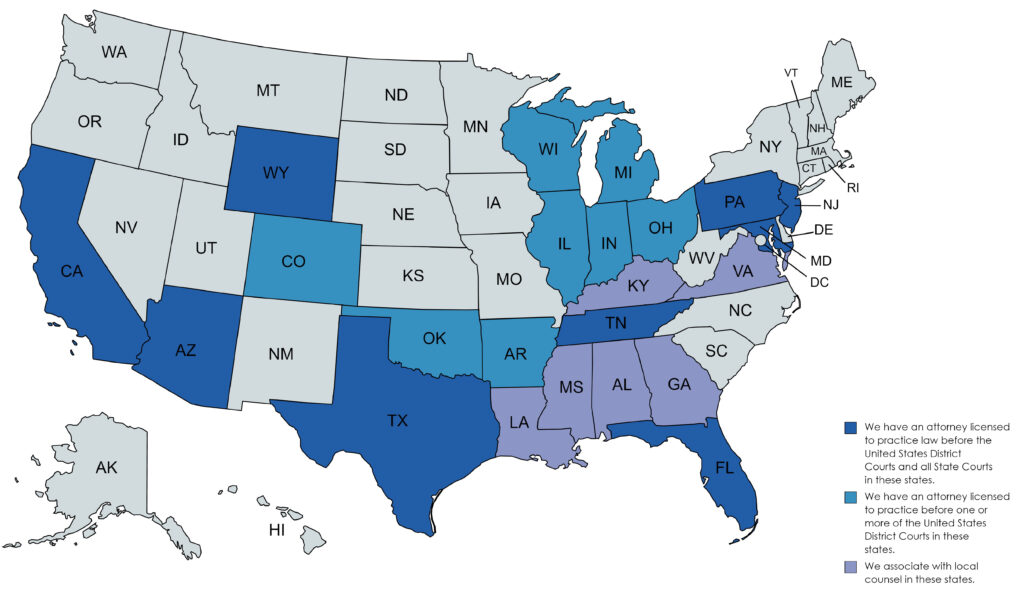
“We’ll take over your payments” and “rent-to-own, no bank needed” deals turn up in every state where we practice, including Pennsylvania, New Jersey, Maryland, Texas, Tennessee, Florida, Arizona and California. They often target people under pressure: homeowners facing a job move, divorce, illness or a hard-to-sell house, and buyers who can’t get a traditional mortgage. When the person in the middle stops paying, both families get hurt. The seller’s credit takes the hit and the buyer can lose the home and every dollar paid toward it.
What to do if you’re in a deal like this
- If you sold your home “subject to” your mortgage, pull your free credit reports at AnnualCreditReport.com and call your lender directly. The mortgage is still your debt. You have a right to know whether it’s being paid, and late payments that aren’t your fault may be worth disputing.
- If you’re buying on a land contract or rent-to-own lease, look up the property in the county recorder of deeds records. If the seller isn’t the owner of record, or there’s a mortgage in someone else’s name, get legal advice before paying anything more.
- Keep proof of every payment. Canceled checks, bank statements and receipts can matter if you have to defend an eviction or foreclosure, or claim restitution.
- Don’t ignore court papers. If you get an eviction complaint or a foreclosure notice, respond by the deadline. In Pennsylvania, if your home is one of the properties in this case, tell the court and the Attorney General about the injunction.
- Report it. The Attorney General asks anyone affected by this scheme who hasn’t already been in touch to call 1-800-441-2555. You can also file a complaint online.
Ginsburg Law Group helps consumers who’ve been harmed by deceptive real estate and credit practices, including damaged credit reports, wrongful collection and debt lawsuits. If a “we’ll take over your mortgage” or rent-to-own deal has gone wrong for you, contact us for a review.
This article is for general informational purposes only and is not legal advice. The claims described here are allegations in a pending lawsuit, and the defendants have not been found liable. Consult a licensed attorney about your specific situation.
Authoritative Sources
- PA Office of Attorney General: AG Sunday’s Bureau of Consumer Protection Sues Western Pa. Businesses who Sold Houses They Did not Own to Unsuspecting Buyers (Oct. 15, 2026)
- Complaint, Commonwealth v. Walters et al. (Allegheny Cty. C.P.)
- Order Granting Ex Parte Preliminary Injunction (Oct. 13, 2026)
- PA Office of Attorney General: Submit a Complaint
- AnnualCreditReport.com (free credit reports)