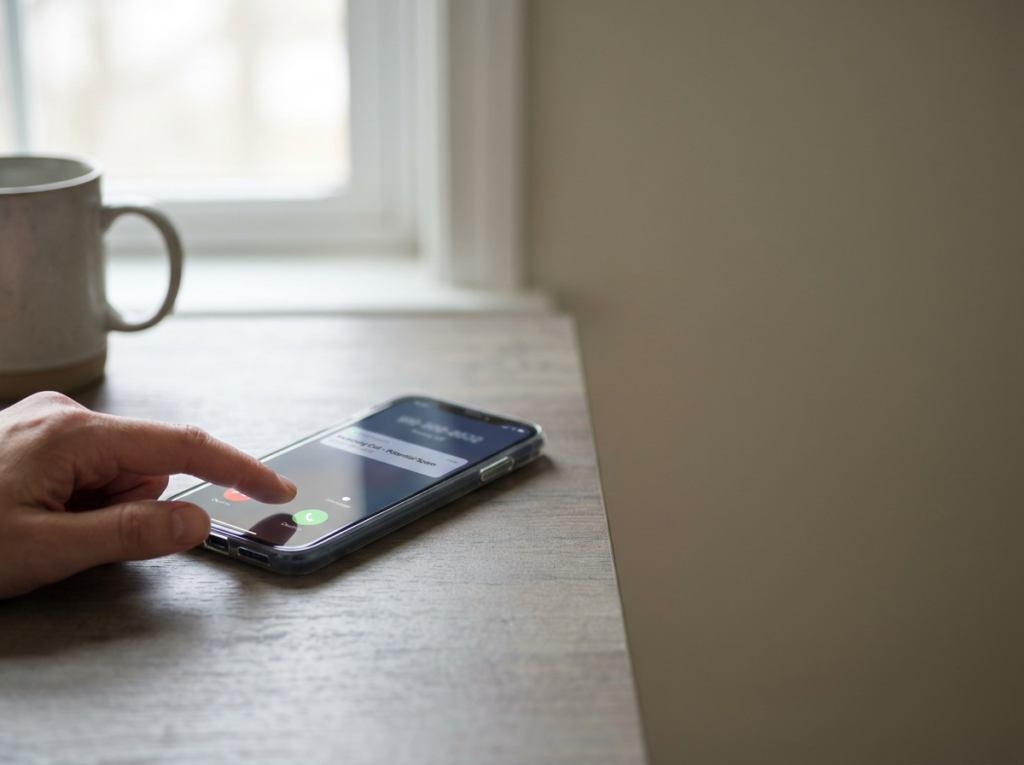
If you’ve ever told a company to stop calling or texting you, and they kept doing it anyway, federal law is on your side. The Telephone Consumer Protection Act (TCPA) lets you take back permission for automated calls and texts. When a company ignores you, you may have a claim.
That’s about to get more complicated. On September 30, 2026, the Federal Communications Commission is scheduled to vote on new rules that change how you’re allowed to say “stop.”
How it works right now
Under the current rules, you can revoke consent in any reasonable way that makes your wishes clear. You can reply to a text, tell the caller on the phone, send an email, or write a letter. The company doesn’t get to pick the method for you. Once you’ve said stop, it has up to 10 business days to honor it.
In 2024 the FCC also adopted a “revoke-all” rule. Under it, telling a company to stop one kind of automated message would stop all of them. That piece was delayed and isn’t scheduled to take effect until January 31, 2027.
What the FCC is proposing to change
The draft order the FCC will vote on makes two big changes.
1. Companies can choose how you opt out. A business could designate one or more approved methods as the only way to revoke consent:
- pressing a key or saying a word during an automated call,
- replying to a text with a standard word like STOP, QUIT, END, CANCEL, UNSUBSCRIBE, REVOKE or OPT OUT, or
- using a website or phone number the company provides.
If the company clearly and conspicuously tells you which method to use, it wouldn’t have to honor a stop request made any other way. Telling a live agent “take me off your list,” or sending an email, might not count anymore.
There’s an important safeguard. If the company doesn’t clearly disclose its chosen method, it still has to honor any reasonable request.
2. Opting out of one kind of message may not stop the others. For informational messages, like payment reminders, appointment notices or fraud alerts, you would revoke consent category by category. Opting out of payment reminders, for example, wouldn’t necessarily stop account alerts from the same company. Marketing is different: opting out of marketing would still stop all marketing messages.
The FCC is also asking for public comment on further changes. These include whether to shorten the 10-business-day deadline and whether to require that all texts allow a reply-to-opt-out.
Why this matters to you
The business groups pushing for this change argue that consumers “bypass” easy opt-out options to set up lawsuits. In my experience, that isn’t what usually happens. Most people who call me have said stop more than once, in whatever way felt natural, and the calls kept coming.
If the rule passes as drafted, how you said stop will matter as much as whether you said it. A consumer who told a live agent “don’t call me again” could find that request challenged if the company had disclosed a different exclusive method.
What you should do now
- Use the method the company gives you. If a text says “Reply STOP to opt out,” reply STOP, using that exact word. If an automated call offers a key press to opt out, press it.
- Take a screenshot. Capture your STOP reply and the company’s confirmation, if one comes. Make sure the date, time and number are visible.
- Keep a log. Write down every call or text after you opted out: the date, time, number and what was said. Your phone’s call history helps, but it doesn’t last forever.
- Don’t rely only on a verbal request. If you tell a live agent to stop, follow up with the company’s official opt-out method too.
- Save voicemails. Prerecorded messages left after you opted out are strong evidence.
- Watch the calendar. If calls or texts continue more than 10 business days after you opted out, that’s the point to talk to a lawyer.
The bottom line
The TCPA still protects you, and companies still have to honor proper opt-outs. But the rules for how you say no are about to get stricter. The best protection is to opt out the way the company tells you to, and to keep proof that you did.
If a company keeps calling or texting after you’ve told it to stop, Ginsburg Law Group can review your situation. TCPA claims can carry statutory damages of $500 to $1,500 per call or text, and in many cases the company pays the attorney’s fees.
This post is general information, not legal advice. The FCC’s final rule may differ from the draft described here.