After suffering an injury in an accident, your focus should be on healing. Unfortunately, the days and weeks following an accident are also when many people unknowingly make decisions that can negatively affect their insurance claim or lawsuit.
Insurance companies begin investigating almost immediately. They may review medical records, photographs, witness statements, surveillance footage, social media posts, and other evidence to evaluate—or challenge—your claim.
While every case is different, avoiding common mistakes can help preserve important evidence and strengthen your ability to pursue compensation.
This guide discusses ten of the most common mistakes people make after a personal injury accident and practical steps you can take to protect your rights.
Mistake #1: Waiting Too Long to Seek Medical Treatment
One of the biggest mistakes accident victims make is delaying medical care.
Some injuries may not produce immediate symptoms, including:
- Concussions
- Traumatic brain injuries
- Internal bleeding
- Soft tissue injuries
- Herniated discs
- Neck injuries
If you wait days or weeks before seeing a doctor, the insurance company may argue:
- Your injuries were not serious.
- Something else caused your injuries.
- Your condition worsened because you failed to obtain treatment.
Prompt medical evaluation protects both your health and creates documentation connecting your injuries to the accident.
Mistake #2: Failing to Follow Your Doctor’s Recommendations
Beginning treatment is only the first step.
Stopping physical therapy early, skipping appointments, or ignoring medical advice can create problems later.
Insurance companies often review medical records looking for:
- Missed appointments
- Gaps in treatment
- Failure to take prescribed medications
- Failure to attend follow-up visits
If treatment is interrupted, the insurer may argue that your injuries resolved sooner than claimed.
If circumstances prevent you from attending treatment, communicate with your healthcare provider and document the reason.
Mistake #3: Giving a Recorded Statement Without Understanding Your Rights
Soon after an accident, an insurance adjuster may contact you requesting a recorded statement.
While every situation is different, remember:
- Adjusters work for insurance companies.
- Their job is to investigate the claim.
- Statements made early in the case may later be compared with medical records or other evidence.
Providing accurate information is important, but you should understand the purpose and potential consequences of any recorded statement before participating.
Mistake #4: Posting About the Accident on Social Media
Social media has become one of the most common sources of evidence in injury cases.
Posts may be misunderstood or taken out of context.
Examples include:
- Vacation photos.
- Gym check-ins.
- Recreational activities.
- Comments about the accident.
- Statements regarding your injuries.
Even an innocent photograph may be used to argue that your injuries are less serious than claimed.
Until your claim is resolved, consider limiting public discussion of the accident and reviewing your privacy settings.
Mistake #5: Failing to Preserve Evidence
Evidence can disappear quickly.
Important evidence may include:
- Photographs of the accident scene.
- Damaged vehicles.
- Clothing worn during the accident.
- Shoes involved in a slip and fall.
- Surveillance footage.
- Dash camera recordings.
- Witness contact information.
- Police reports.
Whenever possible, preserve items in their original condition.
In some cases, businesses or government agencies may routinely overwrite surveillance video after only a short period.
Mistake #6: Accepting the First Settlement Offer Too Quickly
After an accident, medical bills and lost income can create financial pressure.
Insurance companies sometimes make early settlement offers before the full extent of an injury is known.
Accepting a settlement too soon may leave you responsible for:
- Future surgeries.
- Additional therapy.
- Chronic pain treatment.
- Long-term rehabilitation.
- Future lost wages.
Once a settlement agreement is signed, it may permanently resolve your claim.
Before accepting an offer, make sure you understand the nature of your injuries and the terms of the settlement.
Mistake #7: Exaggerating or Minimizing Your Injuries
Honesty is essential.
Exaggerating symptoms can damage your credibility.
At the same time, many people unintentionally minimize their injuries by saying things like:
- “I’m fine.”
- “It’s just a little sore.”
- “It’s no big deal.”
Adrenaline immediately following an accident may temporarily mask pain.
Instead of guessing, accurately describe your symptoms to healthcare providers and update them if your condition changes.
Mistake #8: Ignoring Deadlines
Every state has deadlines that affect personal injury claims.
Examples include:
- Statutes of limitations.
- Insurance notice requirements.
- Government claim deadlines.
- Court filing deadlines.
Missing an applicable deadline may significantly affect—or even prevent—your ability to pursue compensation.
Because deadlines vary by state and the facts of the case, determining the applicable time limits early is important.
Mistake #9: Assuming Minor Property Damage Means Minor Injuries
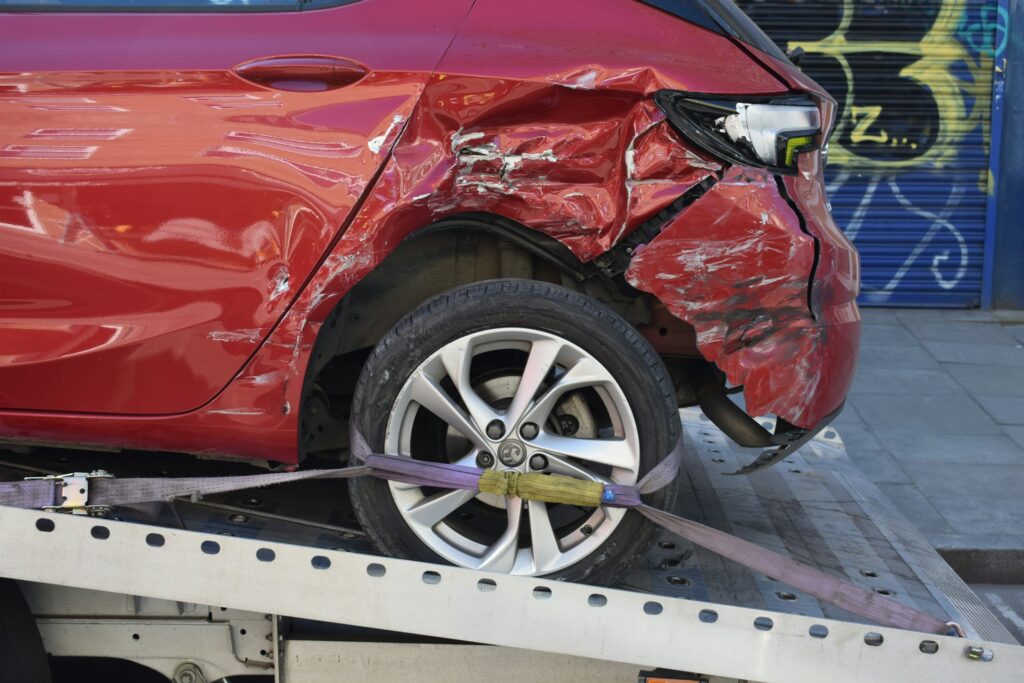
Vehicle damage does not always reflect the severity of an injury.
Some collisions that produce relatively modest vehicle damage may still result in:
- Whiplash.
- Concussions.
- Herniated discs.
- Shoulder injuries.
- Knee injuries.
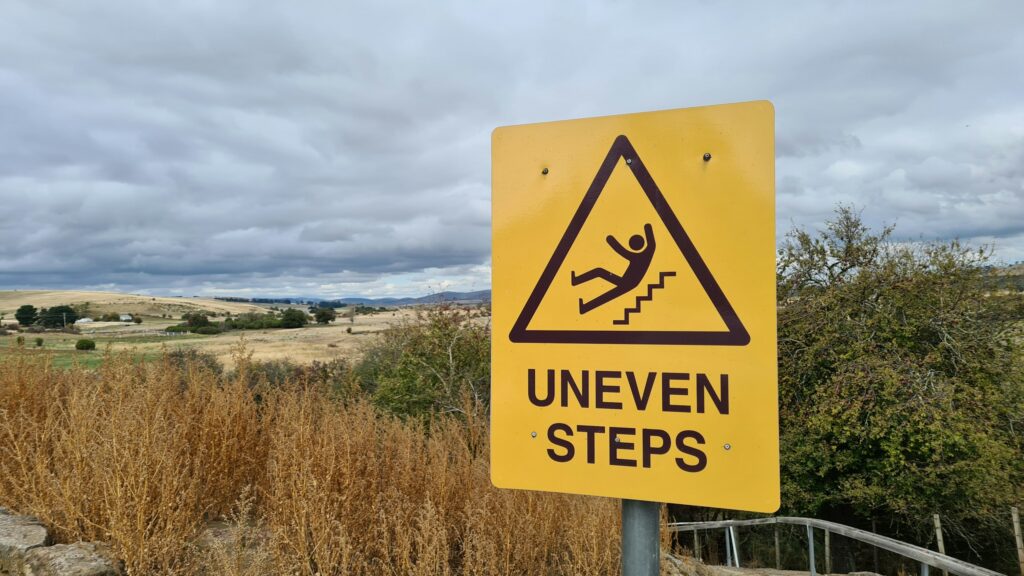
Similarly, a slip and fall may leave little visible evidence while causing serious fractures or spinal injuries.
Medical evaluation—not vehicle damage alone—determines the extent of an injury.
Mistake #10: Waiting Too Long to Learn About Your Legal Options
Many people wait until problems arise before seeking legal guidance.
Questions often arise regarding:
- Insurance coverage.
- Liability.
- Comparative negligence.
- Medical bills.
- Lost wages.
- Settlement negotiations.
- Litigation.
Understanding your legal rights early in the process can help you make informed decisions and avoid costly mistakes.
Additional Tips for Protecting Your Injury Claim
After an accident, consider taking these additional steps:
- Keep copies of all medical records.
- Save receipts for accident-related expenses.
- Maintain a journal documenting your symptoms and recovery.
- Photograph your injuries as they heal.
- Obtain repair estimates or property damage documentation.
- Keep records of missed work and lost income.
- Follow all medical recommendations.
Good documentation often makes it easier to demonstrate the impact the accident has had on your life.
Frequently Asked Questions
Can posting one photo on social media really affect my injury claim?
Potentially. A single photograph or comment may be viewed differently when taken out of context. Insurance companies sometimes review publicly available social media content as part of their investigation.
What if I didn’t go to the emergency room immediately?
Not every injury requires emergency treatment. However, obtaining medical evaluation as soon as reasonably possible can help identify injuries and create documentation connecting them to the accident.
Is it okay to repair my vehicle before taking photographs?
Photograph the vehicle thoroughly before repairs begin whenever possible. The damage may later become important evidence.
Should I keep copies of my medical bills?
Yes. Medical bills, treatment records, receipts, and documentation of out-of-pocket expenses may all become important parts of an injury claim.
What if the insurance company denies my claim?
A denial does not necessarily mean your case lacks merit. The appropriate next steps depend on the reason for the denial, the available evidence, and the applicable law.
Protect Yourself by Avoiding Costly Mistakes
The decisions you make after an accident can have a lasting impact on your health, finances, and legal rights. By seeking prompt medical care, preserving evidence, following your treatment plan, and understanding the claims process, you can avoid many of the common mistakes that complicate personal injury cases.
Whether your injuries resulted from a car accident, truck accident, motorcycle crash, slip and fall, or another act of negligence, taking informed and timely action can help protect your ability to pursue compensation.
If you have questions about your rights after an accident, Ginsburg Law Group, P.C. can evaluate your case, explain your legal options, and help you navigate the personal injury claims process.
Contact Ginsburg Law Group today to schedule a consultation and learn how we may be able to help.