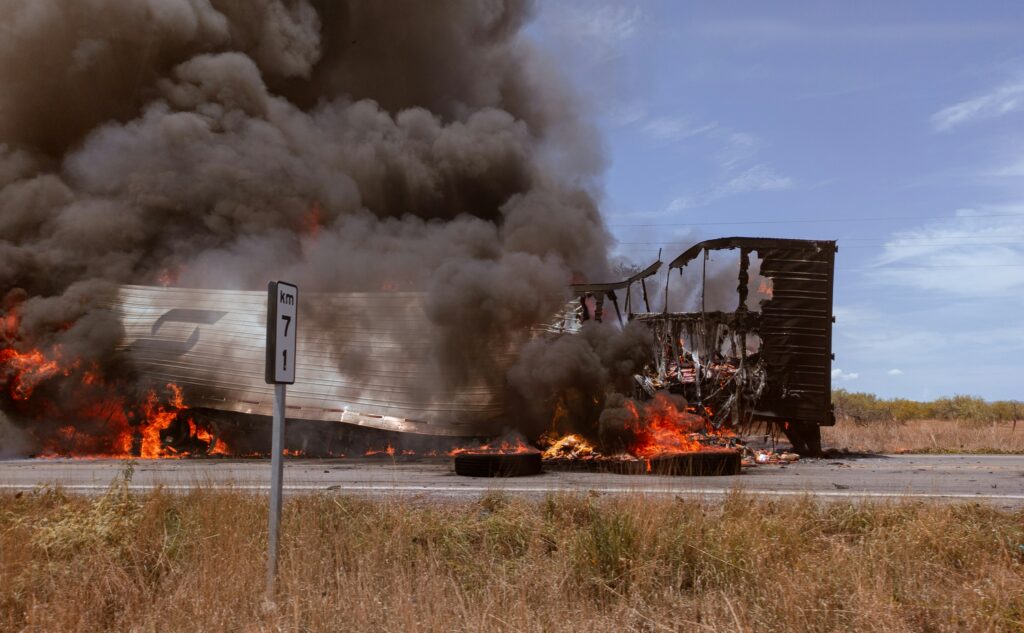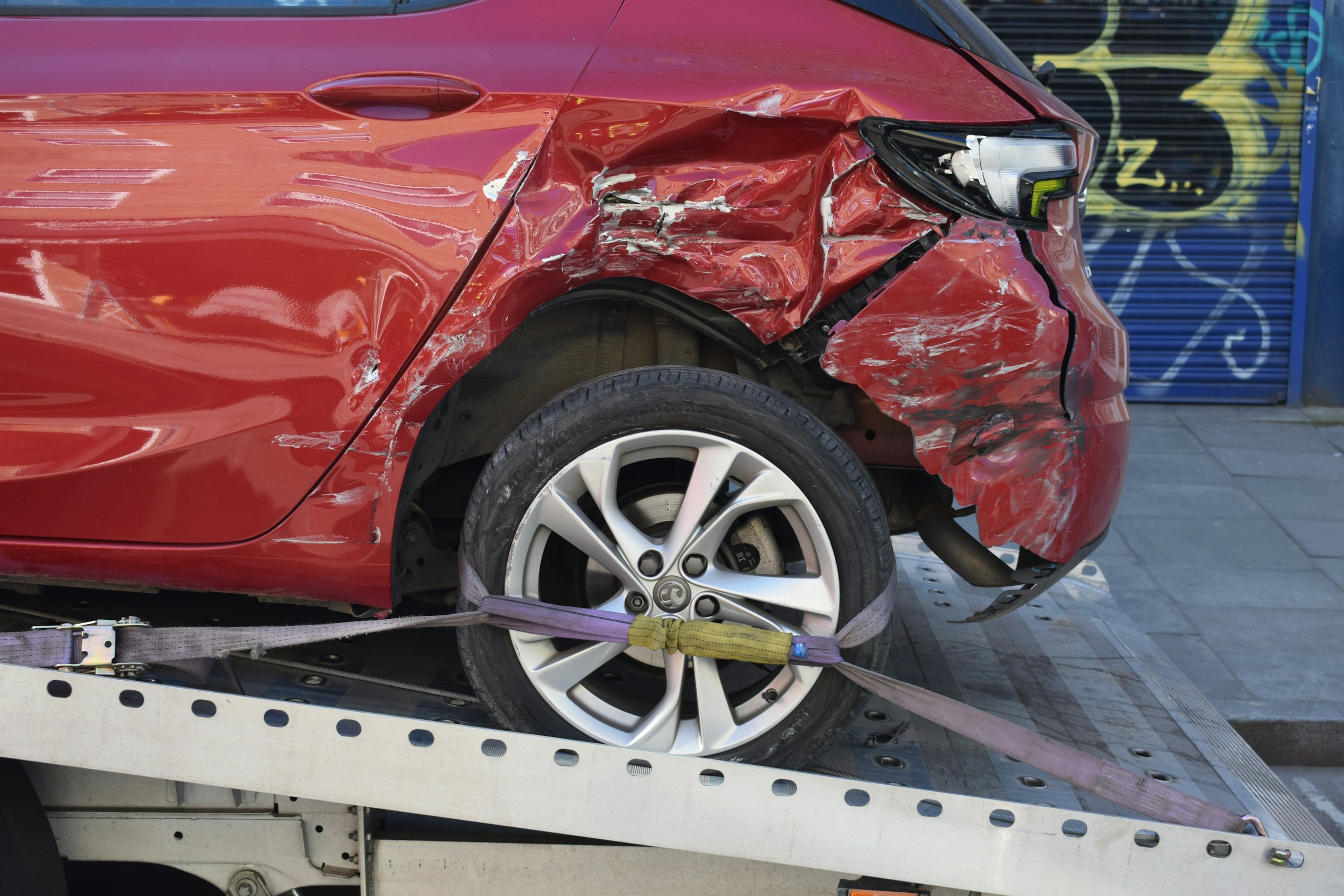
A car accident can happen in a matter of seconds, but the physical, emotional, and financial consequences can last for months—or even years. From mounting medical bills and missed time at work to dealing with insurance adjusters and vehicle repairs, the aftermath of a crash can quickly become overwhelming.
Whether you were rear-ended at a stoplight, struck by a distracted driver, involved in a multi-vehicle collision, or injured by a drunk or reckless motorist, understanding your legal rights is an important first step toward protecting yourself and your family.
This guide explains how car accident claims work, what you should do immediately after a collision, the types of compensation that may be available, and common mistakes that can hurt your case.
What Should You Do Immediately After a Car Accident?
The moments after a collision are often confusing and stressful. Taking the right steps can protect both your health and your legal rights.
Check for Injuries
Your first priority should always be safety.
Check yourself and your passengers for injuries and call 911 immediately if anyone appears to need medical attention.
Even if injuries seem minor, emergency responders can evaluate everyone involved and arrange transportation to a hospital if necessary.
Move to Safety
If the vehicles can be moved safely and doing so is permitted under local law, move them out of active traffic to reduce the risk of additional collisions.
Turn on your hazard lights and remain in a safe location until law enforcement arrives.
Call the Police
In many states, accidents involving injuries, fatalities, or significant property damage should be reported to law enforcement.
The responding officer will typically:
- Investigate the accident.
- Interview drivers and witnesses.
- Document road and weather conditions.
- Prepare an accident report.
The police report often becomes an important piece of evidence during the insurance claim process.
Gather Information at the Scene
If you are physically able, collect as much information as possible before leaving the accident scene.
Important information includes:
- Driver names
- Addresses
- Phone numbers
- Driver’s license numbers
- License plate numbers
- Insurance information
- Vehicle makes and models
- Names of passengers
- Witness contact information
If the other driver was operating a company vehicle, note the employer’s name and any identifying information on the vehicle.
Take Photographs
Pictures taken immediately after the accident can provide valuable evidence later.
Photograph:
- All vehicle damage
- The position of the vehicles
- Skid marks
- Debris
- Traffic signs and signals
- Road conditions
- Weather conditions
- Visible injuries
- Airbag deployment
If possible, take photographs from multiple angles.
Seek Medical Treatment Promptly
One of the biggest mistakes accident victims make is waiting days—or even weeks—to seek medical care.
Many serious injuries may not produce immediate symptoms, including:
- Concussions
- Whiplash
- Herniated discs
- Internal bleeding
- Soft tissue injuries
- Traumatic brain injuries
Prompt medical evaluation protects your health while creating documentation connecting your injuries to the accident.
Common Causes of Car Accidents
Motor vehicle accidents occur for many reasons.
Some of the most common causes include:
Distracted Driving
Distractions may involve:
- Texting
- Cell phone use
- GPS devices
- Eating
- Adjusting the radio
- Talking with passengers
Even a few seconds of inattention can lead to devastating consequences.
Speeding
Excessive speed increases:
- Stopping distance
- Crash severity
- Risk of losing vehicle control
- Likelihood of serious injuries
Speed remains one of the leading contributors to serious automobile accidents.
Drunk or Drug-Impaired Driving
Alcohol and drugs impair:
- Judgment
- Reaction time
- Coordination
- Vision
- Decision-making
Drivers who choose to operate vehicles while impaired place everyone on the road at risk.
Failure to Yield
Failure-to-yield accidents commonly occur at:
- Intersections
- Left turns
- Highway merges
- Crosswalks
Determining right-of-way is often an important issue in these cases.
Rear-End Collisions
Rear-end crashes are among the most common types of accidents.
Common causes include:
- Following too closely
- Distracted driving
- Speeding
- Sudden stops
- Weather conditions
Although some rear-end collisions appear minor, they can still result in significant injuries.
Weather Conditions
Rain, snow, fog, and ice reduce traction and visibility.
Drivers are expected to adjust their speed and driving behavior to account for weather conditions.
Common Car Accident Injuries
Motor vehicle collisions can cause injuries ranging from minor bruises to permanent disabilities.
Common injuries include:
- Whiplash
- Neck injuries
- Back injuries
- Herniated discs
- Broken bones
- Knee injuries
- Shoulder injuries
- Traumatic brain injuries
- Concussions
- Spinal cord injuries
- Burns
- Facial injuries
- Internal bleeding
- Psychological trauma
- Post-traumatic stress disorder (PTSD)
Some injuries require surgery, rehabilitation, or lifelong medical care.
Understanding Fault in a Car Accident
One of the first questions after a crash is, “Who was at fault?”
Determining fault often requires reviewing evidence such as:
- Police reports
- Witness statements
- Vehicle damage
- Surveillance footage
- Dash camera recordings
- Traffic camera footage
- Cell phone records
- Accident reconstruction analysis
In some states, more than one driver may share responsibility for an accident.
Comparative and Contributory Negligence
Many states follow comparative negligence rules, which allow an injured person to recover compensation even if they were partially responsible for the accident. Their recovery may be reduced by their percentage of fault.
A few states follow contributory negligence, a stricter rule that may prevent recovery if the injured person is found even minimally at fault.
Because these rules vary by state, it is important to understand the law where the accident occurred.
No-Fault vs. At-Fault Insurance States
Insurance laws differ significantly across the country.
No-Fault States
In no-fault states, injured drivers often seek initial medical benefits from their own insurance policy through Personal Injury Protection (PIP), regardless of who caused the accident.
Depending on the severity of the injuries and applicable state law, a lawsuit against the at-fault driver may still be permitted.
At-Fault States
In at-fault states, the driver responsible for causing the collision (or that driver’s insurance company) is generally responsible for paying covered damages.
Dealing with Insurance Companies
Soon after the accident, you may receive calls from insurance adjusters.
Keep in mind:
- Insurance adjusters investigate claims on behalf of insurance companies.
- Early settlement offers may not reflect the full value of your claim.
- You may be asked to provide a recorded statement.
- Medical authorizations may allow broad access to your health records.
Before agreeing to recorded statements or signing documents, it is often helpful to understand your legal rights.
What Compensation May Be Available?
If another party is legally responsible for your injuries, you may be entitled to seek compensation for a variety of damages.
Medical Expenses
These may include:
- Emergency room treatment
- Hospital stays
- Surgery
- Physical therapy
- Chiropractic care
- Prescription medications
- Medical equipment
- Future medical treatment
Lost Income
If your injuries prevent you from working, you may be able to recover compensation for:
- Lost wages
- Lost overtime
- Lost bonuses
- Lost commissions
- Reduced future earning capacity
Property Damage
Claims may include:
- Vehicle repair costs
- Vehicle replacement if totaled
- Rental car expenses
- Damage to personal property inside the vehicle
Pain and Suffering
Depending on state law, compensation may also be available for:
- Physical pain
- Emotional distress
- Anxiety
- Depression
- Loss of enjoyment of life
- Permanent disability
- Scarring or disfigurement
Wrongful Death
If a loved one dies in a motor vehicle accident, surviving family members may have legal rights under applicable wrongful death laws.
Common Mistakes That Can Hurt Your Claim
Avoid these common errors after a collision:
- Delaying medical treatment.
- Failing to follow your doctor’s recommendations.
- Posting about the accident on social media.
- Throwing away damaged property.
- Repairing your vehicle before it is documented.
- Missing insurance deadlines.
- Accepting a settlement before understanding the full extent of your injuries.
- Exaggerating or minimizing your symptoms.
Taking thoughtful steps early in the process can help preserve important evidence.
How Long Do You Have to File a Lawsuit?
Every state has a statute of limitations that limits the amount of time you have to file a personal injury lawsuit.
The deadline may vary depending on:
- The state where the accident occurred.
- Whether a government vehicle was involved.
- The age of the injured person.
- Other legal considerations.
Failing to file within the applicable time period may prevent recovery.
Frequently Asked Questions
Should I see a doctor if I don’t feel seriously injured?
Yes. Some injuries may not become apparent until hours or days after the accident. Prompt medical evaluation can help identify hidden injuries and create important medical documentation.
What if the other driver was uninsured?
Depending on your insurance coverage, uninsured or underinsured motorist benefits may be available. Coverage varies by policy and state law.
Can passengers file injury claims?
Yes. Injured passengers are often entitled to pursue claims against the responsible party or parties, regardless of which driver caused the accident.
How much is my car accident case worth?
Every case is unique. The value of a claim depends on factors such as the severity of the injuries, medical expenses, lost wages, future medical needs, insurance coverage, and the facts surrounding the accident.
Do I need an attorney after a car accident?
Not every accident requires legal representation. However, if you suffered significant injuries, liability is disputed, multiple parties are involved, or the insurance company denies or undervalues your claim, consulting an attorney can help you understand your options.
Protecting Your Rights After a Car Accident
A serious car accident can affect nearly every aspect of your life—from your health and finances to your ability to work and care for your family. While every case is different, understanding the claims process and preserving important evidence can make a significant difference in the outcome of your case.
If you have been injured in a motor vehicle accident, Ginsburg Law Group, P.C. can review your case, explain your legal options, and help you pursue the compensation you may be entitled to recover.
Contact Ginsburg Law Group today to schedule a consultation and learn more about your rights after a car accident.