A car accident can happen in seconds, but the decisions you make afterward can affect your health, insurance claim, and potential legal case for months or even years.
Whether the accident is minor or serious, knowing what to do immediately afterward can help protect both your safety and your legal rights.
If you are involved in a car accident in Pennsylvania, the following steps can help ensure the situation is handled properly.
1. Check for Injuries and Call 911
The first priority after any car accident is safety.
Check yourself and any passengers for injuries. If anyone appears injured or complains of pain, call 911 immediately so emergency responders can provide medical assistance.
Even if injuries seem minor, it is often best to request medical help. Some injuries—such as concussions, internal injuries, or soft tissue damage—may not appear immediately.
Prompt medical evaluation can protect your health and also create an official record of the injury.
2. Move to a Safe Location if Possible
If the vehicles involved in the accident are creating a hazard or blocking traffic, Pennsylvania law encourages drivers to move vehicles to a safe location if it can be done safely.
Examples include:
- Pulling onto the shoulder
- Moving into a nearby parking lot
- Turning on hazard lights
If the vehicles cannot be moved safely, remain inside the vehicle and wait for emergency personnel.
3. Contact Law Enforcement
In Pennsylvania, you should call the police if an accident involves:
- Injuries
- Death
- Significant property damage
- Disabled vehicles
A responding officer will typically prepare a police accident report, which can become an important piece of evidence later.
The report may include:
- Driver information
- Insurance information
- Statements from drivers and witnesses
- Initial observations regarding fault
Even in smaller accidents, having an official report can help resolve disputes.
4. Exchange Information With the Other Driver
Pennsylvania drivers involved in an accident should exchange certain information, including:
- Full name and contact information
- Driver’s license number
- License plate number
- Insurance company and policy number
- Vehicle make and model
Be polite but avoid discussing who was at fault. Determining liability may require investigation and evidence.
5. Gather Evidence at the Scene
If you are physically able to do so, collecting evidence can help protect your claim later.
Important evidence may include:
Photos
Take photos of:
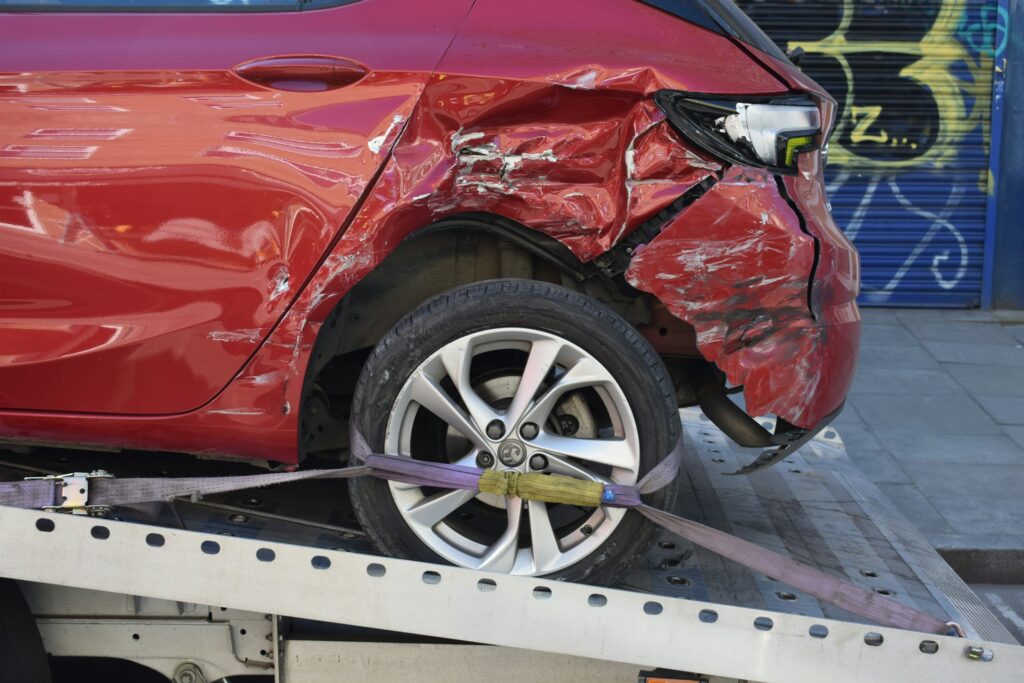
- Vehicle damage
- The accident scene
- Road conditions
- Traffic signals or signs
- Skid marks or debris
- Visible injuries
Smartphone photos can be extremely valuable in reconstructing what happened.
Witness Information
If anyone witnessed the accident, try to obtain their:
- Name
- Phone number
- Email address
Witness statements may help confirm how the accident occurred if the other driver disputes liability.
6. Seek Medical Attention as Soon as Possible
Even if you do not require an ambulance, you should still seek medical care shortly after the accident.
Common delayed symptoms include:
- Neck pain (whiplash)
- Back injuries
- Headaches or dizziness
- Soft tissue injuries
Waiting too long to seek treatment can create problems when trying to prove that the injury was caused by the accident.
Medical records help establish the connection between the accident and your injuries.
7. Notify Your Insurance Company
Most insurance policies require drivers to report accidents promptly.
When speaking with your insurance company:
- Provide basic facts about the accident
- Avoid speculation about fault
- Do not exaggerate or minimize injuries
If the other driver’s insurance company contacts you, be cautious about providing recorded statements before understanding your rights.
8. Avoid Discussing the Accident on Social Media
After an accident, it may be tempting to post updates online.
However, insurance companies sometimes review social media accounts during claims investigations.
Posts, photos, or comments could potentially be used to argue that injuries are less serious than claimed.
For this reason, it is generally best to avoid discussing the accident publicly online.
9. Keep Records of All Expenses and Medical Treatment
If you were injured in the accident, keeping organized records can help support a claim for compensation.
Important documentation may include:
- Medical bills
- Doctor visit records
- Physical therapy invoices
- Prescription costs
- Vehicle repair estimates
- Documentation of missed work
These records help demonstrate the financial impact of the accident.
10. Consider Speaking With a Personal Injury Attorney
Car accident claims often involve complex insurance issues and legal questions.
An experienced personal injury attorney can help:
- Investigate how the accident occurred
- Gather evidence and witness statements
- Evaluate available insurance coverage
- Negotiate with insurance companies
- Protect your rights if litigation becomes necessary
Many personal injury attorneys offer free consultations, allowing injured individuals to learn about their options.
Understanding Pennsylvania’s No-Fault Insurance System
Pennsylvania uses a no-fault auto insurance system for certain types of accident claims.
This means that drivers typically rely on their own Personal Injury Protection (PIP) coverage to pay for initial medical expenses regardless of who caused the accident.
However, in cases involving serious injuries, individuals may still pursue claims against the at-fault driver.
Understanding how Pennsylvania’s insurance system works can be important when evaluating potential compensation.
Contact Ginsburg Law Group
If you were injured in a car accident caused by another driver’s negligence, you may have the right to pursue compensation for your injuries and financial losses.
The attorneys at Ginsburg Law Group represent individuals throughout Pennsylvania who have been injured in accidents due to the negligence of others.
To discuss your situation and learn about your legal options, contact our office to schedule a consultation.
This article is for informational purposes only and does not constitute legal advice.