A simple trip to the grocery store, restaurant, shopping mall, apartment complex, or office building can quickly turn into a life-changing event when dangerous property conditions cause a serious fall. While some people dismiss slip and fall accidents as minor incidents, the reality is that these accidents can result in devastating injuries, extensive medical treatment, lost income, and long-term physical limitations.
According to national safety data, falls are among the leading causes of injury-related emergency room visits in the United States. Older adults are particularly vulnerable, but people of all ages can suffer significant injuries from an unexpected fall.
If you were injured because a property owner failed to maintain reasonably safe premises, you may have the right to pursue compensation through a premises liability claim.
This guide explains how slip and fall cases work, what must be proven, common defenses property owners raise, and what you should do after an accident.
What Is a Slip and Fall Accident?
A slip and fall accident occurs when a hazardous condition on someone else’s property causes a visitor to lose their footing and suffer an injury.
Slip and fall cases are part of a broader area of law known as premises liability.
Property owners, businesses, landlords, and others responsible for maintaining property generally have a legal duty to use reasonable care to keep their premises reasonably safe for lawful visitors.
When they fail to do so—and someone is injured as a result—they may be legally responsible for the damages that follow.
Where Do Slip and Fall Accidents Commonly Occur?
Slip and fall accidents can happen almost anywhere.
Common locations include:
- Grocery stores
- Retail stores
- Shopping centers
- Restaurants
- Hotels
- Apartment complexes
- Parking lots
- Sidewalks
- Office buildings
- Hospitals
- Nursing homes
- Schools
- Hotels and resorts
- Sports venues
- Airports
- Government buildings
Each location presents unique safety responsibilities depending on the circumstances.
Common Causes of Slip and Fall Accidents
Many falls occur because dangerous conditions are not corrected promptly.
Some of the most common hazards include:
Wet Floors
One of the leading causes of slip and fall accidents is liquid on walking surfaces.
Examples include:
- Spilled drinks
- Recently mopped floors
- Leaking refrigeration units
- Rainwater tracked indoors
- Plumbing leaks
Businesses should address spills promptly and use appropriate warning signs when necessary.
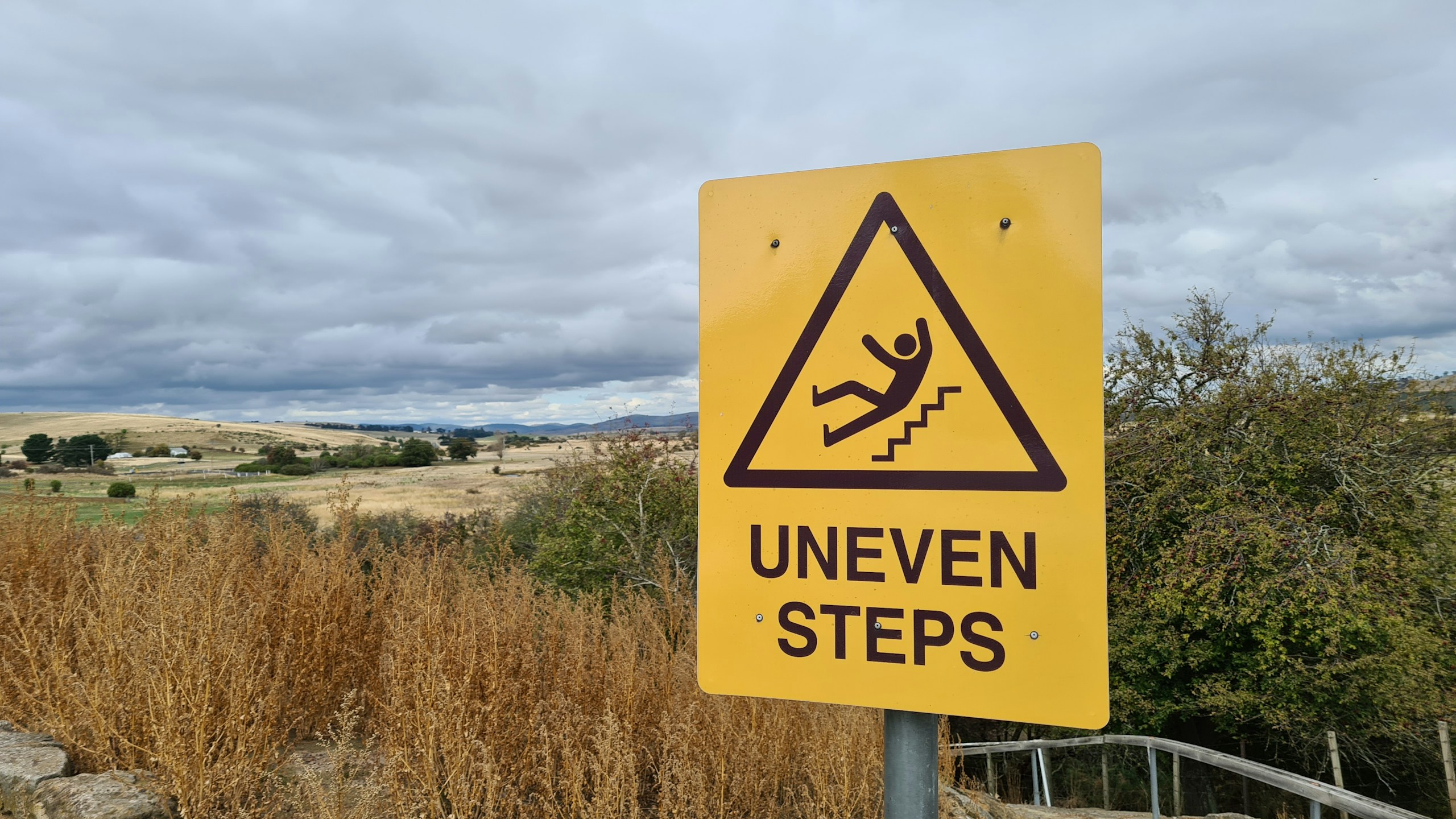
Uneven Walking Surfaces
Dangerous walking surfaces may include:
- Broken sidewalks
- Uneven pavement
- Raised concrete slabs
- Loose flooring
- Torn carpeting
- Missing tiles
Even relatively small height differences can create serious tripping hazards.
Snow and Ice
Winter weather frequently contributes to falls.
Property owners may have responsibilities regarding:
- Snow removal
- Ice treatment
- Salting walkways
- Clearing entrances
- Maintaining parking lots
The exact duties vary depending on state law and the circumstances.
Poor Lighting
Insufficient lighting can make otherwise avoidable hazards difficult to see.
Examples include:
- Burned-out light fixtures
- Dark stairwells
- Poorly illuminated parking lots
- Dim hallways
Adequate lighting is often an important component of maintaining reasonably safe premises.
Unsafe Stairways
Stair-related accidents may result from:
- Broken steps
- Loose handrails
- Uneven risers
- Worn stair treads
- Poor lighting
- Missing railings
Stairway falls frequently result in significant injuries.
Cluttered Walkways
Boxes, merchandise, electrical cords, construction materials, or other obstacles left in walking paths may create dangerous conditions for customers and visitors.
Not Every Fall Results in Liability
Simply falling on someone else’s property does not automatically mean the property owner is legally responsible.
To succeed in many premises liability cases, an injured person generally must establish several legal elements.
These often include showing that:
- A dangerous condition existed.
- The property owner knew or should have known about the condition.
- The owner failed to take reasonable steps to correct or warn about the danger.
- The hazardous condition caused the injury.
- The injured person suffered actual damages.
Because these requirements vary by state, the specific legal standards applicable to your claim may differ.
What Is “Notice” in a Slip and Fall Case?
One of the most important issues in many premises liability cases is whether the property owner had notice of the dangerous condition.
Notice may be:
Actual Notice
This means the property owner or employees actually knew about the hazard.
Examples include:
- Employees observed the spill.
- Customers reported the condition.
- Maintenance personnel documented the problem.
Constructive Notice
Even if the owner denies knowing about the hazard, liability may still exist if the dangerous condition existed long enough that it reasonably should have been discovered through proper inspection.
Examples might include:
- Dirt tracked through a spill indicating it had been present for an extended period.
- Security footage showing the condition existed for a significant time.
- Maintenance logs revealing inadequate inspections.
Common Slip and Fall Injuries
Falls frequently cause injuries ranging from relatively minor to life-threatening.
Examples include:
- Broken wrists
- Broken ankles
- Hip fractures
- Knee injuries
- Shoulder injuries
- Torn ligaments
- Herniated discs
- Neck injuries
- Traumatic brain injuries (TBI)
- Concussions
- Spinal cord injuries
- Facial fractures
- Internal injuries
Older adults often face particularly serious complications, including prolonged recovery periods and reduced independence.
What Should You Do After a Slip and Fall?
The actions you take immediately after an accident may significantly affect both your recovery and any future legal claim.
Report the Accident
Notify the property owner, manager, or employee as soon as possible.
Ask that an incident report be prepared if appropriate.
Request a copy if available.
Seek Medical Treatment
Even if you believe your injuries are minor, obtain medical evaluation promptly.
Some injuries—particularly concussions, internal injuries, and soft tissue damage—may not produce immediate symptoms.
Medical records also help document the connection between your injuries and the accident.
Take Photographs
If possible, photograph:
- The hazardous condition.
- The surrounding area.
- Warning signs (or lack of warning signs).
- Lighting conditions.
- Footwear.
- Visible injuries.
Conditions may change quickly after an accident, making early photographs extremely valuable.
Identify Witnesses
Witnesses can provide important information regarding:
- How long the hazard existed.
- Whether employees knew about it.
- Whether warning signs were present.
- How the accident occurred.
Obtain names and contact information whenever possible.
Preserve Evidence
Keep:
- The shoes you were wearing.
- Clothing worn during the fall.
- Medical records.
- Medical bills.
- Receipts.
- Photographs.
- Correspondence with insurance companies.
Avoid altering or discarding potential evidence.
What If There Was a Warning Sign?
Many people assume that the presence of a “Wet Floor” sign automatically eliminates liability.
That is not always the case.
Whether a warning was adequate depends on factors such as:
- Placement.
- Visibility.
- Timing.
- Whether the warning reasonably addressed the specific hazard.
Each case depends on its own facts.
Comparative Negligence
Property owners sometimes argue that the injured person was partially responsible for the accident.
Examples include allegations that the injured person:
- Was distracted.
- Was using a cellphone.
- Ignored warning signs.
- Wore inappropriate footwear.
- Failed to watch where they were walking.
Many states follow comparative negligence rules that may reduce—or in some jurisdictions bar—recovery depending on the injured person’s percentage of fault.
Evidence That Can Strengthen a Slip and Fall Claim
Successful premises liability cases often rely on strong evidence.
Important evidence may include:
- Surveillance video.
- Incident reports.
- Photographs.
- Witness statements.
- Maintenance records.
- Cleaning logs.
- Inspection records.
- Prior complaints.
- Employee statements.
- Medical records.
Prompt investigation may help preserve evidence that could otherwise disappear.
What Compensation May Be Available?
If liability is established, compensation may include:
Medical Expenses
Examples include:
- Emergency treatment.
- Surgery.
- Hospitalization.
- Rehabilitation.
- Physical therapy.
- Prescription medications.
- Future medical care.
Lost Income
Serious injuries may prevent victims from working.
Damages may include:
- Lost wages.
- Lost overtime.
- Lost bonuses.
- Reduced future earning capacity.
Pain and Suffering
Depending on state law, compensation may also be available for:
- Physical pain.
- Emotional distress.
- Anxiety.
- Loss of enjoyment of life.
- Permanent disability.
- Disfigurement.
Other Damages
Some claims may also include compensation for:
- Household assistance.
- Home modifications.
- Transportation expenses.
- Other accident-related financial losses.
The damages available depend on the facts of the case and applicable law.
How Long Do You Have to File a Slip and Fall Lawsuit?
Every state establishes deadlines—known as statutes of limitations—for filing personal injury lawsuits.
The applicable deadline may vary depending on:
- Where the accident occurred.
- Whether the defendant is a governmental entity.
- The injured person’s age.
- Other legal considerations.
Failing to file within the applicable time period may prevent recovery.
Frequently Asked Questions
Can I recover compensation if I slipped on a wet floor?
Possibly. Liability generally depends on whether the property owner knew or should have known about the dangerous condition and failed to take reasonable steps to address it or warn visitors.
What if there were no witnesses?
A lack of witnesses does not automatically prevent recovery. Surveillance video, photographs, maintenance records, incident reports, and other evidence may still help establish what happened.
Should I give a recorded statement to the insurance company?
Before providing a recorded statement, it is often helpful to understand your legal rights and the potential impact your statements may have on your claim.
How much is my slip and fall case worth?
Every case is different. The value of a claim depends on many factors, including the severity of the injuries, medical expenses, lost income, future treatment needs, and the facts surrounding the accident.
What if I slipped because it was raining outside?
Weather-related cases can be complex. Liability often depends on whether the property owner acted reasonably under the circumstances, including maintaining walkways and addressing known hazards in a timely manner.
Protecting Your Rights After a Slip and Fall
A slip and fall accident can have lasting physical, emotional, and financial consequences. While not every fall results in legal liability, property owners generally have a responsibility to maintain reasonably safe premises for visitors. When they fail to do so, injured individuals may have the right to seek compensation for their losses.
If you have been injured in a slip and fall accident at a business, apartment complex, retail store, restaurant, parking lot, or other property, Ginsburg Law Group, P.C. can evaluate your case, explain your legal options, and help you understand your rights.
Contact Ginsburg Law Group today to schedule a consultation and learn more about pursuing a premises liability or slip and fall injury claim.