A New Generation of Credit Scoring Is Here—Here’s What It Could Mean for Your Financial Future
Your Credit Score May Be Changing—Even If You Haven’t Changed Anything
For years, most consumers have been familiar with one name when it comes to credit scores: FICO.
But today, another scoring model is becoming increasingly important: VantageScore.
Banks, credit card companies, auto lenders, and mortgage lenders are continuing to adopt newer credit scoring models, and VantageScore has now introduced its latest version—VantageScore 5.0.
If you’re planning to:
- Buy a home
- Finance a vehicle
- Apply for a credit card
- Refinance debt
- Take out a personal loan
there’s a good chance a lender may use a VantageScore model when evaluating your application.
That raises an important question:
What exactly is VantageScore 5.0, and should consumers care?
The answer is yes.
Understanding how credit scores work—and why different lenders may calculate them differently—can help you make smarter financial decisions and avoid unnecessary surprises during the lending process.
First Things First: There Isn’t Just One Credit Score
One of the biggest misconceptions consumers have is believing they have one single credit score.
They don’t.
In reality, you may have dozens of different credit scores.
Those scores vary because they are based on:
- Different credit bureaus
- Different scoring models
- Different versions of those models
- Different industries
For example, your:
- Mortgage lender
- Auto lender
- Credit card company
may all see slightly different scores.
That doesn’t necessarily mean one score is “right” and another is “wrong.”
They’re simply calculated differently.
What Is VantageScore?
VantageScore is a credit scoring model developed jointly by the nation’s three major credit reporting agencies:
- Equifax
- Experian
- TransUnion
The model was created to compete with traditional FICO scoring while providing lenders with another way to evaluate credit risk.
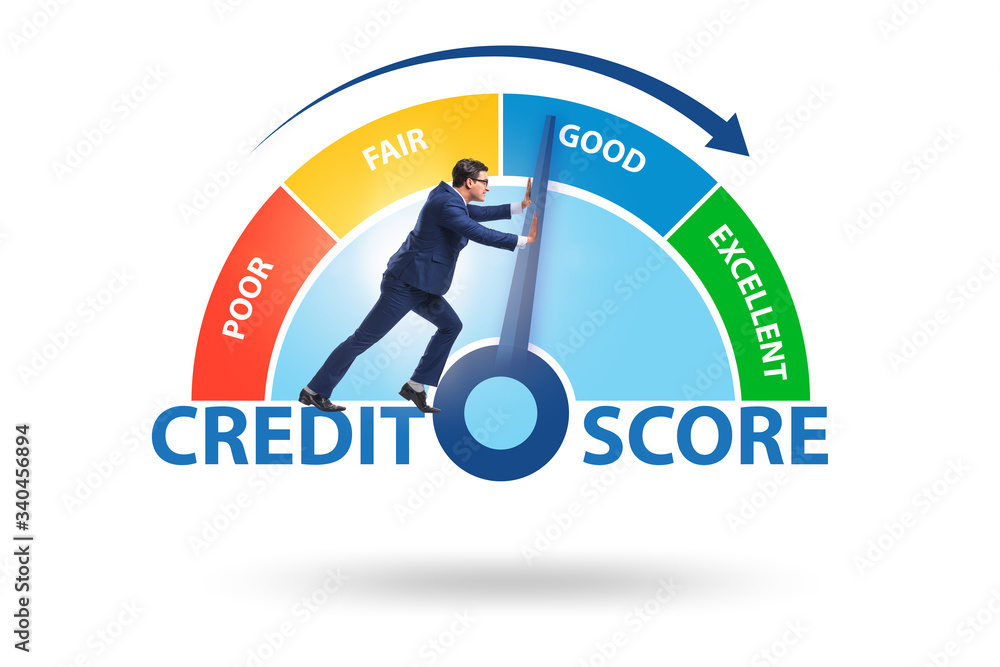
Like FICO, VantageScore generally produces scores ranging from:
300–850
The higher the score, the lower the statistical lending risk generally appears.
What Is VantageScore 5.0?
VantageScore 5.0 is the newest generation of the VantageScore credit scoring model.
According to VantageScore, the model incorporates:
- More recent consumer credit behavior
- Post-pandemic borrowing trends
- Enhanced predictive analytics
- New data attributes
- Updated risk modeling
The goal is straightforward:
Provide lenders with a more accurate prediction of future repayment behavior while expanding access to credit for consumers who may have been overlooked by older scoring models.
Why Was a New Credit Score Needed?
Consumer borrowing changed dramatically over the past several years.
During and after the COVID-19 pandemic, Americans experienced:
- Mortgage forbearance
- Student loan payment pauses
- Government stimulus payments
- Rapid inflation
- Rising interest rates
- Increased use of personal loans
- Significant changes in credit card balances
Older scoring models were developed using historical consumer behavior.
VantageScore believes its newest model better reflects today’s financial reality.
What Makes VantageScore 5.0 Different?
While the exact formula remains proprietary, VantageScore indicates that version 5.0 uses more sophisticated analytics than prior versions.
Among the improvements are:
Better Recognition of Modern Borrowing Patterns
Consumers today use credit differently than they did even five years ago.
The model attempts to account for changing borrowing behavior.
Updated Consumer Data
Instead of relying solely on older historical trends, VantageScore 5.0 evaluates more recent consumer credit performance.
Improved Risk Prediction
The company reports that the new model better distinguishes between lower-risk and higher-risk borrowers.
That benefits both lenders and qualified consumers.
Does This Mean My Credit Score Will Change?
Possibly.
Some consumers may see:
- Higher scores
- Lower scores
- Almost no change
Every credit profile is unique.
Your score depends on many factors, including:
- Payment history
- Credit utilization
- Account age
- Types of credit
- Recent applications
- Outstanding balances
The scoring model itself is only one part of the equation.
Could VantageScore 5.0 Help More Consumers Qualify?
Potentially.
One of VantageScore’s stated goals is expanding access to responsible lending.
For example, newer models may better evaluate consumers who have:
- Limited credit history
- Recently established credit
- Consistent payment behavior
- Alternative data that reflects responsible financial management
That doesn’t guarantee approval.
It simply means some consumers may be evaluated differently than under older models.
Does This Replace FICO?
No.
At least not today.
Many lenders continue using FICO scores.
Others use VantageScore.
Some lenders evaluate multiple scores simultaneously.
Mortgage lenders, auto lenders, banks, and credit unions all make independent decisions regarding which scoring models they use.
Consumers should understand that different lenders may rely on different systems.
Why Your Scores May Be Different
Imagine checking your credit score through three different websites.
You might see:
- 718
- 726
- 734
All three could be accurate.
Why?
Because each service may use:
- Different credit bureaus
- Different versions of VantageScore
- Different FICO models
- Different reporting dates
This is completely normal.
The Five Biggest Factors Still Matter
No matter which scoring model is used, certain habits remain critically important.
1. Pay Every Bill on Time
Payment history remains one of the most significant factors in nearly every scoring model.
Even one late payment may negatively affect your score.
2. Keep Credit Card Balances Low
High credit utilization can reduce scores even when payments are made on time.
Many experts recommend keeping utilization well below your available credit limits.
3. Avoid Applying for Unnecessary Credit
Multiple applications within a short period may temporarily affect your score.
Only apply for credit when you genuinely need it.
4. Review Your Credit Reports
Mistakes happen.
Review your reports regularly for:
- Incorrect late payments
- Duplicate accounts
- Fraudulent activity
- Collection accounts that don’t belong to you
- Identity theft
Consumers have important rights to dispute inaccurate information under the Fair Credit Reporting Act (FCRA).
5. Keep Older Accounts Open (When Appropriate)
Length of credit history often plays a role in scoring models.
Closing older accounts may reduce your average account age in some circumstances.
What About Rent Payments?
One area receiving increased attention is rental payment history.
Historically, rent rarely appeared on credit reports.
Today, more rent reporting options exist.
When reported accurately, on-time rent payments may help strengthen some consumers’ credit profiles.
Not every landlord participates, but this trend continues to grow.
What About Medical Debt?
Recent years have also seen changes in how some medical debt is reported and considered within the credit reporting system.
As reporting standards evolve, consumers should periodically review their reports to ensure medical accounts are being reported accurately.
Applying for a Mortgage?
If you’re preparing to buy a home, don’t be surprised if:
Your mortgage lender’s score differs from the one you see online.
Ask:
- Which scoring model are you using?
- Which credit bureau supplied my report?
- What factors most affected my score?
Understanding the lender’s evaluation can help you identify areas for improvement before closing.
Frequently Asked Questions
Is VantageScore 5.0 better than FICO?
Neither model is universally “better.” They are different tools that evaluate credit risk using different methodologies. Individual lenders choose which model best fits their underwriting needs.
Will every lender use VantageScore 5.0?
No.
Different lenders use different scoring models, and many continue using older versions or FICO scores.
Can my VantageScore and FICO score be different?
Yes.
In fact, it’s very common.
Different scoring formulas often produce different numbers.
Will checking my own VantageScore hurt my credit?
Generally, no.
Checking your own credit is typically considered a soft inquiry and does not affect your score.
Can I improve my VantageScore?
Yes.
The same responsible financial habits that improve most credit scores remain important:
- Pay bills on time.
- Reduce credit card balances.
- Monitor your reports.
- Dispute inaccurate information.
- Limit unnecessary credit applications.
Final Thoughts
Credit scoring continues to evolve alongside the way Americans borrow, spend, and manage their finances. VantageScore 5.0 represents another step toward modernizing credit evaluation by incorporating more recent consumer behavior and enhanced analytics into the lending process.
While the technology behind credit scoring may change, the fundamentals of good credit remain remarkably consistent. Paying your bills on time, managing debt responsibly, monitoring your credit reports, and addressing inaccuracies continue to be the best ways to build and maintain strong credit—regardless of which scoring model a lender uses.
If you’re planning to apply for a mortgage, finance a vehicle, or simply improve your financial health, understanding the difference between credit scoring models can help you approach the process with greater confidence.
At Ginsburg Law Group, we help consumers understand their rights under the Fair Credit Reporting Act (FCRA) and assist clients in addressing inaccurate credit reporting that may unfairly affect their financial opportunities. If you believe errors on your credit report are hurting your score, you may have legal options to correct those inaccuracies and protect your financial future.