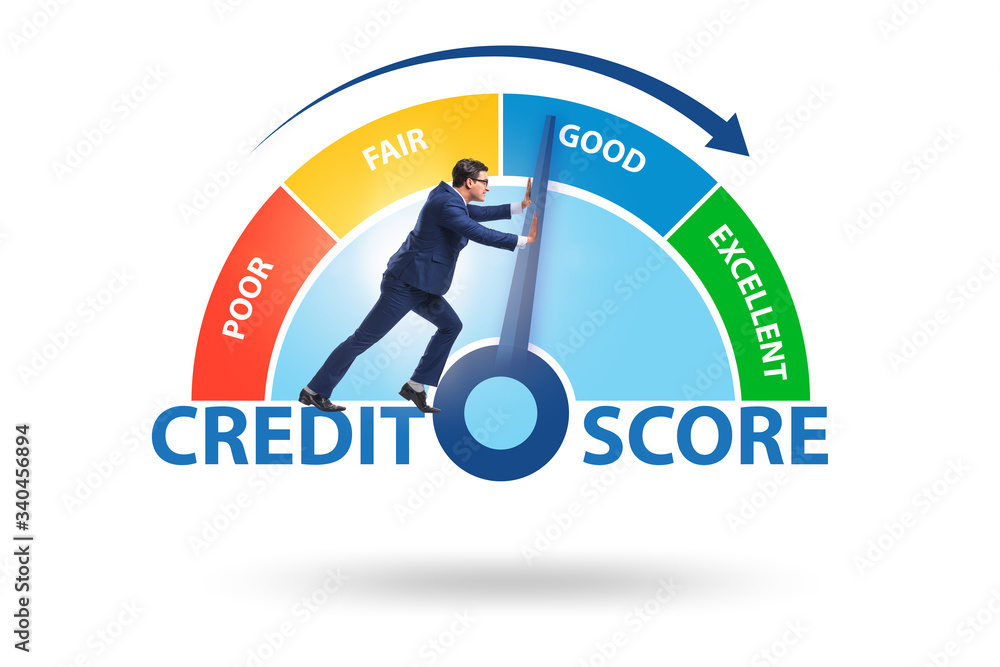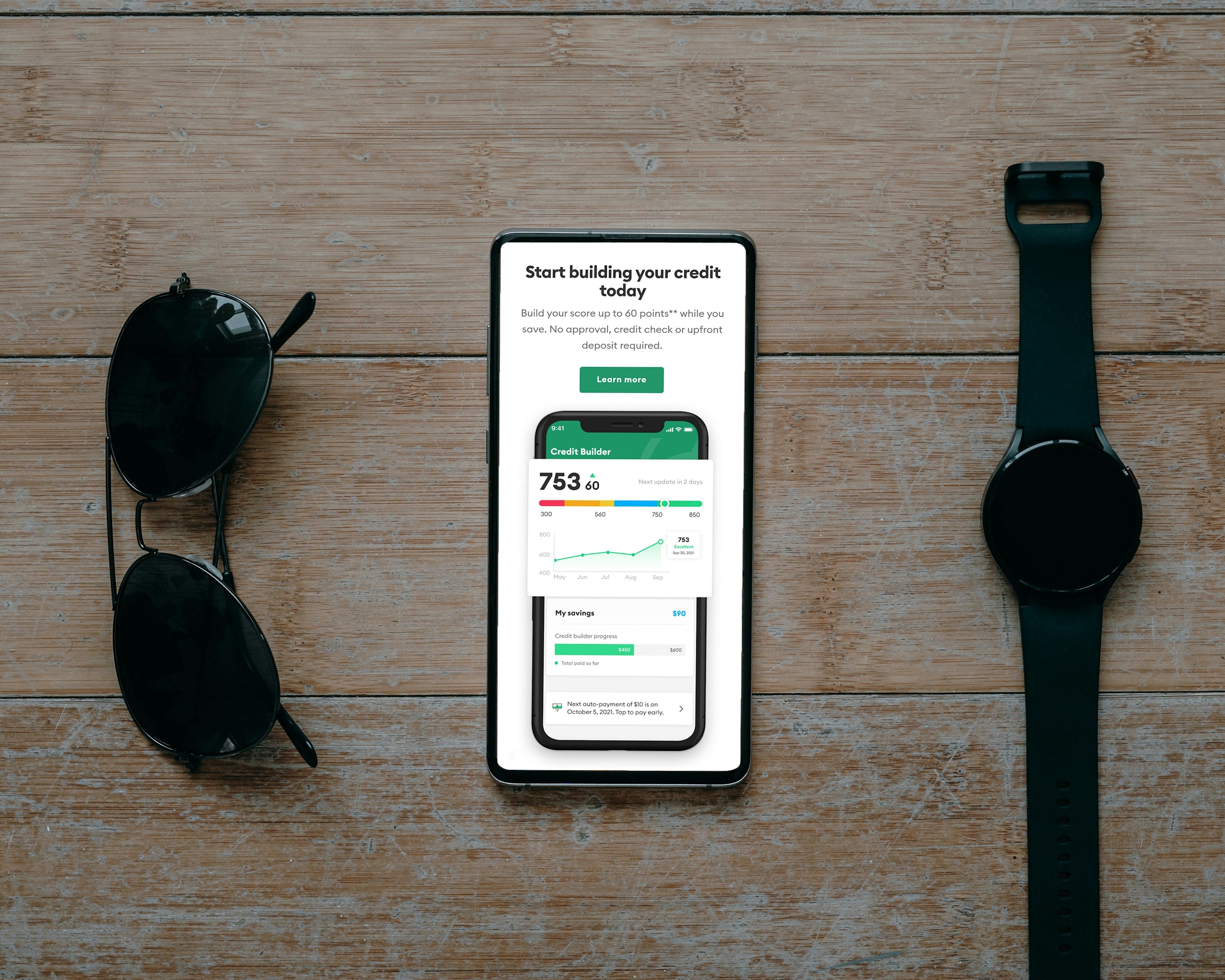
Errors on a credit report can have consequences far beyond an inconvenient credit score.
Incorrect information can potentially affect a consumer’s ability to obtain a mortgage, finance a vehicle, rent a home, or obtain credit on favorable terms.
If inaccurate information continues to appear after you have tried to correct it, you may find yourself searching for an FCRA attorney near me or an FCRA lawyer.
The federal Fair Credit Reporting Act (FCRA) provides consumers with important rights concerning consumer reports and the companies that furnish and report information.
What Does an FCRA Attorney Do?
An FCRA attorney represents consumers in disputes involving credit reporting and other consumer reporting issues.
Cases can potentially involve:
- Accounts that do not belong to you
- Incorrect balances
- Accounts incorrectly reported as delinquent
- Duplicate accounts
- Identity theft
- Information belonging to another consumer
- Accounts reported with an incorrect status
- Failure to reasonably investigate certain disputes
- Unauthorized access to consumer reports
- Other inaccurate or improper reporting
Whether conduct violates the FCRA depends on the facts and the responsibilities imposed on the particular company involved.
What Should I Do If My Credit Report Is Wrong?
Start by obtaining copies of the relevant consumer reports.
Identify exactly what information you believe is inaccurate.
Preserve copies of:
- Your credit reports
- Dispute letters
- Supporting documents
- Certified mail receipts
- Emails
- Investigation results
- Responses from furnishers
- Loan or credit denials
- Documents showing financial losses
Keeping a complete paper trail can become extremely important.
Should I Dispute a Credit Reporting Error?
The FCRA contains procedures governing disputes about information contained in consumer files.
How a dispute is made can affect the obligations that arise afterward.
For that reason, consumers facing serious or persistent credit reporting problems may want to obtain legal advice regarding the appropriate dispute process.
Keep copies of everything you send and everything you receive.
When Should I Call an FCRA Lawyer?
Consider speaking with a consumer attorney when:
- You disputed inaccurate information and it continues to appear.
- The same error repeatedly returns.
- An account belonging to someone else appears on your report.
- Identity theft information remains on your report.
- You suffered a credit denial because of inaccurate reporting.
- Incorrect reporting caused you financial harm.
- Someone obtained your consumer report without an apparent permissible purpose.
- You cannot determine why inaccurate information keeps being reported.
The sooner the attorney can examine the documents, the easier it may be to reconstruct what happened.
Can You Sue for FCRA Violations?
The FCRA establishes civil liability for certain violations.
Available remedies depend upon whether the noncompliance was negligent or willful and upon the consumer’s damages and circumstances.
For certain willful violations, federal law provides for actual damages or statutory damages within a specified range, potential punitive damages, and reasonable attorney’s fees and costs.
Negligent violations can also create liability under circumstances specified by the statute.
An attorney can evaluate what remedies may apply to a particular situation.
What Should I Bring to an FCRA Attorney?
If you schedule a consultation, gather:
- Copies of all relevant credit reports.
- Your dispute letters.
- Responses from the credit bureaus.
- Correspondence from creditors or furnishers.
- Proof of mailing.
- Credit denial or adverse-action notices.
- Documents showing financial losses.
- A timeline explaining what happened.
The more complete your documentation is, the easier it may be to evaluate your claim.
Searching for an “FCRA Attorney Near Me”?
Credit reporting cases are highly fact-specific.
An incorrect credit report does not automatically establish an FCRA claim. But persistent inaccuracies—particularly after appropriate disputes—can warrant a closer legal review.
Ginsburg Law Group represents consumers in Fair Credit Reporting Act and other consumer protection matters.
If inaccurate credit reporting is affecting you, contact us to discuss your situation.
This article is for general informational purposes and does not constitute legal advice.