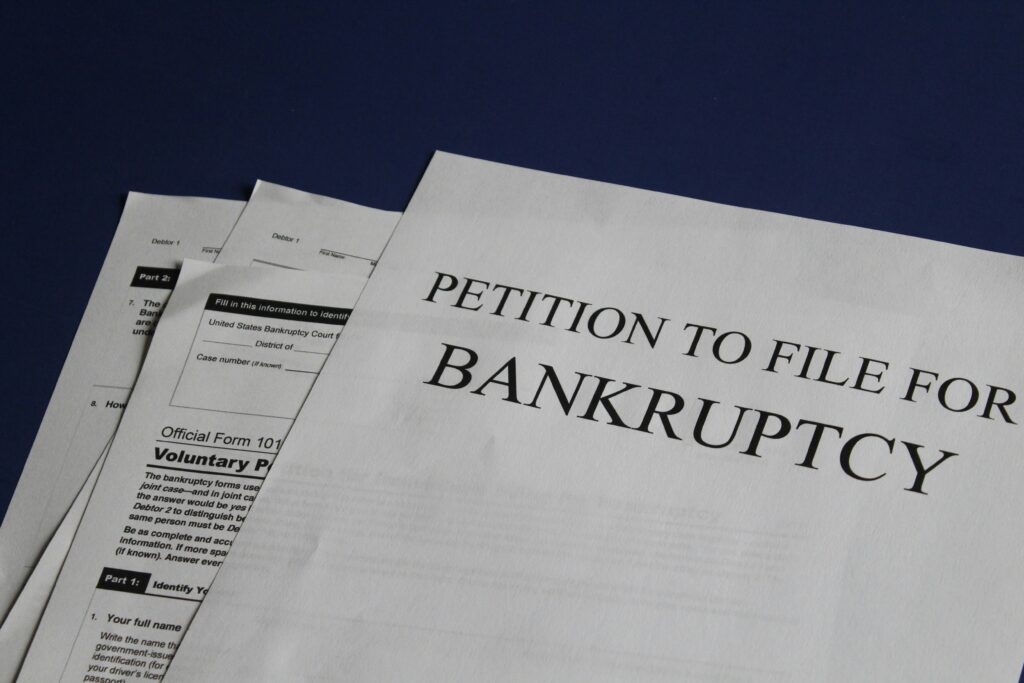
If you’re overwhelmed by debt, bankruptcy can sound scary—or like a “last resort.” In reality, bankruptcy is a legal process designed to give honest people a structured way to deal with debt. The right approach depends on your income, assets, goals, and the type of debt you have.
This post explains Chapter 7 and Chapter 13 in plain English, plus a practical document checklist to help you get organized.
Chapter 7 (the “fresh start” chapter)
Chapter 7 is often described as a discharge of eligible debts. In many cases, it moves faster than Chapter 13.
In plain terms, Chapter 7 may:
- Eliminate (discharge) certain unsecured debts
- Pause collection activity through the automatic stay (with exceptions)
- Involve a trustee reviewing assets and exemptions
Not everyone qualifies, and not every debt is dischargeable.
Chapter 13 (the “repayment plan” chapter)
Chapter 13 is a court-approved repayment plan, typically over several years.
In plain terms, Chapter 13 may:
- Help you catch up on mortgage arrears
- Stop foreclosure proceedings temporarily (in many cases)
- Consolidate certain debts into a structured plan
- Protect certain assets that might be at risk in Chapter 7
Eligibility and outcomes depend on your full financial picture.
What bankruptcy does not automatically do
- It does not erase every kind of debt.
- It does not guarantee you keep every asset.
- It does not guarantee a specific credit score outcome.
A practical “bankruptcy intake” document checklist
Gathering documents early can save time and reduce stress.
Income and employment
- Pay stubs (recent months)
- Proof of other income (benefits, gig work, rental income)
- Last 2 years of tax returns (if available)
Bank accounts and cash
- Bank statements (recent months)
- Retirement account statements
Debts
- Credit card statements
- Medical bills
- Personal loans
- Collection letters
- Lawsuit paperwork (if any)
Housing and vehicles
- Lease or mortgage statement
- Property tax/insurance info
- Vehicle loan statements
- Vehicle title/registration
Monthly expenses
- Utilities
- Childcare
- Insurance
- Transportation costs n- Any support obligations
What to do if you’re being sued right now
If you’ve been served with a debt collection lawsuit, don’t ignore it. Deadlines can be short.
Steps to take:
- Note the court date and response deadline
- Save the summons and complaint
- Avoid admitting details in writing to the plaintiff’s lawyer
- Consider getting legal advice quickly
If you’re considering bankruptcy—or you’ve been sued and need to understand your options—Ginsburg Law Group, PC can help you review your situation and explain the process in plain English. Contact us for a free case evaluation.