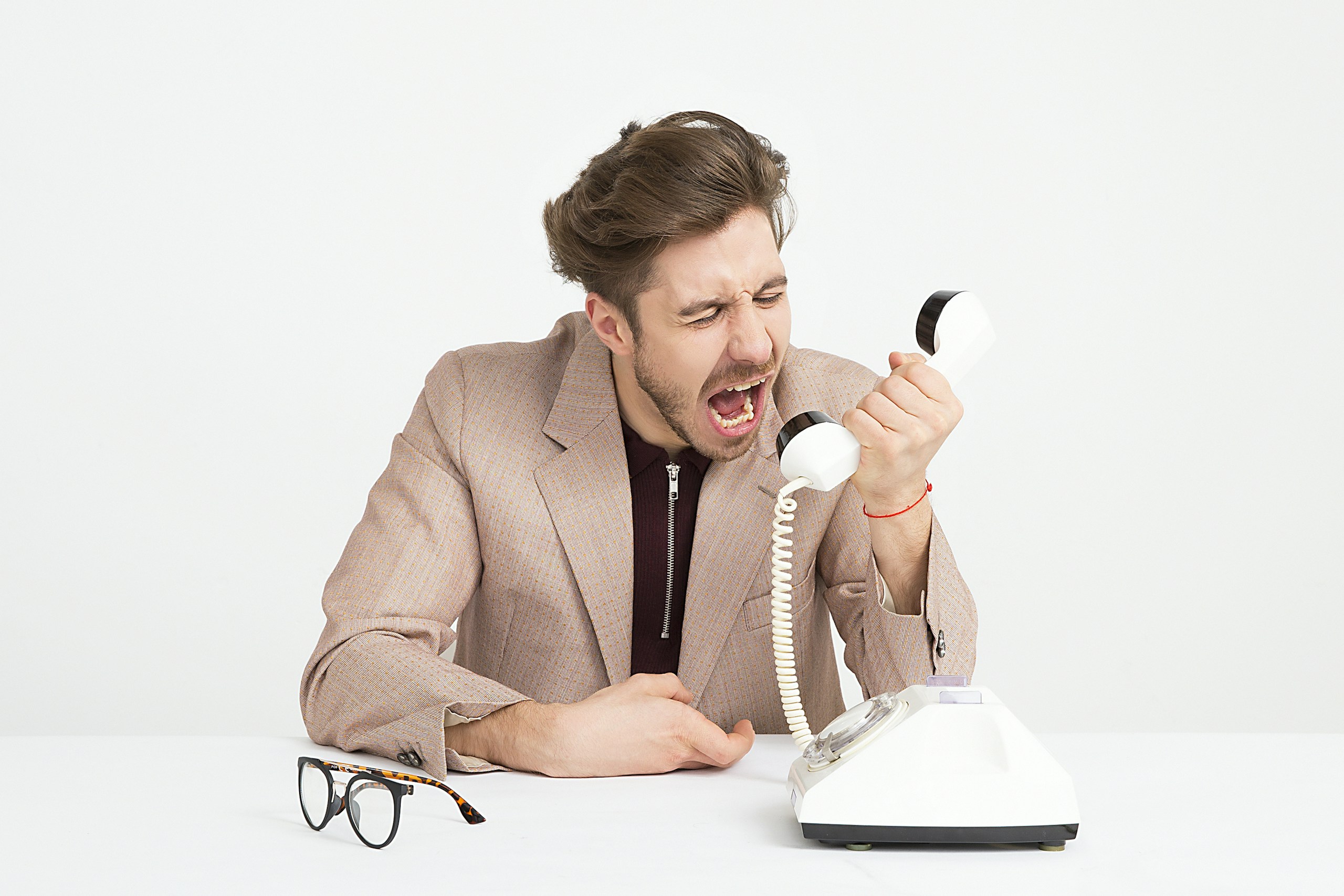
You’re sitting down for dinner when your phone buzzes. You pick up, and a friendly, professional voice starts talking. It sounds human, it has the right pauses and the right tone, but something feels slightly “off.” You realize you’re talking to a machine.
Welcome to the era of the AI robocall. 🤖
For years, telemarketers have hidden behind automated dialers. But now, they are using advanced artificial intelligence and voice cloning to trick you into staying on the line. Here is the secret they don’t want you to know: In many cases, these calls are illegal, and you can sue them for significant cash.
At Ginsburg Law Group PC, we believe that your privacy isn’t just a luxury, it’s a right. If your phone is being blown up by fake voices and AI bots, it’s time to stop blocking numbers and start building a case.
⚖️ The Game-Changer: The FCC’s 2024 Ruling on AI Voices
Before February 2024, there was a bit of a “Wild West” atmosphere surrounding AI-generated voices. Telemarketers argued that because the voice was “generated” and not a “recording” of a human, they weren’t technically violating old laws.
The FCC officially shut that down.
The Bottom Line: The FCC has ruled that AI-generated voices in robocalls are considered “artificial or prerecorded voices” under the Telephone Consumer Protection Act (TCPA).
This means that the same rules that protect you from those annoying “Your car’s extended warranty” recordings now apply to sophisticated AI bots. If a company uses an AI voice to call your cell phone without your express permission, they are likely breaking federal law.
Why This Matters to You
- It’s illegal to use AI voices for marketing without written consent.
- It’s illegal to spoof numbers to hide the caller’s identity.
- Each illegal call can be worth $500 to $1,500 in statutory damages.
🔍 How to Spot an AI Robocall (The Tell-Tale Signs)
AI voices have become incredibly realistic, but they aren’t perfect yet. To sue, you first need to identify that the caller is, in fact, an AI.
- The “Perfect” Delivery: If the voice sounds too polished, never stumbles, and doesn’t have any background noise (like a busy call center), it’s probably a bot.
- The Delayed Response: Does the caller pause for a second or two after you say “Hello”? That’s the software processing your voice to decide which response to play.
- The “Script Loop”: Try asking a bizarre question, like “What did you have for breakfast?” A human will laugh or be confused. An AI will likely ignore you and go right back to the sales pitch.
- Repeatable Phrasing: If you call the number back and hear the exact same inflection and tone in the greeting, you’re dealing with a machine.

🚫 When Is a Call Actually Illegal?
Not every robocall is a lawsuit waiting to happen. To win, the call generally needs to meet these criteria:
1. No Prior Express Written Consent
If you never gave the company your number or signed a form (even a digital one) saying they could call you for marketing, they are in the wrong. ❌
2. It’s a Marketing or Sales Call
“Informational” calls (like your pharmacy telling you a prescription is ready) are treated differently. But if they are trying to sell you solar panels, insurance, or debt relief, the strict TCPA rules apply.
3. You’re on the National Do Not Call Registry
If your number has been on the Do Not Call Registry for more than 31 days and they call you anyway, that is a separate violation.
4. They Are Impersonating Someone
AI “deepfakes” are being used to mimic government officials or even family members. This isn’t just a TCPA violation; it’s often fraud and identity theft.
> Note on Debt Collectors: Even debt collectors have to follow strict rules. If you are being harassed by legitimate companies like Midland Credit Management, you have rights under both the TCPA and the FDCPA.
🛠️ Step-by-Step: How to Build Your Case
If you want to turn those annoying calls into a check, you have to be methodical. You can’t just delete the call and hope for the best.
Step 1: Start a Robocall Log 📝
Keep a dedicated notebook or digital file. For every suspicious call, record:
- Date and Time: Exactly when did they call?
- Incoming Number: Even if it looks spoofed, write it down.
- The Voice Type: Did it sound like an AI? Did it use your name?
- The Pitch: What were they selling? (Solar, Medicare, Student Loans, etc.)
Step 2: Capture the Evidence 📱
Save every voicemail. AI voices captured in a voicemail are “smoking gun” evidence. If your state allows “one-party consent” for recording, record the conversation.
👉 Rule of Thumb: If you aren’t sure about your state’s recording laws, ask the caller: “I am recording this call for my records, do you consent?” If they keep talking, they’ve consented.
Step 3: Find the “Suable” Target
You can’t sue a ghost. You need to find out who is actually behind the call.
- Ask for the company’s full legal name.
- Ask for their website or physical mailing address.
- Follow the “Lead”: Sometimes the AI bot is just a “lead generator.” They will transfer you to a “specialist.” That specialist usually works for a real U.S. company that you can sue.
Step 4: Verify Your Status
Check your registration on the Do Not Call list. Take a screenshot of your registration date. This proves you have taken steps to protect your privacy.

💰 How Much Can You Actually Get?
The TCPA is a “strict liability” statute. This means you don’t have to prove they meant to break the law: just that they did.
- Standard Violation: $500 per call.
- Willful/Knowing Violation: $1,500 per call. (If they knew you were on the Do Not Call list or if you told them to stop and they called again, it’s usually considered “willful.”)
If/Then Logic:
- IF you receive 10 AI robocalls from the same company after telling them to stop…
- THEN you could potentially sue for up to $15,000.
🏚️ Myth-Busting: “I Can’t Sue Because They Are Overseas”
It is true that many “scam” calls originate from overseas boiler rooms. Suing a random person in a country with no extradition treaty is nearly impossible.
HOWEVER, many of these calls are placed by U.S.-based marketing firms on behalf of U.S.-based corporations (think big insurance companies, solar installers, or home improvement chains). Under the law, the company that benefits from the call can often be held liable for the actions of the telemarketers they hire.
✅ The Strategy: Focus on calls that are trying to sell a legitimate service or product within the United States. These are your winning cases.
🛡️ Protecting Your Voice from AI Cloning
The darker side of AI robocalls is voice cloning. Scammers only need a few seconds of your voice to create a “deepfake” that can be used to trick your bank or your family members.
- Don’t say “Yes” immediately: Some scammers call just to get you to say the word “Yes” to use as a signature.
- Limit your “Voice Print”: If you get a call from an unknown number and hear a slight delay, hang up. Do not engage. The more you talk, the more data their AI collects.
- Use Carrier Tools: Apps like AT&T Call Protect or T-Mobile Scam Shield are getting better at identifying “AI-driven” patterns.
🚀 Ready to Take Action? (The Next Steps Checklist)
If you are tired of the harassment and want to hold these companies accountable, follow this checklist:
- ✅ Join the Do Not Call Registry if you haven’t already.
- ✅ Take Screenshots of your recent call logs.
- ✅ Don’t Delete Voicemails that sound like AI bots.
- ✅ Send a “Cease and Desist” via certified mail if you have a physical address for the company. This sets the stage for the “$1,500 per call” willful violation.
- ✅ Consult a Professional. Managing a TCPA lawsuit can be complex, especially when dealing with corporate legal teams.
At Ginsburg Law Group PC, we deal with more than just phone harassment. Whether you are navigating debt overseas, dealing with late payments after bankruptcy, or trying to protect a trust, we provide the professional guidance you need to protect your financial future.
Stop being a victim of the bots. Start being the plaintiff. 🏛️