If your phone won’t stop ringing, you’re not alone
Unwanted robocalls and spam texts are more than annoying—they can be disruptive, stressful, and sometimes tied to scams. The Telephone Consumer Protection Act (TCPA) is a federal law that restricts certain automated calls and texts.
This is general information. TCPA rules can be technical, and the facts matter.
What kinds of calls/texts raise TCPA concerns?
Examples consumers often ask about:
- Repeated “autodialed” calls
- Prerecorded voice messages
- Marketing texts you didn’t request
- Calls to a number after you told them to stop
Consent is a big issue in many TCPA situations. The details of how a company got your number can matter.
The single best thing you can do: preserve evidence
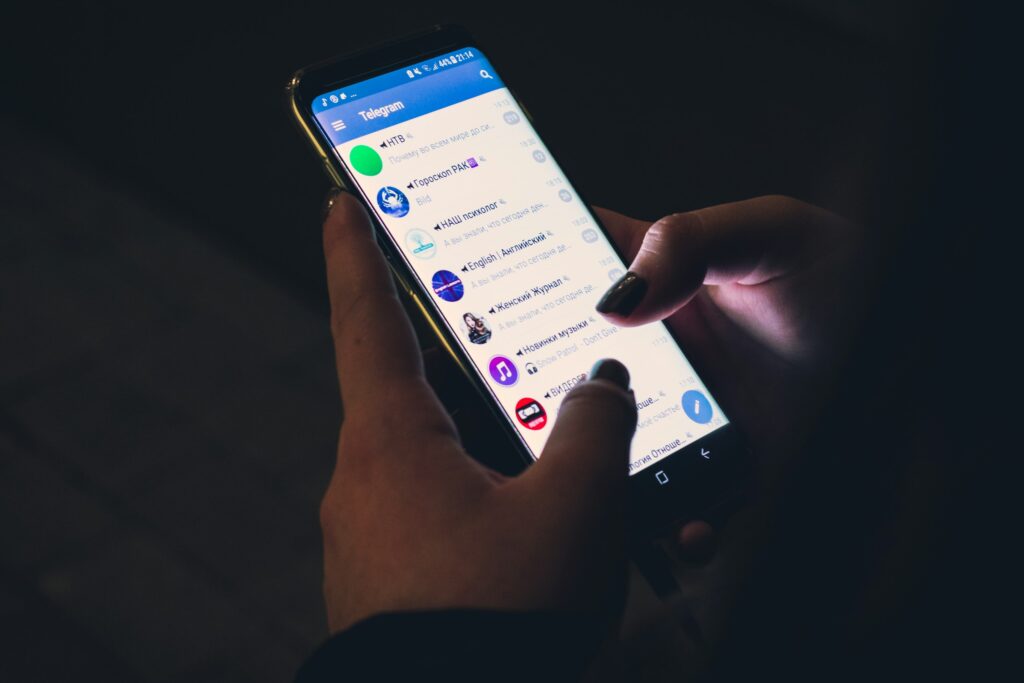
Screenshot everything
For texts:
- Screenshot the full thread
- Include the phone number or short code
- Capture timestamps
For calls:
- Take screenshots of call logs
- Save voicemails
Keep a simple TCPA log
Make a note with:
- Date/time of each call/text
- Number shown
- What the message said
- Whether you answered
- Any “STOP” reply you sent
Practical checklist: what to collect
- Screenshots of texts and call logs
- Voicemails (audio files)
- Any opt-in proof (web forms, checkboxes, account settings)
- Any opt-out proof (STOP texts, emails, chat transcripts)
- Notes if the number was reassigned (new phone number issues)
What not to do
- Don’t click links in suspicious texts.
- Don’t provide personal info to unknown callers.
- Don’t delete messages if you may want to pursue your rights.
If you’re receiving repeated robocalls or texts and you want to understand whether the TCPA may apply, Ginsburg Law Group, PC can review your screenshots and call logs and explain potential next steps. Contact us for a consumer-focused evaluation.
CLICK HERE for a case assessment.