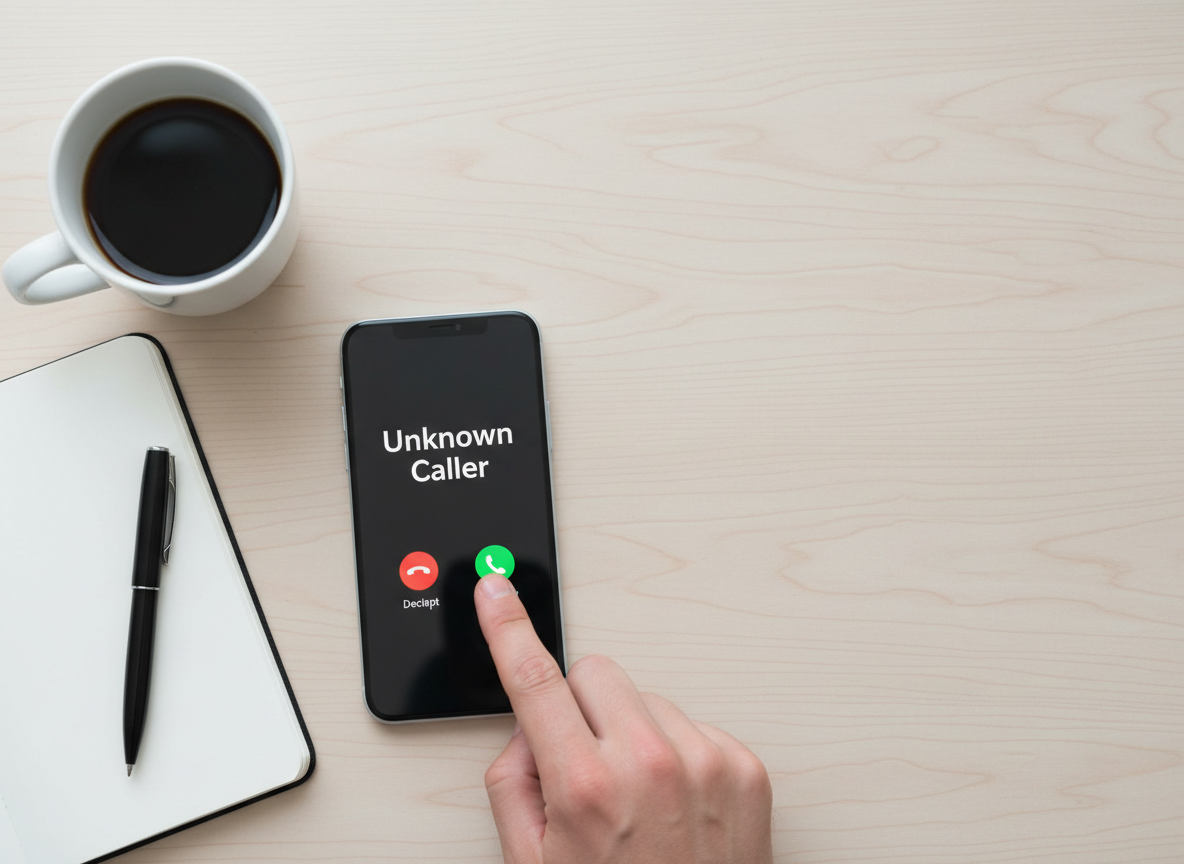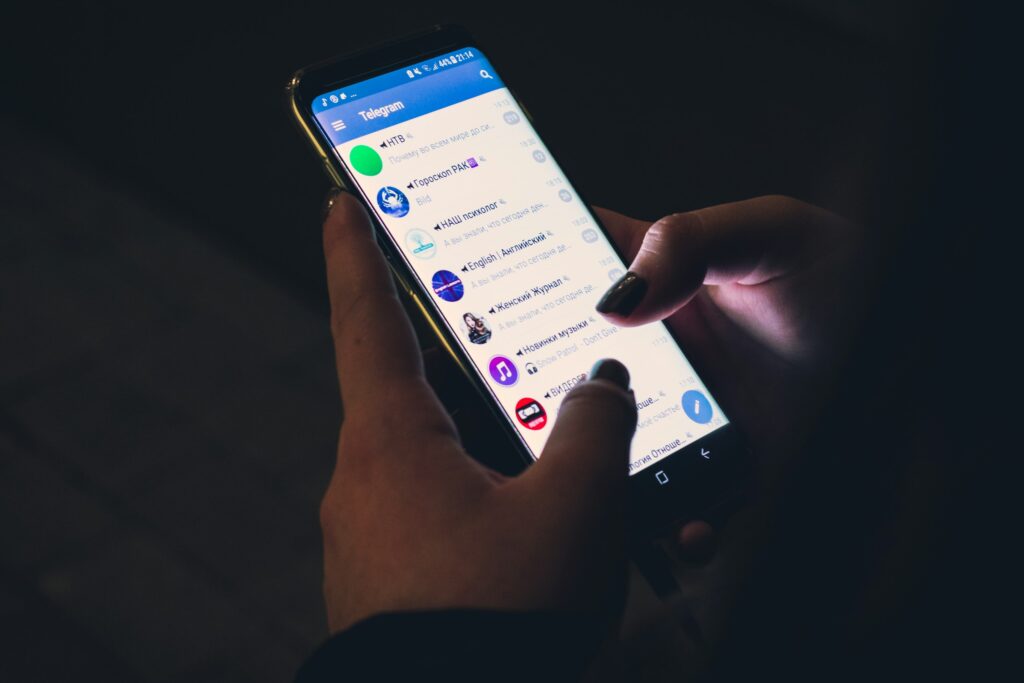
Most people’s first instinct with robocalls and spam texts is to block the number and move on. And honestly, that may be the right move for your peace of mind.
But if the calls/texts are frequent, deceptive, or tied to a business that won’t stop, it can help to build a simple “evidence kit” first—especially if you think your rights under the Telephone Consumer Protection Act (TCPA) may be involved.
This post explains what to save, what to avoid, and how to keep your documentation clean and useful.
What is the TCPA (in plain English)?
The TCPA is a federal law that restricts certain telemarketing calls and texts, including many automated or prerecorded communications. There are also FCC regulations and state laws that can apply.
The rules can be technical. Instead of trying to diagnose your case from a single call, focus on documentation that helps an attorney evaluate the situation.
Before you do anything: don’t delete the evidence
If you think you may want to take action later, avoid:
- Deleting texts
- Clearing your call history
- Resetting your phone
You can still block numbers after you’ve captured what you need.
Your TCPA evidence kit (step-by-step)
1) Screenshot the text thread (including the number)
For spam texts:
- Screenshot the full thread
- Include the sender number or short code
- Include the date/time stamps
If the message contains a link, don’t click it. Just capture it.
2) Take screenshots of your call log
For robocalls:
- Screenshot your recent calls showing frequency
- Capture dates/times
- Capture the number (if displayed)
If calls come from many different numbers but sound identical, note that pattern.
3) Save voicemails
If a voicemail is left:
- Save it
- Write down what it says in your notes
- Note whether it sounds prerecorded
4) Write down consent history (your “how did they get me?” notes)
This part is often overlooked. Make a quick list:
- Did you ever do business with the company?
- Did you enter your number on a website form?
- Did you check a box agreeing to texts?
- Did you text a keyword to a short code?
- Did you revoke consent (ask them to stop)? When?
Even if you’re not sure, write what you remember.
5) Capture opt-out attempts
If you replied “STOP” or asked them to stop calling:
- Screenshot your opt-out message
- Screenshot any confirmation response
- Note whether messages continued afterward
6) Identify the sender (carefully)
Many spam messages hide behind generic names. Look for:
- Company name in the message
- Website domain in the link
- Callback number
Don’t assume the first name you see is the real sender—document what you can verify.
What not to do (common mistakes)
Don’t “test” them by engaging
It’s tempting to reply with sarcasm or questions. But engaging can:
- Confirm your number is active
- Trigger more messages
- Create messy communication records
If you need to communicate, keep it simple: “Stop.”
Don’t share personal information
Never send:
- Date of birth
- Social Security number
- Bank info
- Photos of IDs
Don’t click links
Even if you’re curious, links can be unsafe.
A simple “robocall log” template
Copy/paste this into your notes:
- Date/time:
- Number displayed:
- Type: call / text / voicemail
- Message summary:
- Did it sound prerecorded or automated?
- Any company name mentioned?
- Did I opt out? How?
When should you talk to a TCPA attorney?
Consider a legal review if:
- Calls/texts are frequent and disruptive
- You asked them to stop and it continued
- The messages are clearly marketing (not purely informational)
- You never gave permission (or you revoked it)
An attorney can help evaluate whether the communications fall under the TCPA and related regulations.
If you’re being bombarded with robocalls or spam texts, you don’t have to handle it alone. A quick review of your screenshots, call logs, and consent history can help clarify whether you have legal options.
Ginsburg Law Group, PC handles consumer protection matters, including TCPA-related issues. Contact us if you’d like an evaluation and guidance on what to document next. Call 855-978-6564 or fill out or quick and easy FORM online for a free assessment.