If you’re getting repeated robocalls or spam texts—especially after you asked them to stop—you’re not alone. The Telephone Consumer Protection Act (TCPA) is one of the main federal laws that can apply to certain unwanted calls and texts.
But TCPA cases are evidence-driven. The more clearly you can document what happened, the easier it is to evaluate whether you may have a claim.
This post focuses on practical, safe steps you can take to preserve proof.
What the TCPA generally covers (in plain English)
The TCPA can apply to certain calls or texts, including:
- Autodialed or prerecorded calls to cell phones (in many scenarios)
- Prerecorded voice messages
- Certain marketing texts
- Calls to numbers on the National Do Not Call Registry (in some situations)
There are exceptions and defenses, and the rules can be technical. That’s why documentation matters.
Your TCPA evidence checklist
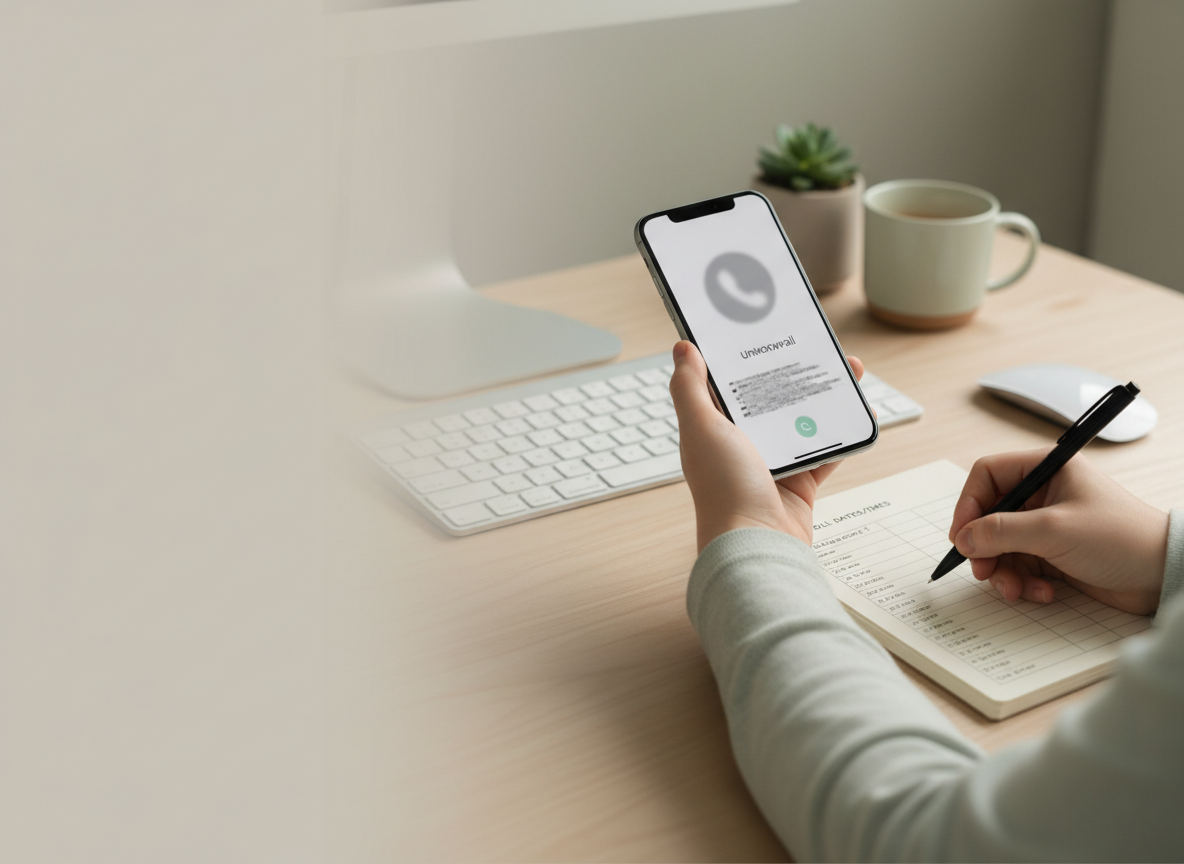
1) Create a call/text log
Use a notes app or spreadsheet and track:
- Date and time of each call/text
- Phone number or short code (if visible)
- What the message said (summary)
- Whether it was a live person, prerecorded voice, or silent/“dead air” call
- Whether you answered or it went to voicemail
2) Save screenshots (carefully)
- Screenshot the incoming call screen (if safe)
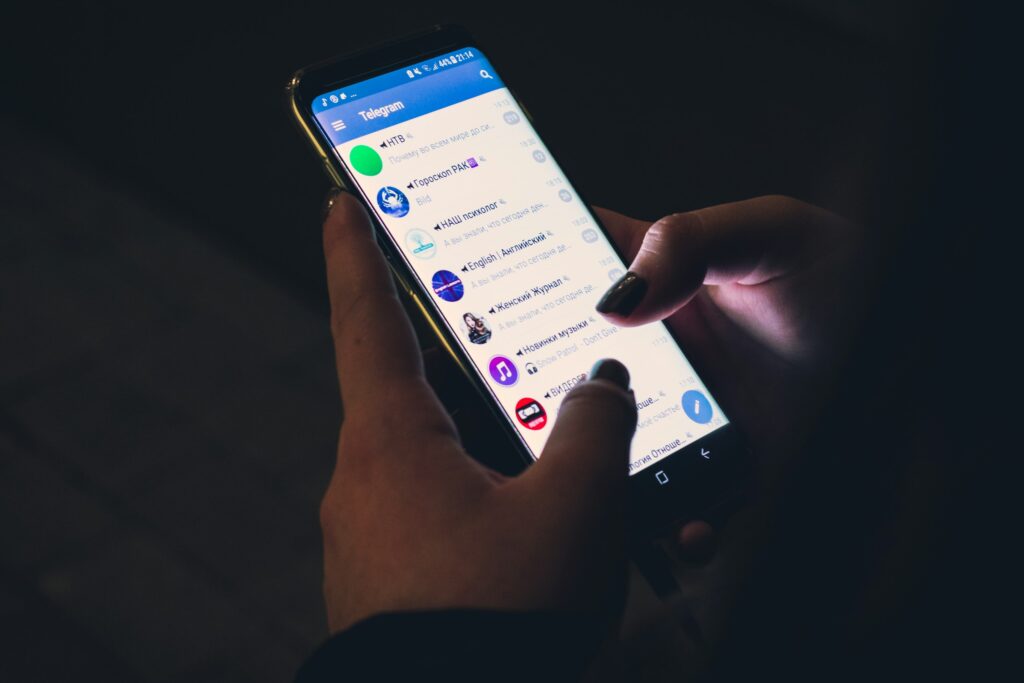
- Screenshot text threads showing repeated messages
- Screenshot any opt-out attempts (e.g., you replied “STOP”)
Tip: Make sure screenshots don’t include unrelated personal information you wouldn’t want shared.
3) Preserve voicemails
- Save the voicemail audio file if your phone allows it
- Note the date/time and whether it was prerecorded
4) Document your consent (or lack of it)
A common issue is whether you gave permission to be contacted.
Gather:
- Any forms you filled out online
- Receipts or contracts with phone number fields
- Emails confirming sign-ups
- Screenshots of lead forms (if you still have access)
If you changed your number or the calls are for someone else, note that too.
5) Do-not-call steps
If relevant to your situation:
- Confirm whether your number is on the National Do Not Call Registry
- Keep a record of when you asked them to stop
- Save any “opt-out confirmed” messages
What to avoid (so you don’t create problems)
- Don’t impersonate someone or “bait” callers.
- Don’t publish the caller’s number online.
- Don’t share sensitive personal data in screenshots.
- Don’t assume every spam message is automatically a lawsuit.
The goal is clean documentation, not escalation.
Quick self-check: is it worth getting a legal review?
Consider a consultation if:
- The calls/texts are frequent and ongoing
- You asked them to stop and it continued
- The messages are marketing-related
- The calls use prerecorded messages or repeated “dead air”
If you’re being bombarded by robocalls or spam texts, Ginsburg Law Group, PC can review your call logs, screenshots, and consent history and explain whether the TCPA may apply. Contact us for a free case evaluation.