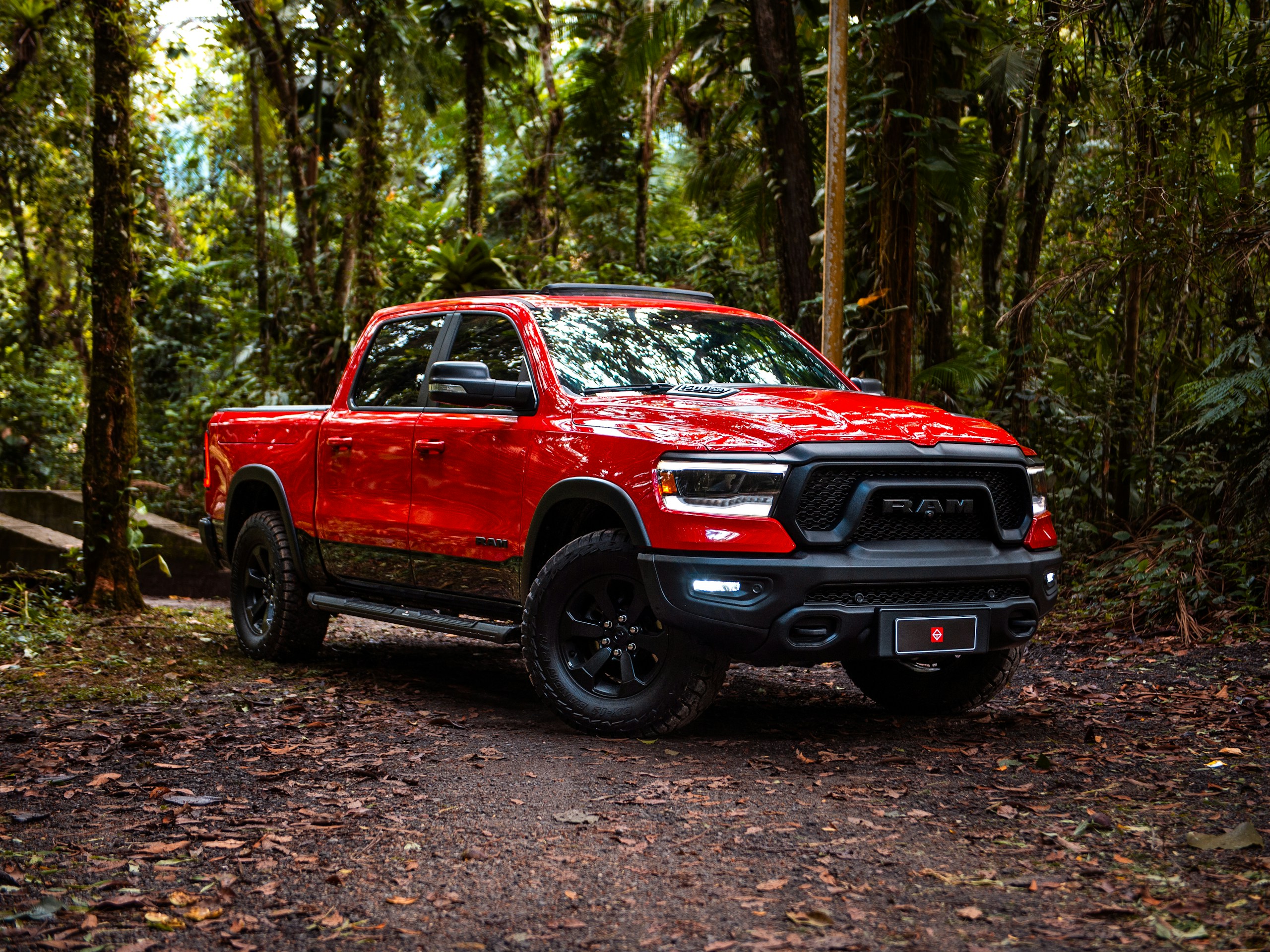
Ram 1500 Recall Raises Questions for Pennsylvania Truck Owners
A large Ram 1500 recall involving a safety-related issue can understandably make owners wonder whether their truck might qualify as a lemon.
But a recall and a Lemon Law case are not the same thing.
A recall generally addresses a potential defect across a population of vehicles. Pennsylvania’s Automobile Lemon Law, by contrast, focuses on the repair history and circumstances of an individual vehicle.
That means a Pennsylvania Ram 1500 owner should be asking more specific questions:
When did the problem first arise?
How many times was the truck presented for repair?
Did the dealership actually fix it?
How long was the truck out of service?
Does the condition substantially impair the truck’s use, value, or safety?
And was the problem reported during Pennsylvania’s Lemon Law protection period?
Those facts can be far more important than simply knowing the truck is included in a recall.
Does a Recall Automatically Make a Ram 1500 a Lemon in Pennsylvania?
No.
A manufacturer can recall hundreds of thousands of vehicles without every vehicle qualifying under Pennsylvania’s Lemon Law.
Some owners may take their Ram 1500 to the dealership, have the recall completed during a single appointment, and never experience another issue.
Other owners may have a very different history involving repeated unsuccessful repairs, extended periods without their truck, or multiple serious warranty defects.
Pennsylvania Lemon Law analysis is therefore highly vehicle-specific.
A recall may be relevant evidence, but it is not an automatic ticket to a refund or replacement.
How Pennsylvania’s Lemon Law Works
Pennsylvania’s Automobile Lemon Law protects qualifying new vehicles purchased, leased, and registered for personal, family, or household purposes.
Under Pennsylvania’s current law, for a vehicle other than a motorcycle, a qualifying nonconformity must occur during the earliest of:
One year after delivery, the first 12,000 miles of use, or the term of the manufacturer’s express warranty.
The defect must substantially impair the vehicle’s use, value, or safety.
That timing requirement makes repair documentation particularly important.
If your Ram began having problems at 8,000 miles but you no longer have the first repair order, proving when the defect began may become more difficult.
Pennsylvania’s Three-Repair Presumption
Pennsylvania provides a useful presumption when the manufacturer cannot successfully repair the same substantial defect.
The Pennsylvania Attorney General explains that if the defect cannot be repaired after three attempts, the consumer may generally be eligible for Lemon Law relief, assuming the other legal requirements are satisfied.
That doesn’t mean:
“Three dealer visits automatically equals lemon.”
The repairs ordinarily need to concern the qualifying defect, and the entire history must satisfy the statute.
Consider these two examples.
A Ram owner visits the dealer once for a radio problem, once for an oil change, and once for a recall.
That isn’t necessarily three attempts to fix the same defect.
Compare that to an owner who reports:
Visit 1: Transmission violently jerks when shifting.
Visit 2: Transmission continues jerking after software update.
Visit 3: Same transmission condition returns after additional repair.
That is a substantially different repair history.
Pennsylvania Also Has a 30-Day Rule
Repair attempts aren’t the only potentially important measure.
Pennsylvania’s Lemon Law also creates a presumption when a qualifying vehicle is out of service because of repairs for a cumulative total of 30 calendar days.
This can become especially important when parts are unavailable.
Suppose your Ram 1500 spends:
10 days waiting for a transmission component,
8 days during another repair,
and another 14 days at the dealership when the same problem returns.
Those days can matter.
Consumers should therefore document not only the number of repair visits but also how long the vehicle was unavailable.
Safety Problems Can Be Particularly Significant
The statute focuses on defects substantially impairing a vehicle’s use, value, or safety.
A seat belt, braking, steering, stalling, or loss-of-power problem can naturally raise substantial safety concerns.
Pennsylvania law treats certain serious safety-related conditions particularly seriously. PennDOT notes that vehicles with defective braking or steering systems that are likely to cause death or serious bodily injury if driven cannot be resold in Pennsylvania after Lemon Law repurchase.
That does not mean every safety recall establishes a Lemon Law case.
It does reinforce why serious safety complaints should be promptly reported and carefully documented.
What If Your Ram 1500 Has Problems Beyond the Recall?
This is where many cases become more interesting.
A truck might receive one recall repair but also have repeated problems involving:
- Transmission hesitation or harsh shifting
- Electrical system failures
- Engine stalling
- Starting problems
- Steering concerns
- Infotainment failures
- Warning lights
- Suspension issues
- Water leaks
- Loss of acceleration
- Brake problems
- Repeated battery failures
A successful recall repair does not erase those other warranty issues.
The entire repair history should be reviewed chronologically.
For example:
5,800 miles: vehicle hesitates and will not accelerate normally.
7,200 miles: same condition returns.
8,900 miles: dealer performs software update.
10,100 miles: loss-of-power complaint returns.
11,000 miles: unrelated recall repair completed.
The Lemon Law analysis should focus on the repeated underlying problem, not merely the presence of a recall.
Keep Every Ram Repair Order
Repair orders can become some of the most important documents in a Pennsylvania Lemon Law case.
Keep the paperwork even when:
No repair is made.
The dealer cannot duplicate the problem.
The dealer says the vehicle is operating normally.
The manufacturer says parts are backordered.
A repair order stating:
“Customer states vehicle intermittently loses power during acceleration.”
may later establish that the manufacturer received notice of the problem at a particular mileage.
A document saying simply:
“Check vehicle”
provides much less useful information.
Always review your paperwork before leaving the dealership.
What Does “Could Not Duplicate” Mean for a Lemon Law Claim?
Consumers sometimes think a dealership visit doesn’t count if the technician writes:
“Could not duplicate customer concern.”
That repair order may still be important.
Intermittent defects are common.
A vehicle might stall only after extended driving.
A transmission might jerk only when cold.
An electrical system might fail once every several weeks.
The fact that a technician could not reproduce the symptom during one short test drive doesn’t necessarily establish that the symptom never occurred.
At the same time, a “could not duplicate” entry doesn’t prove a defect exists.
That is why consistency across several repair orders can matter.
What If Your Ram Is Already Outside Pennsylvania’s Lemon Law Period?
Many owners of 2019, 2020, 2021, 2022, and other older Ram 1500 trucks may now be well beyond Pennsylvania’s initial Lemon Law protection period.
That does not necessarily mean the legal analysis ends there.
Pennsylvania Lemon Law and breach of warranty are different legal theories.
A truck may fail to satisfy the technical requirements of the state Lemon Law but still warrant investigation under:
Breach of the manufacturer’s written warranty
Applicable implied warranties
The federal Magnuson-Moss Warranty Act
or potentially other consumer-protection laws depending on the circumstances.
This distinction is particularly important for defects first reported while the truck was under warranty but never successfully corrected.
Breach of Ram’s Written Warranty
A manufacturer’s written warranty contains promises concerning covered defects and repairs.
If a Ram owner repeatedly presents a covered defect while the warranty is in effect and the manufacturer fails to successfully correct it, the repair history may raise potential breach-of-warranty issues.
Important questions include:
When was the defect first reported?
Was it covered by the warranty?
What repairs did the dealership perform?
Did the condition return?
How many opportunities did the manufacturer receive?
Was coverage later denied?
Did the manufacturer characterize the condition as normal?
Was the problem first documented while the truck was still within warranty?
The answers matter.
The Magnuson-Moss Warranty Act
The federal Magnuson-Moss Warranty Act can provide another avenue of relief in appropriate warranty cases.
Magnuson-Moss does not simply turn every defective vehicle into a federal lemon.
Instead, it works together with applicable written warranties and state warranty law.
A consumer who successfully establishes a qualifying warranty violation may potentially recover legal remedies that include reasonable attorneys’ fees and costs.
That fee-shifting structure is important because automotive warranty disputes can otherwise be expensive for individual consumers to pursue.
A truck that does not fit within Pennsylvania’s narrow Lemon Law timing requirements may therefore still merit a warranty-law evaluation.
Pennsylvania Consumers Should Pay Attention to When the Problem Began
This is especially important because Pennsylvania’s statutory window is relatively short.
The Commonwealth states that a qualifying defect for a non-motorcycle generally must arise within the earliest of one year after delivery, 12,000 miles, or the manufacturer’s express warranty period.
Consider a Ram with 40,000 miles today.
That mileage alone does not tell you when its warranty problems began.
The owner may have first complained about a transmission problem at 6,500 miles.
If the repair orders establish that history, those documents could be much more important than the vehicle’s current mileage.
That is why consumers shouldn’t discard older repair paperwork after the basic warranty expires.
What Happens If a Vehicle Qualifies Under Pennsylvania Lemon Law?
Where the statutory requirements are satisfied and the manufacturer cannot successfully correct the qualifying defect after a reasonable opportunity, Pennsylvania law can provide significant relief.
The Pennsylvania Attorney General explains that qualifying consumers may potentially receive a replacement vehicle or refund of the purchase price, subject to an applicable allowance for vehicle use.
Specific remedies depend upon the circumstances of the case.
Consumers should also understand that Pennsylvania provides manufacturer dispute-settlement procedures in some situations, but an arbitration decision through a manufacturer’s qualifying program does not necessarily eliminate all consumer options. The Attorney General notes that such a decision can bind the manufacturer while the consumer may retain the right to pursue a private lawsuit.
What Pennsylvania Ram 1500 Owners Should Do
If your Ram is subject to a safety recall, arrange the recall inspection or repair in accordance with the manufacturer’s instructions.
But also look beyond the recall itself.
Gather:
- Your purchase or lease agreement
- Warranty booklet
- Every repair order
- Recall notices
- Emails and text messages with the dealership
- Manufacturer customer-care communications
- Tow bills
- Rental-car documentation
- Receipts for repairs
- A chronology of recurring problems
Make sure each new repair order accurately states your complaint.
If the truck has returned to the dealership repeatedly for the same defect, don’t rely solely on memory.
Your paperwork tells the story.
Could Your Ram 1500 Qualify Under Pennsylvania Lemon Law?
The right questions include:
Did the problem arise within Pennsylvania’s applicable Lemon Law period?
Does it substantially impair the vehicle’s use, value, or safety?
Was the same defect subject to three unsuccessful repair attempts?
Was the vehicle out of service for 30 or more calendar days?
Was the manufacturer given a reasonable opportunity to repair it?
What does the warranty cover?
What do the repair orders actually say?
And if Pennsylvania’s Lemon Law does not apply:
Could the repair history support a breach-of-warranty or Magnuson-Moss claim?
Those questions require much more than simply checking whether the VIN appears on a recall list.
Contact Ginsburg Law Group About Ram 1500 Problems in Pennsylvania
If your Ram 1500 has experienced repeated warranty problems, unsuccessful dealership repairs, lengthy periods out of service, or serious safety-related defects, consider having the complete warranty history reviewed.
Ginsburg Law Group represents consumers in Pennsylvania Lemon Law and breach-of-warranty matters.
Don’t throw away a repair order because it says “could not duplicate,” “no problem found,” or “operating as designed.”
And don’t assume that being outside Pennsylvania’s initial Lemon Law period automatically means there are no potential warranty remedies.
The age of the truck, mileage when the defect first appeared, repair attempts, warranty terms, and nature of the problem can all matter.
This article is for general informational purposes only and does not constitute legal advice. Lemon Law and warranty claims are fact-specific, and eligibility depends upon the circumstances of the individual vehicle and transaction.