Excited About the Next Generation of EVs? Here’s What Every Buyer Should Know Before Signing the Purchase Agreement.
The Future of Driving Is Electric—But Should You Buy the Very First Model?
Every year, automakers introduce exciting new electric vehicles with promises of longer driving ranges, faster charging, smarter software, and cutting-edge technology. Consumers are understandably excited. Electric vehicles (EVs) have become more capable, more affordable, and more practical than ever before.
Industry reports suggest that several manufacturers—including Volvo—are preparing to expand their electric vehicle lineups over the coming years with new models and redesigned platforms. For consumers, that’s welcome news. More competition often leads to better technology and more choices.
But whenever a manufacturer launches an entirely new EV—or the first model year of a redesigned electric vehicle—buyers should pause and ask one important question:
Am I buying a proven vehicle, or am I becoming an early adopter?
There’s nothing inherently wrong with buying the first model year of a new EV. Many first-generation electric vehicles become incredibly reliable and successful. However, because electric vehicles rely on sophisticated batteries, software, charging systems, and electronics, first-year models sometimes experience issues that only become apparent after thousands of vehicles reach consumers.
Before purchasing a brand-new EV, ask these five important questions.
Question #1: Is This an All-New Vehicle or an Updated Version of an Existing One?
Not all “new” electric vehicles are equally new.
Some vehicles are:
- Completely redesigned from the ground up.
- Built on entirely new battery platforms.
- Using first-generation software.
- Equipped with newly developed electric motors.
Others simply represent updated versions of existing vehicles that have already accumulated years of real-world driving data.
Why does this matter?
A completely new platform introduces:
- New battery chemistry
- New cooling systems
- New charging hardware
- New software
- New manufacturing processes
Each new component creates another opportunity for unexpected defects.
That doesn’t mean the vehicle will have problems.
It simply means less real-world reliability history exists.
Question #2: What Does the Battery Warranty Actually Cover?
Many consumers hear:
“Eight-year battery warranty.”
Then assume every battery-related issue is covered.
Unfortunately, warranties are often more complicated.
Ask questions like:
- How many years is the warranty?
- What mileage limits apply?
- Does it cover battery degradation?
- What percentage of capacity loss is covered?
- Does it include labor?
- Are charging components covered?
- Are software updates included?
Battery warranties often differ from the vehicle’s bumper-to-bumper warranty.
For example:
- The battery may have eight years of coverage.
- The infotainment system may only have three years.
- Charging components may have different limitations.
Understanding these differences before buying can prevent surprises later.
Question #3: How Dependent Is the Vehicle on Software?
Today’s EVs rely heavily on software.
Software controls:
- Battery charging
- Regenerative braking
- Climate control
- Navigation
- Driving range estimates
- Smartphone apps
- Driver assistance
- Energy management
- Battery cooling
Ask yourself:
If the software fails, what happens?
Potential software-related complaints include:
- Frozen touchscreens
- Navigation failures
- Charging interruptions
- Smartphone app disconnects
- Driver-assistance warnings
- Random warning lights
- Over-the-air update failures
Software improvements can be delivered quickly through over-the-air updates.
However, those same updates occasionally create new problems instead of solving old ones.
Question #4: Is Charging Convenient for My Lifestyle?
Range is only part of the equation.
Charging matters just as much.
Before purchasing an EV, ask:
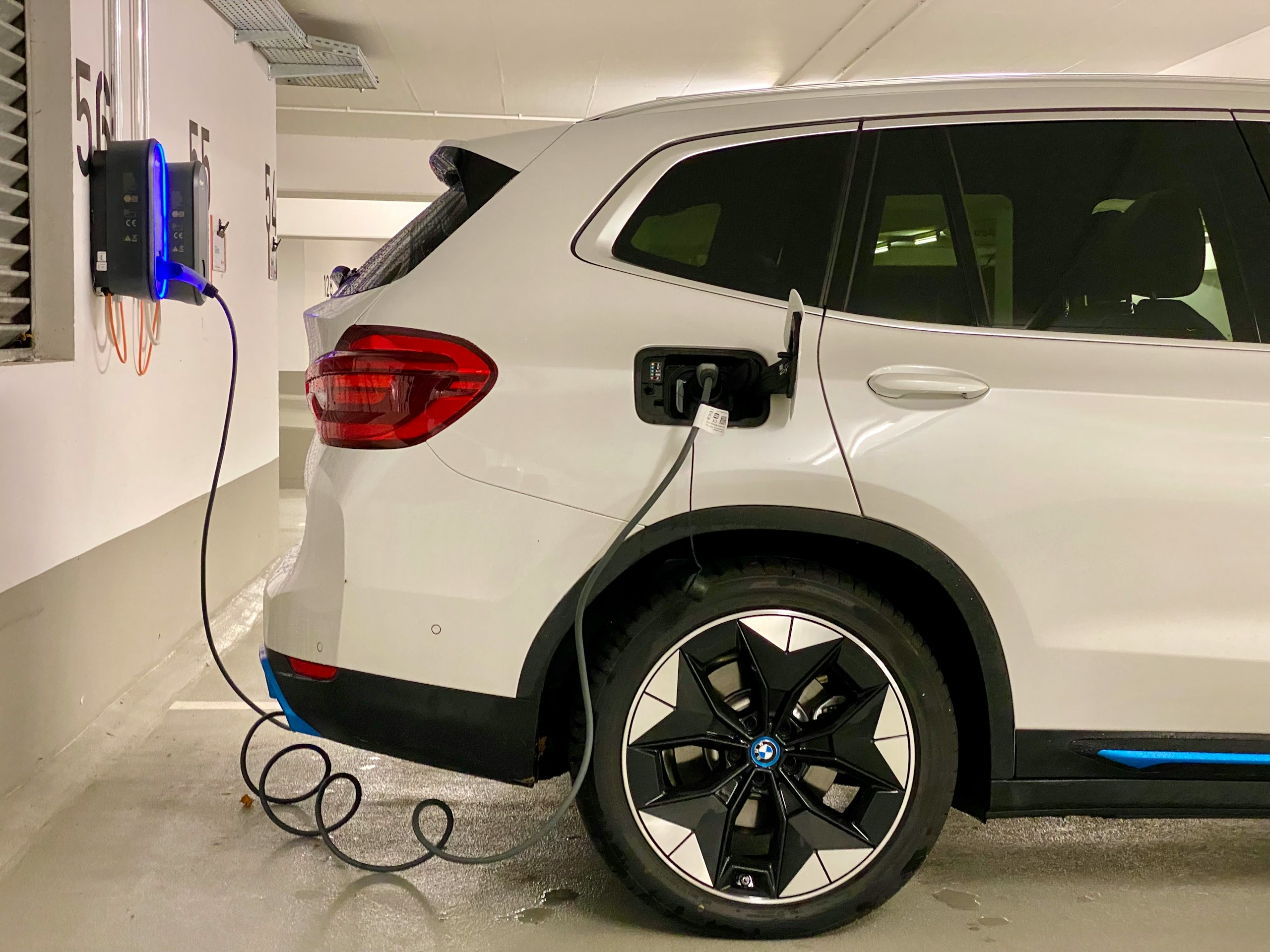
- Can I install a home charger?
- Are fast chargers available near my home?
- What happens during road trips?
- How long does charging actually take?
- Does the manufacturer use the charging standard common in my area?
- How much will home charging increase my electric bill?
Consumers should also understand that advertised charging times are often based on ideal conditions.
Cold weather, battery temperature, and charger availability can all affect real-world performance.
Question #5: What Happens If Something Goes Wrong?
This may be the most important question of all.
Even the best vehicles occasionally develop defects.
Ask:
- Where is the nearest authorized dealership?
- Do technicians receive specialized EV training?
- Are battery parts readily available?
- How long do major repairs usually take?
- Does the dealer provide loaner vehicles?
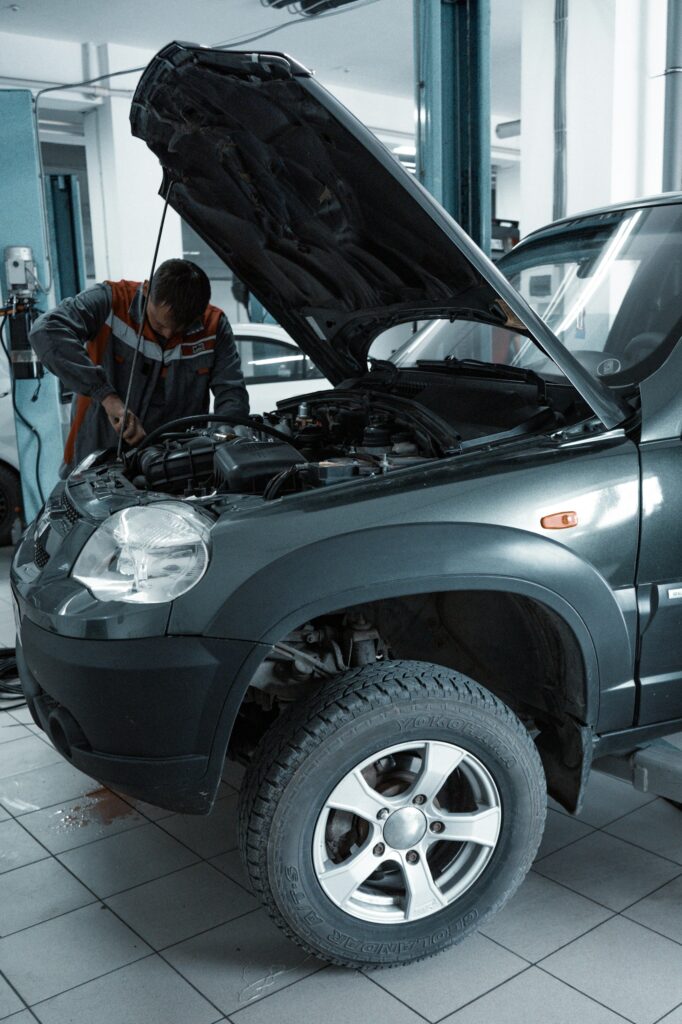
Electric vehicle repairs often require specially trained technicians and specialized diagnostic equipment.
Unlike replacing brake pads, repairing a high-voltage battery system may require additional expertise and parts that are not immediately available.
EVs Introduce New Types of Problems
Electric vehicles eliminate many traditional maintenance items.
No oil changes.
No spark plugs.
No timing belts.
But they introduce entirely new systems.
Examples include:
Battery Management Systems
These systems regulate charging, temperature, and battery performance.
High-Voltage Components
Electric motors, inverters, and power electronics require specialized service.
Charging Systems
Problems may involve:
- Home charging
- Fast charging
- Charging ports
- Charging software
Thermal Management
Battery temperature significantly affects:
- Charging speed
- Driving range
- Battery longevity
Failures in cooling systems can dramatically reduce performance.
Technology Brings Convenience—And Complexity
Modern EVs include:
- Smartphone apps
- Remote climate control
- Digital keys
- Wireless software updates
- Driver assistance
- Artificial intelligence
- Predictive maintenance
Every new feature creates another possible failure point.
Fortunately, manufacturers remain responsible for correcting warranty-covered defects.
What If My New EV Keeps Going Back to the Dealer?
Every vehicle occasionally requires warranty repairs.
Repeated repairs are different.
If your EV experiences:
- Charging failures
- Battery problems
- Software glitches
- Electrical defects
- Driver-assistance failures
- Repeated warning lights
continue bringing the vehicle to an authorized dealership.
Never assume:
“They’ve already tried twice. They’ll never fix it.”
Manufacturers generally deserve a reasonable opportunity to repair defects.
But if repeated repairs fail, your legal rights may expand.
When Can an EV Qualify as a Lemon?
Every state’s Lemon Law differs.
Many states evaluate:
- Multiple repair attempts
- Time out of service
- Whether the defect substantially impairs use, value, or safety
Software problems, battery failures, charging defects, and electrical issues may all qualify if they significantly interfere with ownership.
Consumers often believe Lemon Laws only apply to engine failures.
Modern EVs prove otherwise.
Don’t Forget About the Magnuson-Moss Warranty Act
Even if your state’s Lemon Law no longer applies, the federal Magnuson-Moss Warranty Act may still protect consumers.
This law requires manufacturers to honor written warranties.
It often applies to:
- Multiple warranty defects
- Battery problems
- Charging failures
- Software issues
- Electronic components
Successful consumers may also recover attorney’s fees in qualifying cases.
Protect Yourself Before Problems Develop
If you purchase a first-year EV:
Save Every Repair Order
Documentation matters.
Install Approved Software Updates
Updates frequently correct early issues.
Report Problems Promptly
Don’t wait months before scheduling repairs.
Keep Photos and Videos
Warning lights often disappear before technicians inspect the vehicle.
Read Warranty Documents
Know exactly what is—and is not—covered.
Frequently Asked Questions
Should I avoid buying the first model year of an EV?
Not necessarily. Many first-year EVs perform exceptionally well. Understanding the risks simply helps consumers make informed decisions.
Do battery warranties cover everything?
No. Coverage varies significantly among manufacturers.
Can software defects qualify under Lemon Laws?
Yes. Many state Lemon Laws focus on whether defects substantially impair the vehicle—not whether they are mechanical or electronic.
What if charging problems keep returning?
Repeated charging failures may support a warranty or Lemon Law claim if they significantly interfere with normal vehicle use.
Final Thoughts
Electric vehicles represent one of the most significant advancements in automotive history. They offer impressive performance, lower maintenance requirements, and increasingly practical everyday transportation. For many buyers, purchasing the first model year of a new EV will be a rewarding experience.
But innovation also brings uncertainty. New battery systems, charging technologies, software platforms, and electronic features sometimes reveal issues that only become apparent after vehicles reach consumers. Asking the right questions before you buy can help you make a confident, informed decision—and understanding your warranty and Lemon Law rights can provide peace of mind if problems arise.
Remember, manufacturers are expected to deliver vehicles that function as promised. Whether the issue involves battery performance, charging systems, software updates, or electronic defects, you shouldn’t have to accept repeated trips to the dealership as the cost of owning cutting-edge technology. If your new EV repeatedly experiences warranty-covered problems, state Lemon Laws and the Magnuson-Moss Warranty Act may provide important remedies to protect your investment.