Why There Isn’t One “Magic Number”—And What Mortgage Lenders Are Really Looking For
“What’s the Minimum Credit Score I Need to Buy a House?”
It’s one of the first questions prospective homebuyers ask.
Whether you’re purchasing your first home, upgrading to a larger property, or refinancing your current mortgage, you’ve probably searched online for the “minimum credit score” needed to qualify.
Unfortunately, many of the answers you’ll find are oversimplified—or simply wrong.
The truth is:
There isn’t one credit score that guarantees mortgage approval.
Likewise, there isn’t one score that automatically disqualifies you.
Buying a home in 2026 involves much more than a single three-digit number.
Mortgage lenders consider your:
- Credit score
- Income
- Employment history
- Debt-to-income ratio
- Down payment
- Cash reserves
- Assets
- Credit history
- Type of loan you’re seeking
Your credit score matters—but it’s only one piece of the puzzle.
Understanding how lenders evaluate borrowers can help you prepare long before you submit your mortgage application.
First, You Don’t Have Just One Credit Score
One of the biggest misconceptions consumers have is believing they have one official credit score.
In reality, you may have dozens.
Different scores exist because lenders use:
- Different credit bureaus
- Different scoring models
- Different versions of those models
For example:
A free credit monitoring app might show:
742
Your bank may display:
735
A mortgage lender may calculate:
726
All three scores can be correct.
They’re simply measuring your credit differently.
The Three Major Credit Bureaus
Mortgage lenders generally obtain information from one or more of the nation’s three major credit reporting agencies:
- Equifax
- Experian
- TransUnion
Because not every creditor reports to every bureau, your reports—and your scores—may differ slightly.
Different Mortgage Lenders Use Different Credit Scores
Many consumers assume every lender uses the same scoring system.
They don’t.
A lender may use:
- Certain FICO mortgage scoring models
- Newer VantageScore models where applicable
- Proprietary underwriting systems
- Internal risk models
As mortgage lending continues to evolve, different financial institutions may evaluate the same borrower differently.
So… What Credit Score Do You Need?
While every lender establishes its own underwriting guidelines, consumers often see ranges such as these.
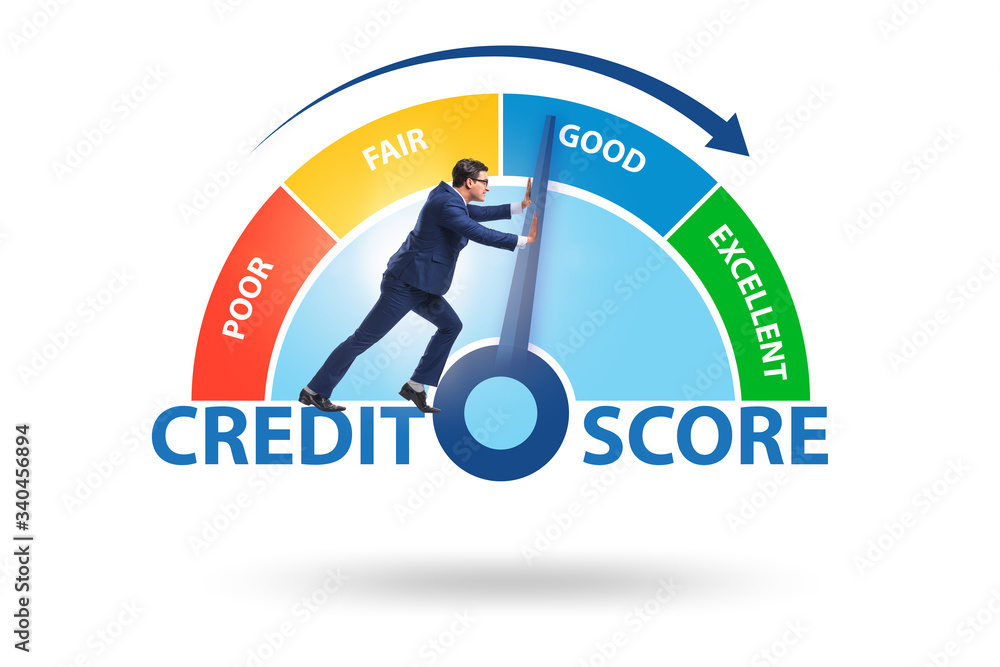
760 and Above
Generally considered excellent.
Borrowers in this range often qualify for the most favorable interest rates and loan terms, assuming the rest of the application is strong.
720–759
Very strong credit.
Many borrowers in this range remain eligible for highly competitive financing.
680–719
Good credit.
Many lenders offer attractive mortgage products to borrowers within this range, although interest rates may differ from those available to applicants with higher scores.
620–679
Approval is often possible, depending on:
- Loan type
- Income
- Down payment
- Debt-to-income ratio
- Overall financial profile
Below 620
Approval becomes more challenging, but not necessarily impossible.
Certain loan programs may still be available depending on the lender and your overall financial circumstances.
Remember, these are general ranges—not guarantees.
Every lender makes independent underwriting decisions.
Different Loan Programs Have Different Standards
Conventional Loans
Conventional mortgages generally place significant emphasis on credit scores.
Borrowers with stronger credit often receive lower interest rates and better loan terms.
FHA Loans
Federal Housing Administration (FHA) loans were designed to expand homeownership opportunities.
Many borrowers with modest credit histories find FHA financing to be an attractive option.
Specific eligibility requirements depend on current FHA guidelines and lender overlays.
VA Loans
Eligible veterans, active-duty service members, and certain surviving spouses may qualify for VA loans.
While the Department of Veterans Affairs does not establish a universal minimum credit score, individual lenders often have their own requirements.
USDA Loans
USDA loans help eligible borrowers purchase homes in qualifying rural areas.
Like other programs, participating lenders establish their own underwriting criteria.
Your Credit Score Isn’t the Only Thing That Determines Your Interest Rate
Consumers often focus exclusively on their score.
Lenders don’t.
Interest rates may also be influenced by:
- Down payment
- Loan amount
- Loan term
- Property type
- Occupancy
- Existing debt
- Cash reserves
Two borrowers with identical credit scores may receive different loan offers based on other financial factors.
What Is Debt-to-Income Ratio?
Debt-to-income ratio (DTI) compares your monthly debt obligations to your gross monthly income.
For example:
Monthly income:
$6,000
Monthly debt payments:
$2,100
DTI:
35%
A lower DTI generally indicates greater financial flexibility.
Lenders often view manageable debt levels favorably.
Don’t Make These Mistakes Before Closing
Many homebuyers unknowingly hurt their mortgage applications after pre-approval.
Avoid:
Financing Furniture
That “no payments for 12 months” offer may create a new credit inquiry and increase your debt.
Buying a Vehicle
A new auto loan can significantly affect your debt-to-income ratio.
Opening New Credit Cards
Additional inquiries and new accounts may temporarily affect your credit profile.
Missing Payments
Even one missed payment can create problems before closing.
Increasing Credit Card Balances
Large purchases may increase your utilization ratio and affect your credit score.
How to Improve Your Credit Before Applying
Ideally, begin preparing six to twelve months before shopping for a home.
Pay Every Bill on Time
Payment history remains one of the most influential factors in nearly every scoring model.
Reduce Credit Card Balances
Keeping balances low relative to your available credit can strengthen your credit profile.
Avoid Unnecessary Applications
Only apply for credit when necessary.
Keep Older Accounts Open
Length of credit history often contributes positively to many scoring models.
Monitor Your Credit Reports
Review all three credit reports regularly.
Look for:
- Incorrect balances
- Duplicate accounts
- Identity theft
- Fraudulent accounts
- Incorrect late payments
What If Your Credit Report Contains Errors?
Mistakes happen more often than many consumers realize.
Common errors include:
- Accounts belonging to someone else
- Incorrect payment history
- Duplicate reporting
- Identity theft
- Outdated information
- Incorrect balances
Even relatively small inaccuracies may affect your ability to qualify for favorable mortgage terms.
The Fair Credit Reporting Act (FCRA) gives consumers important rights to dispute inaccurate information appearing on their credit reports.
Correcting errors before applying for a mortgage may improve both your credit score and your borrowing opportunities.
Frequently Asked Questions
What is the “perfect” credit score for buying a house?
There isn’t one. Higher scores generally qualify for more favorable interest rates, but lenders evaluate many additional factors beyond your score.
Can I buy a home with a credit score under 700?
Yes. Many borrowers purchase homes with scores below 700, depending on the loan program, lender requirements, income, and overall financial profile.
Why is my mortgage score lower than my credit monitoring app?
Mortgage lenders often use different scoring models than consumer credit monitoring services, so different scores are normal.
How early should I prepare my credit before buying a house?
Ideally, begin reviewing and improving your credit six to twelve months before applying for a mortgage.
Should I dispute errors before applying?
Absolutely. Correcting inaccurate information may improve your credit profile and increase your chances of obtaining favorable financing.
Final Thoughts
Buying a home is one of the largest financial decisions most people will ever make, and it’s natural to focus on your credit score. But successful mortgage applications aren’t built around one “magic number.” They’re built around a complete financial picture that includes responsible payment history, manageable debt, stable income, sufficient savings, and accurate credit reporting.
Rather than chasing the highest possible score, concentrate on improving the factors you can control. Pay your bills on time, reduce unnecessary debt, avoid opening new accounts before applying, and carefully review your credit reports for errors well before you begin house hunting.
If inaccurate information is lowering your credit score, don’t assume you have to live with it. Federal law gives consumers important rights to dispute incorrect reporting.
At Ginsburg Law Group, we help consumers protect their rights under the Fair Credit Reporting Act (FCRA) and assist clients whose credit reports contain inaccurate information that may affect their ability to obtain mortgages, auto loans, or other financing. We also offer resources through ScoreBoosterPro to help consumers better understand and improve their credit profiles before making major financial decisions.
Your dream home shouldn’t be out of reach because of a preventable credit reporting error. The earlier you prepare, the stronger your position will be when it’s time to apply for a mortgage.