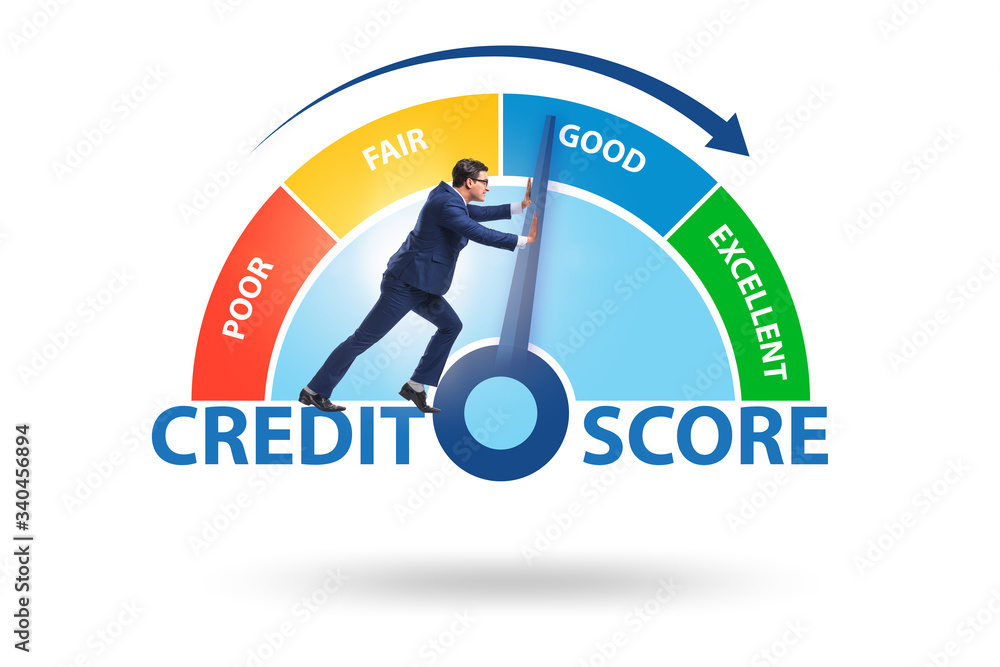
Artificial intelligence (AI) seems to be everywhere. It writes emails, summarizes meetings, plans vacations, helps students study, and even recommends what movie you should watch next. But one of the most practical—and potentially life-changing—uses of AI is helping consumers improve their financial health.
If your credit score has taken a hit because of late payments, collections, high balances, identity theft, or simply a lack of financial knowledge, AI can become a valuable tool in your recovery process.
However, there is an important distinction to understand from the beginning:
AI cannot magically erase accurate negative information from your credit report. Any company promising that AI can instantly remove collections, charge-offs, bankruptcies, or late payments is likely making misleading claims.
What AI can do is help you become more organized, more informed, and more strategic. When combined with smart financial habits and, when necessary, legal assistance, AI can significantly improve your chances of rebuilding your credit.
Here’s how.
Step 1: Understand What Is Hurting Your Credit
Before you can improve your score, you need to understand why it is low.
AI excels at analyzing information.
After obtaining copies of your credit reports from all three major credit bureaus (Experian, Equifax, and TransUnion), you can ask AI questions such as:
- What negative accounts appear on my report?
- Which accounts are hurting my score the most?
- What items should I prioritize?
- Which accounts appear inaccurate or incomplete?
- Are there duplicate accounts?
- Are there signs of identity theft?
Instead of staring at pages of confusing credit information, AI can organize the report into understandable categories.
For example, AI may summarize:
- 4 late payment accounts
- 2 collection accounts
- Credit utilization at 87%
- Average account age 3.5 years
- One hard inquiry from an unknown lender
That gives you a roadmap.
Step 2: Learn What Actually Affects Your Credit Score
Many consumers believe myths about credit.
Some think paying off an old collection automatically removes it.
Others believe closing credit cards improves their score.
AI can explain how credit scoring actually works.
While exact formulas vary, payment history generally carries the greatest weight, followed by:
- Credit utilization
- Length of credit history
- Types of credit
- Recent applications
Understanding these factors helps you make better decisions instead of relying on internet rumors.
Step 3: Build a Personalized Credit Improvement Plan
Everyone’s credit situation is different.
Someone with:
- Medical collections
- High credit card balances
- Student loans
- Recent bankruptcy
- Identity theft
- Thin credit history
needs a different strategy.
AI can help you develop a personalized action plan based on your circumstances.
For example:
Week 1
- Obtain all three credit reports.
- Review for inaccuracies.
- List monthly debts.
Week 2
- Pay down highest utilization card.
- Set up automatic payments.
- Dispute inaccurate information.
Month 2
- Open secured credit card if appropriate.
- Continue lowering balances.
- Monitor score monthly.
Instead of random advice, AI helps organize realistic goals.
Step 4: Review Your Credit Report for Errors
The Fair Credit Reporting Act (FCRA) gives consumers important rights.
Credit reports sometimes contain:
- Wrong balances
- Incorrect payment histories
- Accounts belonging to someone else
- Duplicate collections
- Incorrect dates
- Identity theft accounts
- Accounts that should have been removed
AI can compare information across all three reports and identify inconsistencies.
It can also point out missing information that creditors are required to report accurately.
Remember, AI identifies possible issues—it does not determine whether a legal violation exists.
Step 5: Draft Effective Dispute Letters
If you discover inaccurate information, AI can help draft dispute letters.
For example:
- Incorrect late payment
- Wrong balance
- Paid collection still reported as unpaid
- Mixed credit file
- Identity theft account
AI can organize the facts into a professional letter that clearly explains:
- What is inaccurate
- Why it is inaccurate
- Supporting documents
- Requested correction
Always review any AI-generated letter before sending it.
Accuracy matters.
Step 6: Create a Debt Payoff Strategy
One of AI’s greatest strengths is running calculations.
Suppose you owe:
- Card A: $8,000
- Card B: $2,500
- Card C: $900
- Personal loan: $5,000
AI can compare different repayment methods, including:
Snowball Method
Pay smallest balances first for motivation.
Avalanche Method
Pay highest interest rates first to save money.
Hybrid Strategy
Balance psychological wins with financial savings.
AI can estimate:
- Time until debt-free
- Interest savings
- Monthly payment options
- Impact of additional payments
Step 7: Improve Credit Utilization
High credit card balances significantly impact credit scores.
AI can calculate your utilization instantly.
For example:
Card 1
Balance: $4,800
Limit: $5,000
Utilization: 96%
Card 2
Balance: $1,500
Limit: $10,000
Utilization: 15%
Overall utilization:
52%
AI can recommend which cards to pay first to maximize score improvement.
Sometimes paying down one specific card produces greater results than spreading payments equally.
Step 8: Never Miss Another Payment
Late payments can damage your score for years.
AI can help you create:
- Payment calendars
- Budget reminders
- Automatic payment schedules
- Spending forecasts
Many AI-powered budgeting apps now monitor upcoming bills and warn users before payments are due.
Consistency is one of the fastest ways to rebuild credit.
Step 9: Build a Realistic Budget
Improving credit requires positive cash flow.
AI can analyze:
- Income
- Fixed expenses
- Variable expenses
- Subscription services
- Spending habits
It may identify:
- Unused subscriptions
- Excess restaurant spending
- Duplicate insurance
- Recurring fees
The money saved can go toward reducing debt.
Step 10: Prepare for Conversations With Creditors
Sometimes negotiating directly with creditors makes sense.
AI can help prepare:
- Settlement proposals
- Hardship explanations
- Payment plan requests
- Financial summaries
For example, AI can draft a hardship letter explaining:
- Job loss
- Medical issues
- Divorce
- Disability
- Temporary financial setbacks
The final version should always accurately reflect your circumstances.
Step 11: Monitor Your Progress
Many consumers become discouraged because credit improvement feels slow.
AI can track:
- Monthly score changes
- Accounts paid off
- Utilization decreases
- Collection removals
- Dispute outcomes
Seeing measurable progress helps maintain motivation.
Step 12: Learn Before Making Big Financial Decisions
Thinking about:
- Financing a car?
- Buying a home?
- Opening a new credit card?
- Closing an old account?
- Paying off a collection?
Ask AI first.
It can explain the potential advantages and disadvantages based on general credit principles.
While AI cannot predict your exact score change, it can help you understand likely outcomes.
Step 13: Spot Potential Identity Theft
AI can help review credit reports for suspicious activity.
Examples include:
- Unknown accounts
- Unexpected inquiries
- Incorrect addresses
- New loans
- Multiple collection accounts
Early detection may reduce long-term damage.
Step 14: Understand Collection Laws
Consumers often panic after receiving collection notices.
AI can explain:
- Debt collection timelines
- Validation rights
- Statutes of limitation
- Credit reporting rules
- Settlement considerations
Because collection laws vary by state, always verify legal advice with a qualified attorney when necessary.
Step 15: Learn About Your Legal Rights
Consumers have protections under several federal laws, including:
- Fair Credit Reporting Act (FCRA)
- Fair Debt Collection Practices Act (FDCPA)
- Fair Credit Billing Act (FCBA)
- Truth in Lending Act (TILA)
AI can provide educational overviews of these laws and help you understand what questions to ask.
It should not replace individualized legal advice.
What AI Cannot Do
Despite the marketing hype, AI has important limitations.
AI cannot:
- Remove accurate negative information.
- Force a credit bureau to delete valid accounts.
- Guarantee a specific credit score.
- Predict lender approval.
- Create a new credit identity.
- Make debts disappear.
- Replace legal advice from an attorney.
Be skeptical of any service promising otherwise.
Be Careful About Sharing Personal Information
When using AI tools, think carefully before entering sensitive personal information.
Avoid sharing:
- Full Social Security numbers
- Bank account numbers
- Credit card numbers
- Passwords
- Login credentials
- Driver’s license numbers
If you use AI to review a credit report, consider redacting personal identifiers before uploading documents.
Protecting your identity is just as important as improving your credit.
When AI Is Not Enough
Sometimes credit problems involve legal issues rather than budgeting issues.
Examples include:
- Identity theft
- Credit reporting errors that are not corrected
- Debt collection harassment
- Lawsuits filed by creditors
- Wage garnishment
- Frozen bank accounts
- Default judgments
- Incorrect bankruptcy reporting
In these situations, an experienced consumer protection attorney may be able to help enforce your rights under federal or state law.
AI can help you understand the process, but it cannot represent you in court or negotiate on your behalf.
The Bottom Line
Artificial intelligence is one of the most powerful financial education tools available today. Used wisely, it can help you understand your credit report, organize your finances, create a debt repayment strategy, identify potential reporting errors, and build healthier financial habits.
The key is to view AI as a knowledgeable assistant—not a miracle cure. Improving your credit still requires time, consistency, and informed decision-making. Paying bills on time, reducing debt, checking your credit reports for inaccuracies, and exercising your legal rights remain the foundation of long-term credit improvement.
If your credit challenges involve inaccurate reporting, aggressive debt collection, or a creditor lawsuit, don’t rely solely on technology. AI can help you prepare and become more informed, but there are situations where professional legal guidance can make a meaningful difference.
When combined with discipline and the right advice, AI can become an important part of your journey toward stronger credit, greater financial confidence, and more opportunities in the future.