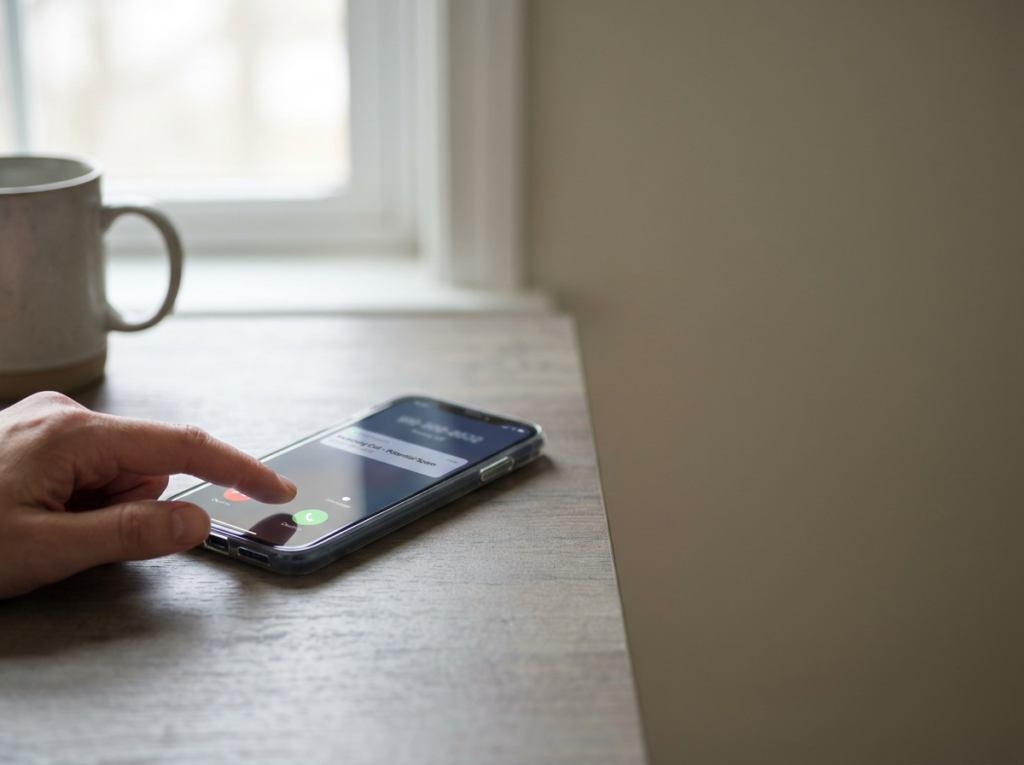

We’ve all been there. You’re in the middle of a meeting, eating dinner, or finally settling in for a nap when your phone buzzes. You check the screen, hoping for a message from a friend, only to see a generic text about a “low-interest loan” or a call from “Scam Likely.”
It’s frustrating. It’s invasive. And most importantly, it might be illegal.
Most people just block the number and move on with their day. But what if you could do more than just block them? What if you could actually get paid for the annoyance?
Thanks to a federal law called the Telephone Consumer Protection Act (TCPA), you can. This law doesn’t just exist to stop harassing robocalls: it exists to penalize the companies that send them. If you’re being hounded by automated messages or calls you never asked for, you could be entitled to anywhere from $500 to $1,500 per violation.
Here is exactly how you can turn those annoying notifications into a potential payday.
The Law: What is the TCPA?
The Telephone Consumer Protection Act (TCPA) is your primary weapon against telemarketing harassment. Passed in 1991 and updated frequently to keep up with new technology, it restricts how companies can use autodialers, prerecorded voices, and text messages to contact you.
Under the TCPA, companies generally cannot:
- Use an automated system to call or text your cell phone without your express consent.
- Call you using an artificial or prerecorded voice.
- Contact you if your number is on the National Do Not Call Registry.
- Continue calling or texting you after you have explicitly told them to stop.
👉 The Bottom Line: If they don’t have your permission to be on your phone, they shouldn’t be there. Every time they break these rules, they owe you money.
The Money: $500 to $1,500 Per Call

When we talk about “revenge,” we aren’t just talking about satisfaction. We are talking about statutory damages.
The TCPA is a “strict liability” statute with specific dollar amounts attached to every violation:
- $500 per call or text: This is the standard amount for a basic violation.
- $1,500 per call or text: If a court finds that the company “willfully or knowingly” violated the law, the damages can be tripled.
Think about that for a second. If a single telemarketer sends you 10 automated texts over a week after you’ve told them to stop, that’s a potential $15,000 claim.
This is why it is so important to sue telemarketers for robocalls when they cross the line. It isn’t just about the money; it’s about making the cost of doing business too high for companies that ignore consumer rights.
Step 1: Start Your “Robocall Revenge” Log

If you want to win, you need evidence. You can’t just walk into a law office and say, “I think I got a lot of texts last month.” You need a paper trail.
We recommend keeping a Contact Log for every suspicious call or text you receive. It doesn’t have to be fancy: a simple spreadsheet or a dedicated notebook will do.
✅ Your log should include:
- Date and Time: Exactly when did the phone ring?
- Phone Number: What number showed up on your caller ID?
- The Message: Was it a live person, a prerecorded voice, or a text?
- The Content: What were they selling? Did they mention a company name or a website?
- Your Response: Did you tell them to stop? Did you reply “STOP” to a text?
⚠️ Pro Tip: Never delete the evidence. Keep the text threads on your phone and save your voicemails. These are the “smoking guns” of a TCPA case.
Step 2: Revoke Consent Clearly

Companies often hide “consent” in the fine print of a website you visited or a service you signed up for. They might think they have permission to contact you, but you have the right to change your mind.
To turn a regular annoyance into a high-value “willful violation,” you must revoke consent.
How to do it properly:
- For Texts: Simply reply with the word STOP. This is the universal “opt-out” command. If they send another marketing text after that, they are likely in violation.
- For Calls: If a live person answers, say: “I revoke any and all consent to be called on this number. Place me on your internal do-not-call list immediately.”
- In Writing: For persistent offenders, sending a written notice via certified mail is the ultimate way to prove they received your request.
Once you have revoked consent, any subsequent contact is like a ticking time bomb for the company’s bank account.
Step 3: Register for the Do Not Call List
If you haven’t already, head over to the National Do Not Call Registry and register your number.
While this won’t stop the most aggressive scammers (who usually ignore the law anyway), it creates a legal “line in the sand” for legitimate businesses. If your number has been on the list for at least 31 days, and a company calls you for telemarketing purposes without a prior business relationship, that is an automatic violation.
You can also report these calls directly to the FCC Complaint Portal to help regulators track down the biggest offenders.
Common Myths About Robocalls
Myth #1: “I can’t sue if I don’t know who is calling.”
Reality: While it’s harder to track down anonymous callers, it isn’t impossible. Our legal team has tools to investigate and identify the entities behind these numbers. Often, the company paying for the leads is just as liable as the person making the call.
Myth #2: “I have to pay a lawyer upfront to sue telemarketers.”
Reality: Not at Ginsburg Law Group. We handle TCPA cases on a contingency basis. This means we don’t get paid unless we recover money for you. There is zero risk in pursuing your rights.
Myth #3: “Spam texts don’t count.”
Reality: Text messages are treated exactly like phone calls under the TCPA. If it’s an automated text you didn’t ask for, it’s a violation.
Why You Need a Consumer Protection Attorney

Taking on a massive financial institution or a high-tech marketing firm by yourself is a David vs. Goliath situation. These companies have legal teams dedicated to finding loopholes in the TCPA.
That’s where we come in. At Ginsburg Law Group PC, we specialize in holding these companies accountable. We know the triggers that turn a $500 claim into a $1,500 claim. We know how to navigate the recent changes in technology: including the rise of AI robocalls.
We prioritize your story. When you come to us, we don’t just see a case number; we see a person who is tired of being harassed in their own home.
Your “Revenge” Checklist: Next Steps
If your phone is buzzing right now, don’t just ignore it. Follow this checklist:
- Stop deleting: Keep every text and voicemail.
- Screenshot everything: Capture the logs before they get pushed off your history.
- Reply STOP: Start the paper trail of revoking consent.
- Start your log: Note the dates, times, and names.
- Consult the pros: Reach out to us for a free evaluation of your evidence.
Ready to take control of your phone and your peace of mind? Explore our TCPA Toolkit for more resources, or contact us directly to see if your “Scam Likely” calls are actually “Cash Likely.”
The bottom line is simple: You didn’t ask for the harassment. You shouldn’t have to live with it. Let’s make them pay.