The quick idea
If you’re getting repeated robocalls or marketing texts, the Telephone Consumer Protection Act (TCPA) may apply. The most helpful thing you can do early is create a clean record of what’s happening.
What counts as “evidence” in the real world
You don’t need fancy tools. You need consistency.
Save these items
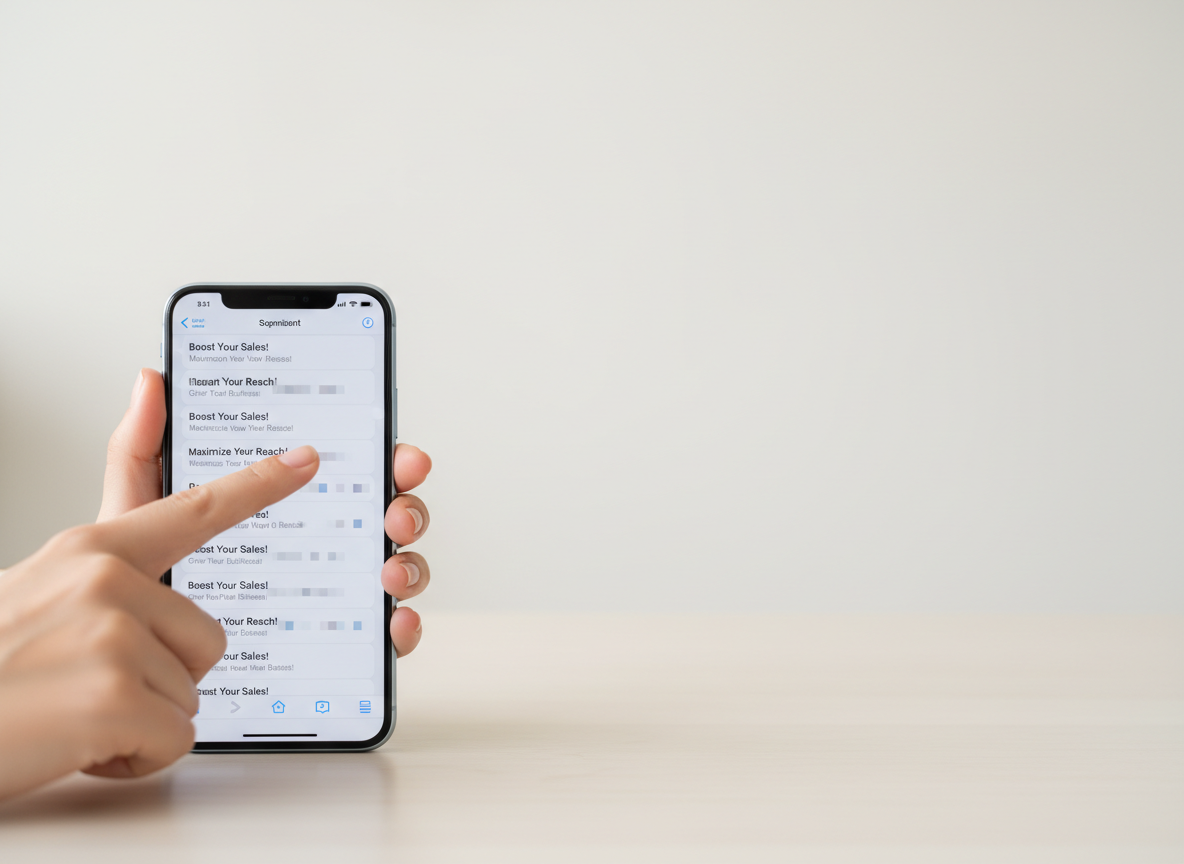
- Screenshots of texts (include the number and date/time)
- Call logs showing frequency
- Voicemails (download if possible)
- Any “STOP” requests you sent and the response
- Notes about whether you gave consent (and when)
If you think you gave consent
Consent is often the battleground. Save:
- The webpage where you entered your number (if you can find it)
- Any confirmation emails
- Terms and conditions (screenshots)
- The date you opted in (approximate is better than nothing)
Practical checklist: your TCPA tracking system (10 minutes)
- Create a note titled “Robocalls/Text Log.”
- For each contact, log:
- Date/time
- Number
- Type (call/text)
- Message summary
- Any keywords (e.g., “debt relief,” “health insurance,” “solar”)
- Take screenshots weekly and back them up.
What not to do
- Don’t click suspicious links.
- Don’t send personal info.
- Don’t assume “STOP” always works (but it’s still worth documenting).
- Don’t delete messages—archiving is better.
Common patterns that matter
- Multiple texts in a short period
- Messages that look automated
- Calls from rotating numbers with the same pitch
- Contacts continuing after you asked them to stop
If you’re being bombarded by robocalls or texts, Ginsburg Law Group, PC can review your screenshots and call logs to help you understand whether the TCPA may apply and what a reasonable next step looks like.