If you’re getting repeated robocalls or spam texts—especially after you’ve asked them to stop—you’re not alone. Many consumers want to know: “Is this illegal?”
The Telephone Consumer Protection Act (TCPA) is a federal law that can restrict certain automated calls and texts. But before any legal analysis, you need something simple: a clean record of what’s happening.
This post gives you a practical checklist to document unwanted calls/texts and reduce your risk of scams.
What the TCPA generally covers (in plain English)
The TCPA can apply to certain:
- Autodialed calls or texts
- Prerecorded/artificial voice calls
- Calls/texts to cell phones without proper consent
- Calls to numbers on the National Do Not Call Registry (in some situations)
Not every annoying call is a TCPA case. Details matter.
Step 1: Create a “spam contact” folder on your phone
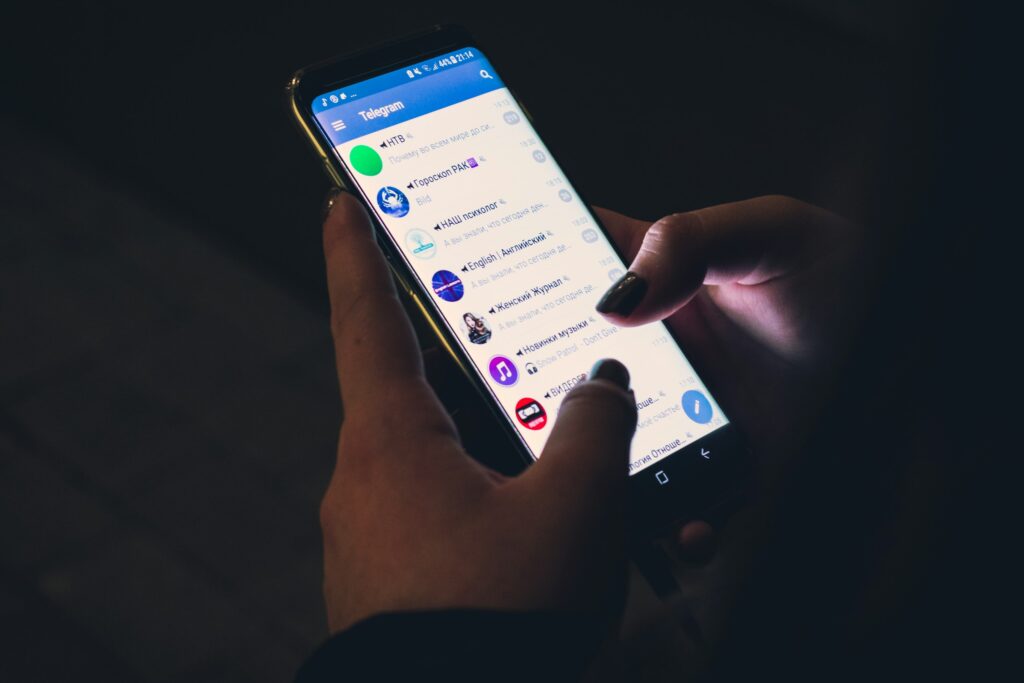
Save screenshots in one place:
- Call logs showing repeated calls
- Text threads
- Voicemail transcripts (if available)
You’re building a timeline.
Step 2: Document the key facts for each number
For each recurring number, write down:
- Phone number
- Date/time of calls or texts
- How often it happens
- Whether it’s a call, text, or both
- Whether it uses a prerecorded message
- What the message is about (short summary)
If the caller identifies a company, record the exact name used.
Step 3: Save the content (carefully)
- Screenshot texts (including any “STOP” messages you sent)
- Save voicemails
- If there’s a link in a text, do not click it—screenshot it instead
Step 4: Track consent issues
A lot of TCPA questions come down to consent. Make notes about:
- Whether you ever gave your number to that company
- Whether you checked a box online (and where)
- Whether the calls started after a purchase, quote request, or application
- Whether you revoked consent (asked them to stop)
If you did ask them to stop, document:
- The date you asked
- How you asked (text reply, phone call, email)
- Any confirmation message
Step 5: Reduce scam risk while you document
While you’re collecting evidence:
- Don’t provide your Social Security number or banking info to unknown callers
- Don’t confirm personal details to “verify your identity”
- Use call blocking tools where appropriate
- Consider enabling “Silence Unknown Callers” features (if available)
These steps don’t replace legal advice, but they can reduce harm.
Common red flags to note
- Calls at odd hours
- Repeated hang-ups
- “Urgent” threats or time pressure
- Requests for gift cards, crypto, or wire transfers
- Caller refuses to provide a mailing address
What to bring to a consultation
If you want a lawyer to evaluate a potential TCPA claim, it helps to have:
- Screenshots of call logs and texts
- A list of the top 3–5 most active numbers
- Any proof of consent (or lack of consent)
- Notes on when you asked them to stop
If robocalls or spam texts are disrupting your life, you don’t have to handle it alone. Ginsburg Law Group, PC can review your documentation and help you understand whether the TCPA or other consumer laws may apply.
We’ll give you a straightforward assessment based on the evidence—without promising any specific result.