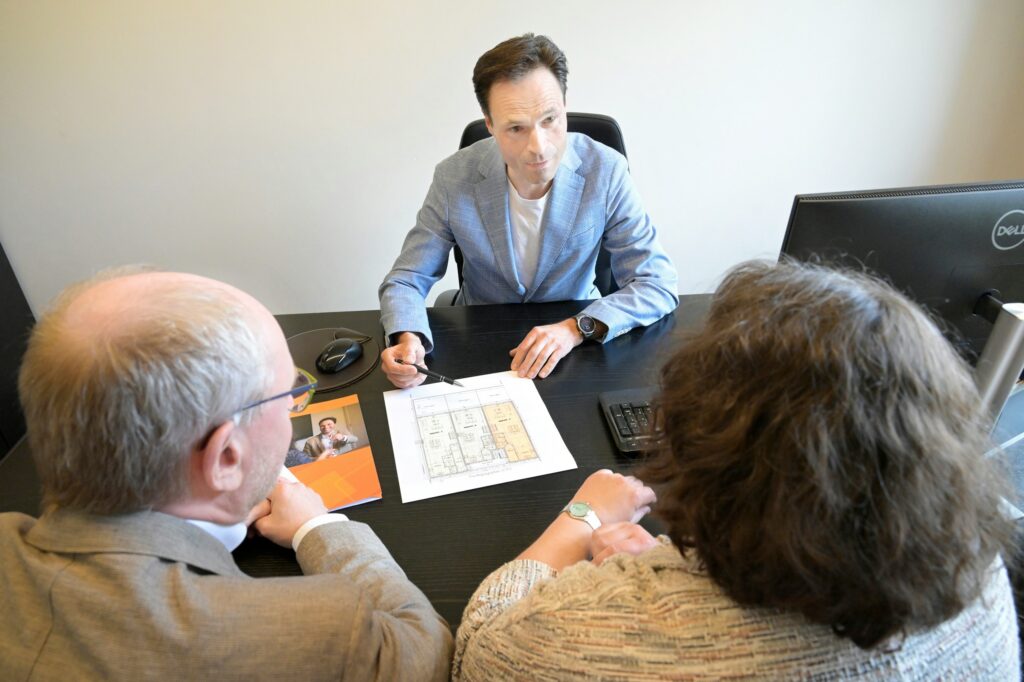
Retirement isn’t just about stepping away from work—it’s about protecting everything you’ve spent a lifetime building.
For more than two decades, Cristiano Ronaldo has been one of the most recognizable athletes in the world. Whether you know him as one of soccer’s greatest goal scorers, a global brand, or a devoted father and entrepreneur, one thing is certain: his eventual retirement from professional football has become a topic of worldwide conversation.
Every few months, new rumors emerge. Is this his last season? Will he retire after the World Cup? Is he moving into ownership, coaching, broadcasting, or expanding his business empire?
While fans debate what comes next for Ronaldo, his situation offers an important reminder for the rest of us.
Retirement isn’t just about ending a career. It’s about protecting your future, your family, and the legacy you’ve spent years creating.
Most of us won’t retire with endorsement deals worth millions or an international business empire. But every family has something worth protecting—whether it’s a home, retirement savings, a family business, or simply the desire to make life easier for loved ones after we’re gone.
If you’ve spent years building your financial security, retirement is the perfect time to make sure your estate plan is just as prepared as your retirement portfolio.
Retirement Is More Than a Financial Decision
When people think about retirement, they usually focus on questions like:
- Do I have enough saved?
- When should I claim Social Security?
- Will my pension be enough?
- How long will my money last?
Those are all important questions.
But many people overlook another equally important question:
What happens to everything I’ve built if something happens to me?
Retirement planning and estate planning should go hand in hand.
As your life changes, your legal documents should change with it.
Ronaldo Has Built More Than a Soccer Career
Regardless of when Cristiano Ronaldo ultimately retires, one thing is clear:
He isn’t simply walking away from a job.
He’s managing an international brand.
Over the years he has accumulated:
- Businesses
- Real estate
- Investments
- Intellectual property
- Sponsorship agreements
- Charitable initiatives
- Multiple homes
- Significant financial assets
Managing those assets requires planning.
While most families don’t own global brands, many have accumulated wealth in different ways over decades of work.
You may have:
- Your home
- Retirement accounts
- Life insurance
- Investment accounts
- Vacation property
- A family business
- Valuable collections
- Digital assets
Those assets deserve protection, too.
Retirement Is the Right Time to Review Your Estate Plan
One of the biggest mistakes people make is assuming that once they sign a will, they’re finished.
Estate planning isn’t a one-time event.
It’s an ongoing process.
Retirement is one of the most important milestones that should trigger a review of your estate plan.
Ask yourself:
- Is my will still accurate?
- Have my beneficiaries changed?
- Do I still trust the people I’ve named?
- Are my children now adults?
- Have grandchildren been born?
- Have I purchased additional property?
- Have I sold my business?
- Have tax laws changed?
If the answer to any of these questions is yes, your estate plan may need updating.
Your Retirement Accounts May Be Your Largest Asset
For many Americans, retirement accounts make up the largest portion of their estate.
These might include:
- 401(k)s
- IRAs
- Roth IRAs
- 403(b)s
- Pension benefits
One of the most common mistakes attorneys see involves beneficiary designations.
Many people believe their will controls everything.
It doesn’t.
Retirement accounts generally pass according to the beneficiary forms on file—not your will.
That means if your beneficiary designations haven’t been updated in years, your retirement savings could end up going somewhere you never intended.
Reviewing these designations is one of the easiest and most valuable things you can do before retiring.
Retirement Changes Family Dynamics
When you’re working, your daily routine is predictable.
Retirement changes everything.
Many retirees:
- Move to another state
- Downsize their homes
- Spend more time traveling
- Purchase vacation properties
- Help care for grandchildren
- Provide financial assistance to adult children
These life changes often require updates to legal documents.
For example:
If you’ve moved from Pennsylvania to another state, your estate planning documents should be reviewed to ensure they comply with your new state’s laws.
Healthcare Planning Becomes Even More Important
As we age, healthcare decisions become increasingly important.
No one likes to imagine becoming unable to make medical decisions.
Unfortunately, illnesses and accidents happen unexpectedly.
Every retirement plan should include:
Healthcare Power of Attorney
Someone you trust can make medical decisions if you cannot.
Living Will
This document communicates your wishes regarding end-of-life medical care.
HIPAA Authorization
Allows designated individuals to communicate with your healthcare providers.
Without these documents, family members may face unnecessary legal obstacles during already stressful situations.
Don’t Forget About Financial Powers of Attorney
Imagine you’re traveling when you experience a medical emergency.
Who can:
- Pay your bills?
- Access your accounts?
- Manage your investments?
- Sell property if necessary?
- Handle insurance claims?
A durable financial power of attorney allows someone you trust to act on your behalf if you’re unable to manage your own affairs.
Without one, your loved ones may have to seek court approval to manage your finances.
Retirement Is Also About Legacy
One reason Cristiano Ronaldo’s retirement attracts so much attention is because people aren’t just thinking about his career.
They’re thinking about his legacy.
How will he be remembered?
The same question applies to every family.
Legacy isn’t measured only by dollars.
It’s reflected in:
- Family values
- Charitable giving
- Education
- Memories
- Businesses
- Homes passed between generations
Estate planning provides an opportunity to intentionally shape the legacy you leave behind.
If You Own a Business, Retirement Planning Is Even More Critical
Many Americans own:
- Small businesses
- Professional practices
- Family farms
- Rental properties
- Side businesses
Retirement often raises difficult questions:
Who will take over?
Should the business be sold?
Will children become owners?
How will employees be protected?
Without succession planning, even successful businesses can struggle after an owner’s retirement or death.
A comprehensive estate plan should coordinate with your business succession strategy.
Consider a Revocable Living Trust
Many retirees ask whether they need a trust.
While trusts aren’t appropriate for everyone, they can offer significant advantages.
Depending on your goals, a revocable living trust may help:
- Avoid probate
- Simplify asset management
- Maintain privacy
- Plan for incapacity
- Coordinate multi-state property ownership
- Provide smoother administration for loved ones
For families with multiple properties, blended families, or larger estates, trusts are often an important planning tool.
Think Beyond Money
Estate planning isn’t just about dividing financial assets.
It’s also about preserving the things that matter most.
Consider:
Family photographs.
Military medals.
Jewelry.
Letters.
Recipes.
Digital photo libraries.
Social media accounts.
Cryptocurrency.
Online banking.
Subscription services.
Today’s estate plans increasingly include digital assets that didn’t even exist a generation ago.
Retirement Is the Time to Organize Your Affairs
One of the greatest gifts retirees can leave their families is organization.
Create a master list including:
- Bank accounts
- Investment accounts
- Insurance policies
- Retirement accounts
- Real estate
- Safe deposit boxes
- Password manager information
- Attorneys
- Financial advisors
- Accountants
Having this information readily available can dramatically reduce stress for surviving family members.
Don’t Forget About Taxes
Taxes don’t disappear in retirement.
Depending on your circumstances, your estate plan should consider:
- Required minimum distributions (RMDs)
- Capital gains
- Income taxes
- Inheritance taxes
- Estate taxes
- Charitable giving strategies
Coordinating your financial advisor, accountant, and estate planning attorney can help ensure these issues are addressed together rather than separately.
Protect Adult Children Without Creating Problems
Many retirees want to leave assets equally to their children.
But “equal” isn’t always “fair.”
One child may have special needs.
Another may struggle with creditors.
Another may be going through a divorce.
Still another may have significant financial experience.
Estate planning allows families to tailor inheritances to individual circumstances while preserving family harmony.
Retirement Is a Good Time to Have Difficult Conversations
Estate planning often fails because families never discuss expectations.
Consider talking with your loved ones about:
- Who you’ve named as executor
- Healthcare wishes
- Funeral preferences
- Financial goals
- Family heirlooms
- Charitable intentions
These conversations can reduce misunderstandings and prevent disputes later.
Your Legacy Is About More Than Your Net Worth
Cristiano Ronaldo’s legacy will include championships, records, charitable work, and the impact he made on generations of fans.
Your legacy doesn’t have to be measured in trophies or headlines.
It may be:
Helping your grandchildren attend college.
Keeping the family home in the family.
Supporting your favorite charity.
Providing financial security for your spouse.
Making sure your loved ones don’t have to navigate probate without guidance.
Every family has a legacy worth protecting.
Five Estate Planning Steps to Take Before Retirement
If you’re approaching retirement, now is an excellent time to:
- Review or update your will. Make sure it reflects your current wishes and family circumstances.
- Check beneficiary designations. Confirm that your retirement accounts, life insurance policies, and payable-on-death accounts list the people you intend.
- Execute updated powers of attorney. Ensure someone you trust can handle financial and medical decisions if needed.
- Evaluate whether a trust makes sense. Depending on your goals, a revocable living trust may simplify the administration of your estate and help avoid probate.
- Meet with an estate planning attorney. Laws change, families grow, and assets evolve. A periodic review can identify issues before they become problems.
The Bottom Line
Whether Cristiano Ronaldo retires this year or continues playing, the conversation surrounding his future reminds us of an important truth: retirement isn’t just about ending a career—it’s about preparing for the next chapter.
For most people, retirement is the culmination of decades of hard work, careful saving, and thoughtful planning. Protecting what you’ve built requires more than a healthy retirement account. It requires an estate plan that reflects your current life, safeguards your loved ones, and ensures your wishes are carried out when they matter most.
The best time to create or update your estate plan isn’t after retirement—it’s before life throws you an unexpected curveball. By taking proactive steps now, you can help minimize future legal complications, reduce stress for your family, and leave the kind of legacy that extends far beyond financial assets.
At Ginsburg Law Group, P.C., we help individuals and families prepare for every stage of life, including retirement. Whether you need a will, trust, powers of attorney, healthcare directives, or a comprehensive estate plan tailored to your goals, our experienced estate planning team is here to help. Contact us today to schedule a consultation and take the next step toward protecting your family, your future, and the legacy you’ve worked so hard to build.