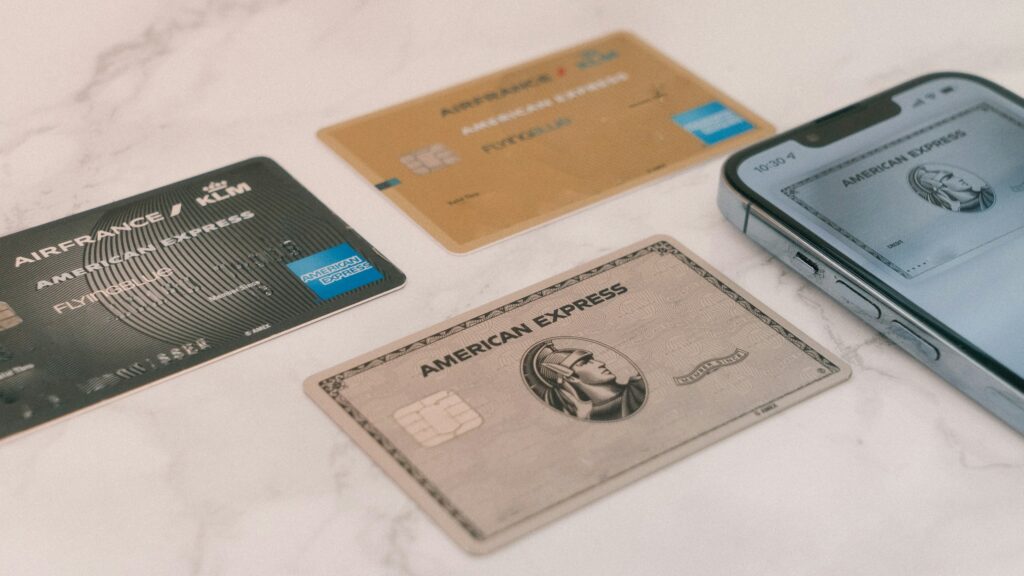
If you’ve ever looked at your credit card statement and felt confused by the terminology, you’re not alone.
Terms like:
- Interest rate
- APR
- Grace period
- Minimum payment
- Daily periodic rate
…get thrown around constantly—but most people aren’t fully sure what they mean or how they impact what you actually pay.
And that confusion can be expensive.
Understanding these terms isn’t just about financial literacy—it’s about protecting yourself from unnecessary interest, fees, and long-term debt.
Let’s break it all down in plain English.
💳 Interest vs. APR: The Most Important Distinction
These two terms are often used interchangeably—but they’re not exactly the same.
💸 What Is Interest?
Interest is the cost of borrowing money.
When you carry a balance on your credit card, the issuer charges you interest on that balance.
👉 Think of it as the price you pay for not paying your bill in full.
Example:
- Balance: $1,000
- Interest rate: 25% annually
If you carry that balance, you’ll pay interest on it—calculated daily.
📊 What Is APR?
APR (Annual Percentage Rate) is the broader term.
It represents the yearly cost of borrowing, including:
- Interest rate
- Sometimes additional costs (depending on the type of credit)
💡 For Credit Cards:
APR is essentially the interest rate expressed annually.
So when your card says:
- 24.99% APR
That’s the annual rate used to calculate your interest charges.
⚠️ Why This Matters
Most people focus on APR—but what really impacts your day-to-day balance is:
👉 How that APR is applied (daily, monthly, etc.)
🔄 How Interest Is Actually Calculated
Credit cards don’t just apply interest once per year.
They use something called a:
👉 Daily Periodic Rate
📅 Daily Periodic Rate Explained
Your APR is divided by 365 days.
Example:
- APR: 24%
- Daily rate: 24% ÷ 365 ≈ 0.0658% per day
That means:
- Interest is applied every single day
- On your average daily balance
📉 Why This Matters
The longer you carry a balance:
- The more days interest accumulates
- The more expensive your debt becomes
🧾 Statement Balance vs. Interest Charges
This is where everything connects.
✔ If You Pay Your Full Statement Balance:
- No interest is charged
- Grace period remains intact
❌ If You Don’t:
- Interest is applied to remaining balance
- Grace period is lost
- New purchases may start accruing interest immediately
👉 This is one of the most important rules in credit cards.
⏳ The Grace Period
The grace period is your opportunity to avoid interest.
What It Is:
The time between:
- Your statement closing date
- Your payment due date
Usually around 21–25 days.
✔ How It Works:
If you pay your full statement balance during this period:
👉 You pay zero interest
❌ When You Lose It:
If you carry a balance:
- The grace period disappears
- Interest starts immediately
💰 Minimum Payment: What It Really Means
Every credit card statement shows a minimum payment.
What It Does:
- Keeps your account in good standing
- Prevents late fees (if paid on time)
What It Doesn’t Do:
- Pay off your debt quickly
- Prevent interest
- Reduce balances significantly
💡 Example:
- Balance: $5,000
- Minimum payment: $150
Paying only the minimum:
- Keeps you current
- But allows interest to grow
👉 Minimum payments are designed for lenders—not for getting you out of debt.
📊 Credit Utilization
This is a key factor in your credit score.
What It Is:
The percentage of your available credit you’re using.
Example:
- Limit: $10,000
- Balance: $4,000
- Utilization: 40%
Why It Matters:
- Lower utilization = better credit score
- Higher utilization = higher perceived risk
💡 Best Practice:
- Keep utilization under 30%
- Ideally under 10%
📅 Statement Closing Date vs. Due Date
These two dates serve very different purposes.
📊 Statement Closing Date:
- Ends your billing cycle
- Determines your statement balance
- Often what gets reported to credit bureaus
💰 Payment Due Date:
- Deadline to make your payment
- Avoids late fees
- Avoids interest (if full statement balance is paid)
👉 Most people focus only on the due date—but both matter.
🔄 Current Balance vs. Statement Balance
Another common point of confusion.
📊 Statement Balance:
- Fixed amount from last billing cycle
- What you need to pay to avoid interest
💳 Current Balance:
- Includes new purchases
- Changes daily
- Total you owe right now
👉 You only need to pay the statement balance to avoid interest.
⚠️ Penalty APR
If you miss payments, your card issuer may apply a penalty APR.
What It Means:
- A much higher interest rate (sometimes 29%+)
- Applied after late or missed payments
Why It Matters:
- Makes debt significantly more expensive
- Can apply for months or longer
🧾 Fees to Watch Out For
Interest isn’t the only cost.
Common Fees:
💳 Late Fees
- Charged if you miss your due date
💸 Balance Transfer Fees
- Typically 3–5% of transferred amount
🌍 Foreign Transaction Fees
- Charged for purchases outside the U.S.
💰 Cash Advance Fees
- Higher interest + immediate interest (no grace period)
👉 These can add up quickly if you’re not paying attention.
🧠 How All These Terms Work Together
Let’s connect everything.
Scenario:
- You spend $3,000
- Statement closes → $3,000 statement balance
- Due date arrives
If You Pay $3,000:
- No interest
- Grace period continues
- Credit remains strong
If You Pay $1,500:
- Interest applies to remaining balance
- Grace period is lost
- New purchases may accrue interest immediately
👉 Understanding these terms helps you predict outcomes.
💡 Practical Tips to Use This Knowledge
✔ Always Pay the Statement Balance
This avoids:
- Interest
- Long-term debt
✔ Monitor Your Utilization
Keep balances low relative to limits.
✔ Know Your Dates
- Closing date → affects reporting
- Due date → affects fees and interest
✔ Avoid Minimum Payment Traps
Pay more than required whenever possible.
✔ Understand Your APR
Know how expensive your debt is if carried.
⚖️ What If You’re Already Paying Interest?
If you’re currently carrying a balance:
- Interest is working against you daily
- Minimum payments slow progress
- Costs increase over time
💡 At That Point, Focus On:
- Reducing balances
- Avoiding new charges
- Creating a structured payoff plan
🛠️ Additional Options May Include:
- Debt payoff strategies (snowball or avalanche)
- Negotiation or settlement
- Legal protections against improper collections
- Bankruptcy if the situation is overwhelming
💬 Final Takeaway
If you remember one thing, make it this:
👉 APR tells you how expensive your debt is.
Interest is what you actually pay when you carry a balance.
🧠 The Bottom Line
- Credit card terms aren’t just technical—they’re practical
- Understanding them helps you avoid costly mistakes
- Small misunderstandings can lead to big expenses
- Knowledge gives you control
💡 One Simple Rule
👉 Pay your full statement balance every month.
If you do that, most of these terms become far less important—because you won’t be paying interest at all.
And that’s the real goal:
Using credit cards as a tool…
…without letting them turn into a cost.