
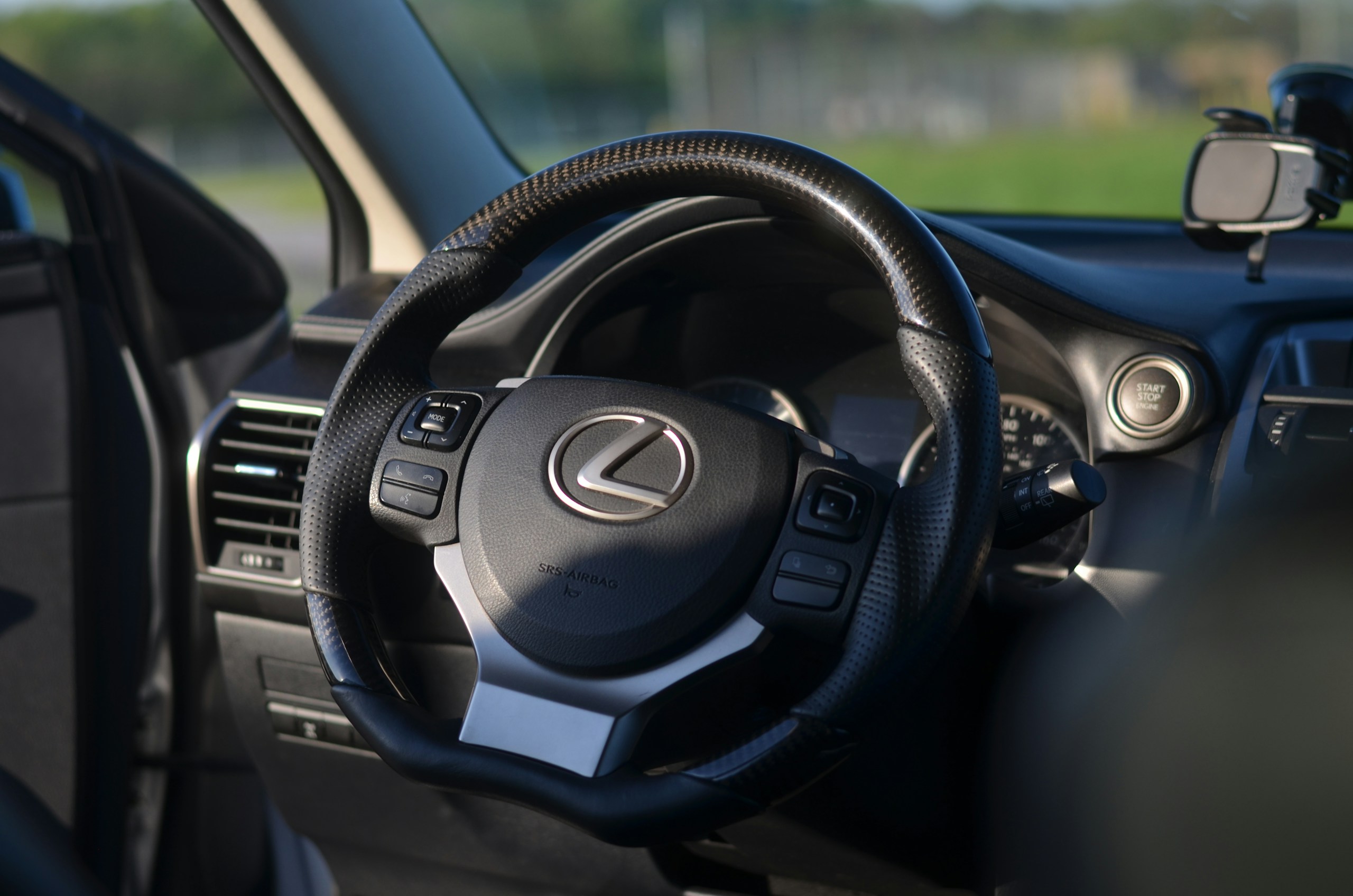
A vehicle’s airbags are supposed to protect its occupants during a crash. But when an airbag contains a defective inflator, the very equipment intended to save lives can create a serious danger.
Toyota announced a new safety recall in November 2026 affecting approximately 314,000 Toyota and Lexus vehicles in the United States because of potentially dangerous Takata airbag inflators.
If you own a Toyota or Lexus, you should check whether your vehicle is included, even if you have not received a recall notice.
What Is the Problem With Takata Airbags?
Certain Takata airbag inflators contain propellant that can deteriorate over time, particularly when exposed to specific temperature and humidity conditions.
If the inflator ruptures during airbag deployment, metal fragments can be propelled into the passenger compartment.
This can cause serious injuries or death.
The latest recall involves certain front passenger airbags.
How Do You Know Whether Your Vehicle Is Recalled?
Do not assume your vehicle is safe simply because you have not received a letter.
Toyota has indicated that affected owners will be notified by mid-January 2027.
You can check your vehicle immediately by visiting:
NHTSA’s Official Recall Lookup
Enter your Vehicle Identification Number (VIN) or other supported vehicle information.
You can also visit Toyota’s Recall Website.
Your VIN is generally located on the driver’s side dashboard near the windshield or on the driver’s door frame.
Will the Repair Cost Anything?
No. Toyota has stated that affected Toyota and Lexus dealers will replace the front passenger airbag inflator or airbag assembly, depending on the model, free of charge.
If your vehicle is covered, contact an authorized dealership to arrange the repair.
Ask whether parts are available and whether Toyota has issued any specific instructions about continued vehicle use or passenger seating.
What If the Dealership Cannot Repair Your Vehicle?
Document every attempt to schedule the repair.
Keep copies of dealership communications, service appointments, repair orders, and notices that parts are unavailable.
If a safety defect cannot be repaired promptly, additional consumer remedies may be available depending on the circumstances.
State lemon laws and federal warranty protections may apply to certain defective vehicles, but a recall alone does not automatically establish a lemon law claim or entitle every owner to a repurchase.
What If Your Vehicle Has Already Been Repaired?
A previous recall repair does not necessarily establish whether the vehicle is covered by a later recall.
Check your VIN again and ask the manufacturer whether additional work is required.
Your Safety Comes First
Consumers should not ignore an open safety recall involving potentially defective airbags.
Check your VIN, follow the manufacturer’s safety instructions, and arrange the free repair as soon as possible.
If your Toyota or Lexus has experienced repeated safety defects, unsuccessful warranty repairs, or significant periods out of service, Ginsburg Law Group, P.C. can help evaluate whether additional legal protections may apply.
A recalled vehicle deserves prompt attention, and consumers deserve clear answers about their safety and repair rights.