

If your phone rings constantly with calls about fake insurance offers, debt relief programs, extended warranties, or suspicious financial products, you are not alone. Illegal robocalls remain a frustrating problem for American consumers.
Federal regulators are taking additional steps to restrict certain telecommunications companies’ access to U.S. telephone numbers. Although these measures are aimed at telephone providers rather than individual callers, they could help reduce opportunities for illegal robocalling.
What Is the FCC Changing?
The Federal Communications Commission has considered restrictions preventing China Mobile, China Telecom, China Unicom, and certain internet-based telephone providers using equipment associated with national security risks, including Huawei and ZTE, from obtaining direct access to U.S. telephone numbers.
Direct access allows qualifying telecommunications providers to obtain telephone numbers without going through another provider.
The FCC’s objective is to strengthen oversight of the telephone network and reduce opportunities for bad actors to exploit the system.
Importantly, these restrictions concern particular providers and network arrangements. They do not mean every call originating overseas is illegal or that all unwanted calls will disappear.
Why Does This Matter to Consumers?
Illegal callers frequently use technology that makes their calls appear to originate from familiar or local telephone numbers.
Some callers use spoofing, which allows the number displayed on your caller ID to differ from the number actually originating the call.
Other companies use complicated networks of call centers, lead generators, marketing companies, and telephone providers.
This can make identifying the company responsible for a call particularly difficult.
Stronger oversight of telephone number access may help regulators trace suspicious calling activity and limit opportunities for abuse.
You May Already Have Rights Under the TCPA
The Telephone Consumer Protection Act (TCPA) provides important protections against certain unwanted telephone calls and text messages.
Depending on the circumstances, potential violations may involve:
- Telemarketing calls to numbers protected by the National Do Not Call Registry.
- Certain prerecorded or artificial-voice calls made without legally sufficient consent.
- Telemarketing calls made after a consumer has revoked consent or requested that the company stop calling.
- Calls or texts that violate applicable consent, identification, or calling-hour requirements.
Not every unwanted call violates the TCPA. The applicable rules depend on the technology used, the purpose of the call, the number called, consent, and other circumstances.
What If You Answer a Robocall to Find Out Who Is Calling?
Consumers sometimes need to answer a suspicious call to identify the company responsible.
Simply answering a telephone call does not automatically mean you have consented to future telemarketing.
Likewise, asking a caller to identify the company or explain why it is calling does not, by itself, necessarily authorize additional calls.
However, consumers should avoid providing sensitive financial information, account passwords, Social Security numbers, or verification codes to unknown callers.
What Should You Do About Repeated Unwanted Calls?
Keep a record of the calls, including dates, times, displayed numbers, voicemail messages, and the identity of the business being promoted.
If you want the calls to stop, clearly tell the caller to place your number on its internal do-not-call list. Document that request.
You can also register an eligible number at DoNotCall.gov.
Can You Recover Money for Illegal Calls?
Some TCPA violations may permit consumers to seek statutory damages of $500 per violation, potentially increased to $1,500 for willful or knowing violations.
Those amounts are not automatic. Eligibility depends on the particular statutory provision, evidence, and circumstances.
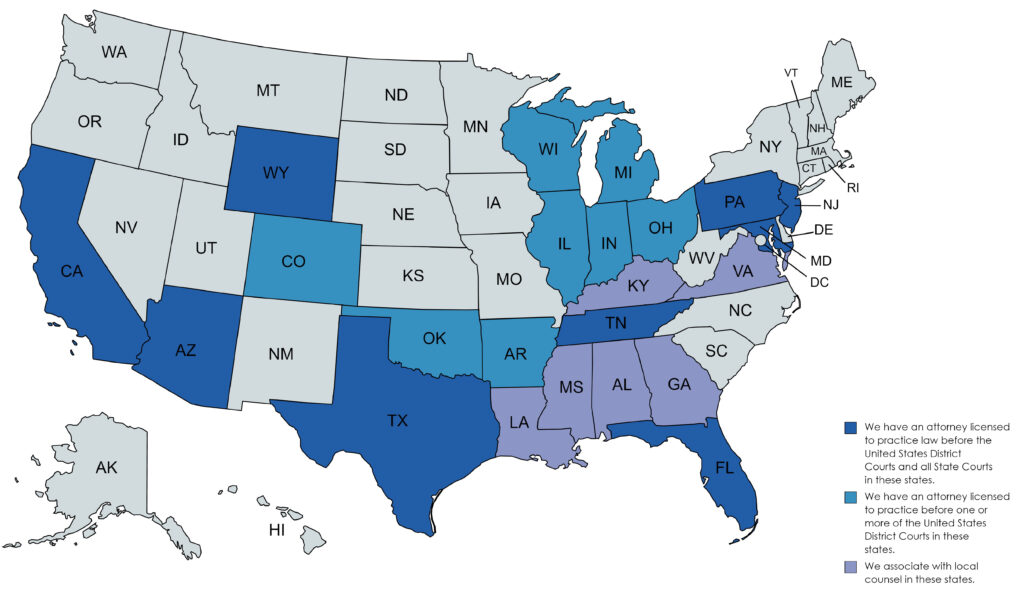
At Ginsburg Law Group, P.C., we help consumers evaluate unwanted telephone calls and text messages and determine whether their rights may have been violated.
If you are receiving repeated unwanted calls or prerecorded messages, preserve your call records and contact Ginsburg Law Group to discuss your options.